Where Israel's Netanyahu and Gallant Will Never Visit Fearing ICC Arrest Warrants
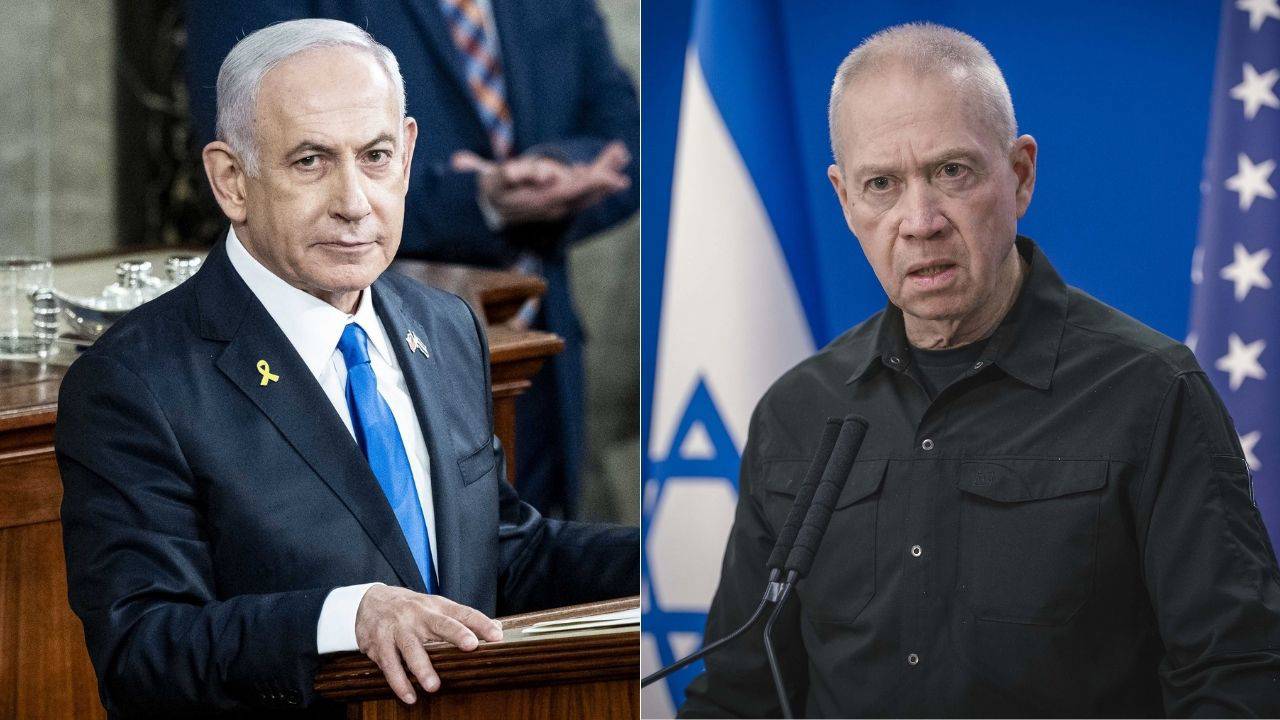
Israeli Prime Minister Benjamin Netanyahu and former Defense Minister Yoav Gallant face an unprecedented challenge following the International Criminal Court’s (ICC) issuance of arrest warrants against them for war crimes and crimes against humanity in Gaza.
The warrants, issued on Thursday, mark a pivotal moment in international justice and restrict their travel to 124 countries that are signatories to the Rome Statute, obligating them to cooperate with ICC rulings.
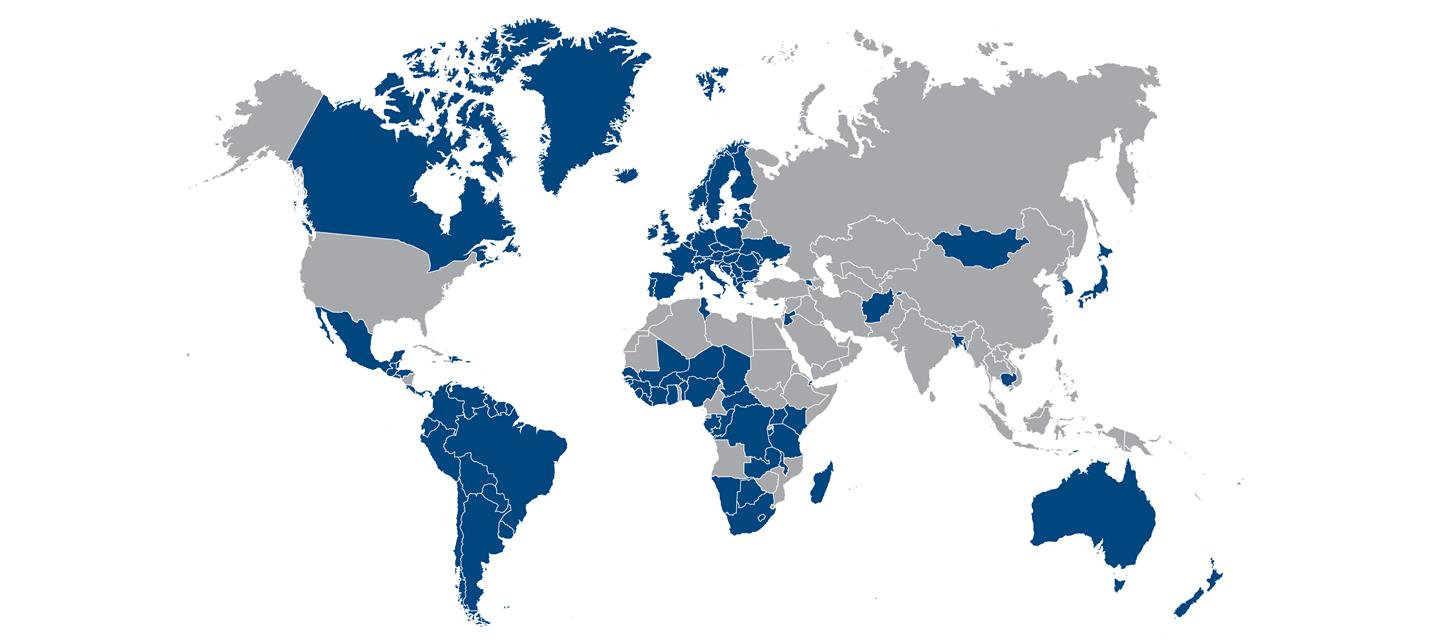
ICC Jurisdiction: A Global Map of Compliance
The map shown above highlights countries bound to enforce ICC rulings, including most of Western Europe, South America, and regions of Africa and Asia. Nations like France, Germany, the United Kingdom, Brazil, South Africa, and Japan are among the many where Netanyahu and Gallant risk immediate arrest if they set foot on their soil.
Global Responses to the ICC Warrants
The ICC's decision has drawn several supportive stances:
Netherlands: Dutch Foreign Minister Caspar Veldkamp stated that the Netherlands is prepared to execute the ICC's arrest orders, becoming the first country to show firm commitment to international law.
Belgium: Deputy Prime Minister Petra De Sutter called for Europe to impose economic sanctions on Israel, suspend the Association Agreement, and uphold the arrest warrants, underscoring the gravity of the crimes.
Ireland: Deputy Prime Minister Michael Martin emphasized strong backing for the ICC’s independence and called for immediate international action to address the humanitarian crisis in Gaza.
France: While affirming respect for ICC principles, France refrained from specifying whether it would detain Netanyahu or Gallant if they traveled there, citing what it described as 'complex legal considerations'.
United Kingdom: A spokesperson for the UK Prime Minister stated that Britain respects the ICC's independence, without elaborating on potential actions.
South Africa: A key figure in ICC compliance, South Africa, already pursuing legal action against Israel for genocide in Gaza, is expected to act decisively.
Broader Implications and Challenges
Notably, some countries are not obligated to enforce ICC rulings. The United States and Israel, both non-signatories of the Rome Statute, have openly opposed ICC jurisdiction. However, global human rights organizations, such as Human Rights Watch, stress that the effectiveness of the ICC will depend on nations' willingness to enforce justice without bias.
Francesca Albanese, UN Special Rapporteur on Palestinian human rights, urged the international community to uphold the "flame of accountability" and ensure justice for victims. Human Rights Watch echoed similar sentiments, stating that the warrants should prompt a renewed push for addressing atrocities and safeguarding human rights globally.
Israel’s incoming Mossad chief, Roman Gofman, is known for backing the occupation of the Gaza Strip and for using an Israeli teenager in an intelligence operation. He was approved on Sunday by Israel’s advisory committee on senior appointments and is set to begin a five-year term in June, replacing David Barnea.
A nine-year-old girl, born after years of struggle, finally returned to school in a tent built over Gaza’s ruins. Moments later, a single sniper’s bullet ended her life, turning a place of learning into a scene of loss and grief.
Nickolay Mladenov claimed that hundreds of aid trucks entered the Gaza Strip on Thursday, attributing the development to the efforts of the so-called Trump “Board of Peace.” Palestinians, however, disputed the claim, asserting that Israel continues to impose restrictions on aid entry despite the ceasefire.
 The map shown above highlights countries bound to enforce ICC rulings, including most of Western Europe, South America, and regions of Africa and Asia. Nations like France, Germany, the United Kingdom, Brazil, South Africa, and Japan are among the many where Netanyahu and Gallant risk immediate arrest if they set foot on their soil.