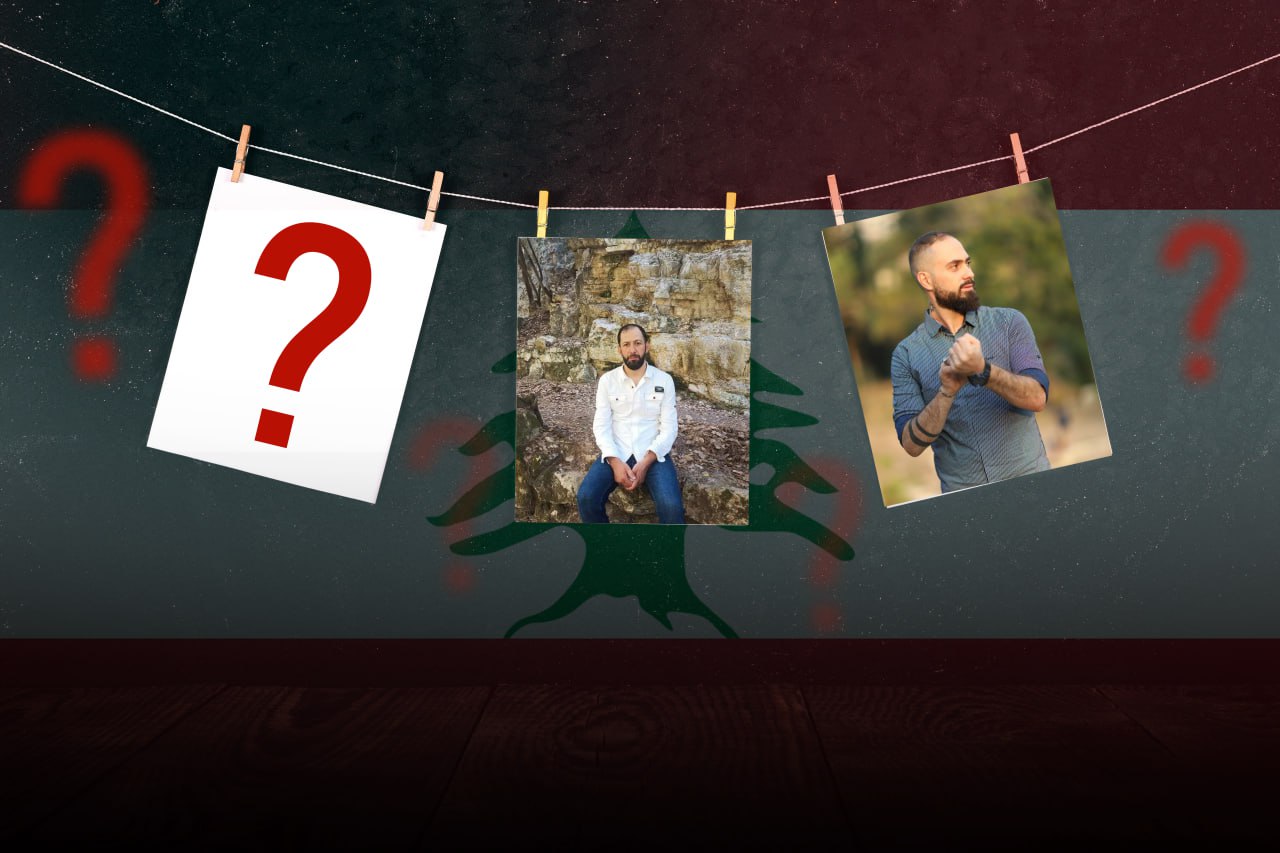
More than a year after Israel’s 2024 war on Lebanon, new evidence confirms that dozens of Lebanese civilians who vanished near the border have been forcibly disappeared and unlawfully detained in Israeli prisons. Among them is Lebanese nurse Hassan Youssef Qashqoush, whose fate remained unknown until a recently released Palestinian detainee told Quds News Network (QNN) that he had met him inside Israeli prisons. The revelation sheds light on what human rights defenders call a systematic policy of abduction and concealment targeting Lebanese civilians and resistance fighters alike, in violation of international law and the Geneva Conventions.
Testimony from a Recently Freed Palestinian Detainee
In an exclusive interview with QNN, former Palestinian detainee Ghassan al-Sammouni said that he met Hassan Qashqoush inside Ofer Prison, west of Ramallah, in October 2024, months after the Israeli invasion of southern Lebanon. “Hassan told me he was abducted from the border town of Aita al-Shaab while working as a nurse at a hospital. He was not involved in any military activity,” al-Sammouni recalled. According to his testimony, the two detainees remained together for nearly a year before being transferred to Nafha Prison in the Negev in August 2025, where they were held in harsh conditions with dozens of others. Al-Sammouni was later moved to Ramon Prison ahead of his release, while Qashqoush remained in Nafha. “He endured severe physical and psychological torture, total isolation, and had no contact with the outside world,” al-Sammouni said. “He constantly spoke of his wife and children and hoped someone would tell them he’s alive.” After his release, al-Sammouni carried Qashqoush’s message to the world, urging Lebanese authorities and international organizations to act for his release and that of others who remain disappeared.
A Pattern of Enforced Disappearance
According to information reviewed by QNN and Lebanese rights groups, at least 20 Lebanese citizens are believed to be held in Israeli prisons under secret or undeclared detention. They fall into two main categories:
- Before the November 2024 ceasefire: At least eleven Lebanese individuals, including Hezbollah fighters, were captured during ground battles in southern Lebanon. Under international law, they should have been registered as prisoners of war and released after hostilities ended.
- After the ceasefire: At least nine civilians were abducted while returning to their border villages or tending to livestock in areas still under Israeli occupation.
Among the missing is Captain Imad Fadel Amhaz, a merchant ship captain abducted from his home in Batroun, northern Lebanon, during an Israeli commando raid on November 1, 2024. His fate remains unknown. 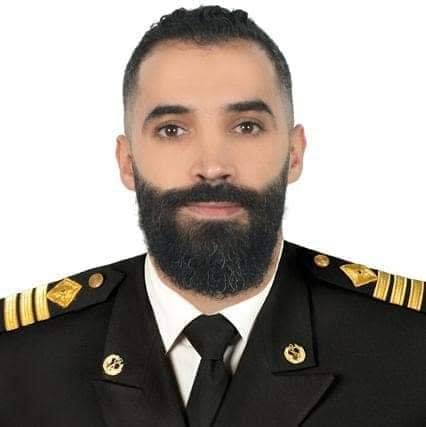
Ongoing Israeli Aggression Despite Ceasefire
The disappearances continue amid daily Israeli military raids along the southern border. On October 30, 2025, Israeli forces advanced nearly 1,000 meters into the Lebanese town of Blida, stormed the municipal building, and killed municipal employee Ibrahim Osama while he was asleep. The forces withdrew after two hours, leaving destruction behind. Residents told QNN that Israel’s raids and restrictions on rubble removal prevent families from locating the missing, reinforcing a climate of fear and displacement that hinders the return of life to the region.
Rights Group: Israel Uses Lebanese Detainees as Political Bargaining Tools
Speaking to QNN, Ahmad Taleb, head of the Lebanese Association for Prisoners and Released Detainees, said the real number of Lebanese abductees in Israel may be even higher than reported. “Israel abducted Lebanese citizens, healthy, wounded, and even deceased, without acknowledgment,” Taleb said. “They use these people as bargaining tools to pressure both the Lebanese resistance and the state.” Taleb criticized the inaction of the Lebanese government, noting that families have received no concrete support or official inquiry into their relatives’ fates. He revealed that the association, in coordination with Palestinian organizations, is preparing to launch an international campaign on Human Rights Day to demand that Israel disclose the names, conditions, and locations of all Lebanese and Palestinian hostages held in secret prisons. “We’re calling on humanitarian organizations and legal bodies to intervene,” Taleb told QNN. “The silence surrounding these enforced disappearances only emboldens Israel to continue its violations.” He added that Hezbollah assists the detainees’ families socially and financially, emphasizing that international pressure remains essential to end Israel’s policy of concealed detentions. The case of Hassan Youssef Qashqoush has become a symbol of a larger issue: Israel’s use of enforced disappearance as a weapon of control. For the families of those missing, every new testimony brings both relief and pain: confirmation that their loved ones are alive, but still beyond reach.
As Lebanon’s southern border remains under attack and the international community stays largely silent, the stories of these disappeared men and women continue to expose a dark and unlawful side of Israel’s detention system; one that operates outside transparency, accountability, or human decency.