US Envoy Witkoff: ‘Humanitarian Conditions on the Ground in Gaza Are Dangerous’

US Envoy Witkoff: ‘Humanitarian Conditions on the Ground in Gaza Are Dangerous’

US Envoy Witkoff: ‘Humanitarian Conditions on the Ground in Gaza Are Dangerous’
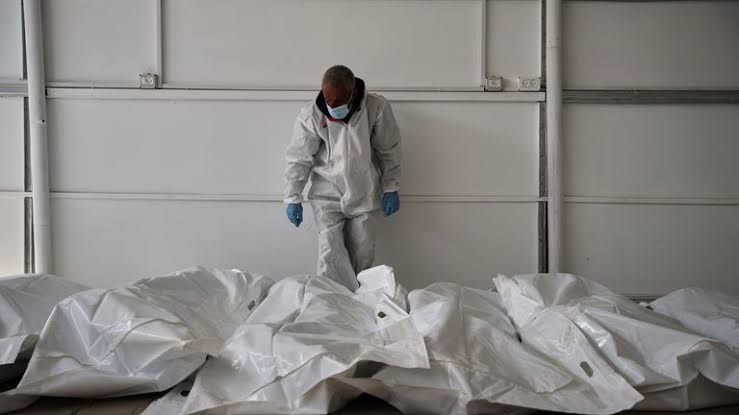
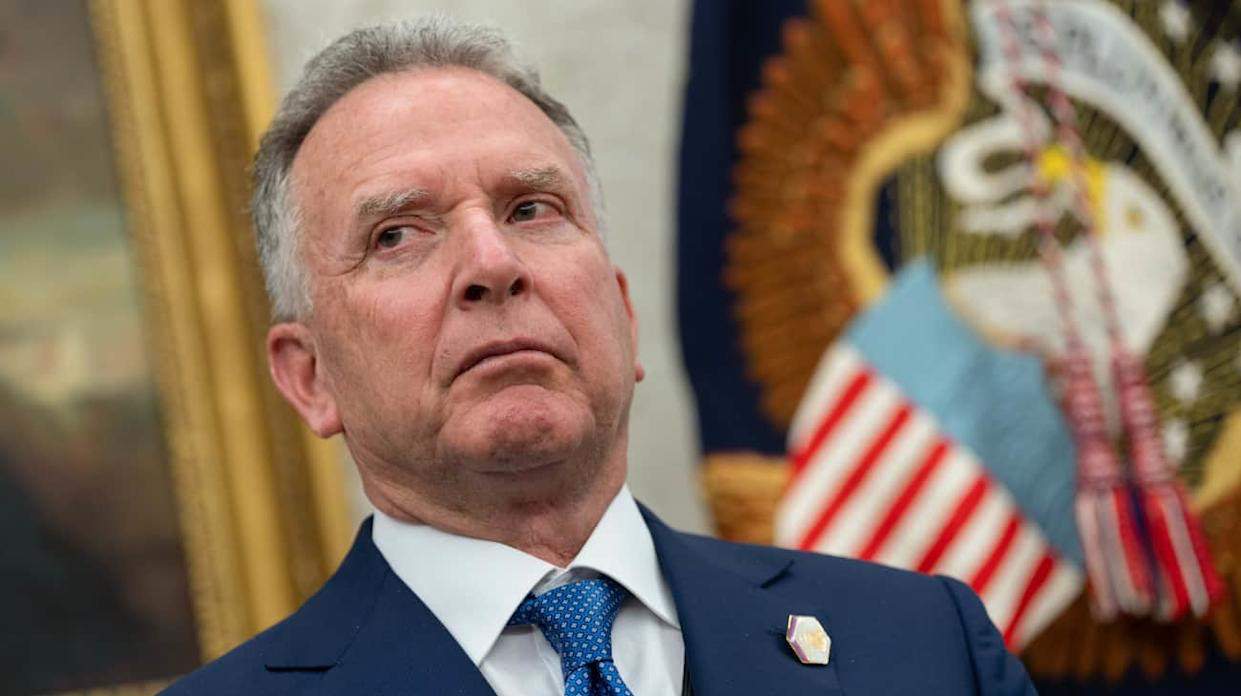
Washington (Quds News Network)- Steve Witkoff, the US President Trump’s special envoy to the Middle East, said he believes "everyone is concerned about the humanitarian conditions in Gaza," as Israel’s complete blockade of aid to the enclave continues into its third month amid escalating and deadly attacks. “That said, it is a very complicated situation there,” he said in an interview with ABC News. “I think the issue now is how do we logistically get all of those [aid] trucks into Gaza, how do we set up the aid stations.” Washington has been working on many initiatives, including mobile kitchens that are going to be sent into the Palestinian enclave, Witkoff said. Israel has said it will begin to allow more aid trucks to enter the Strip, he claimed. “But it is complicated. It is logistically complicated. And the conditions on the ground are dangerous. There are still many unexploded shells all over the place. So we have to be mindful of that.” “But that said, we do not want to see a humanitarian crisis, and we will not allow it to occur on President Trump’s watch.” On the final day of his Gulf tour, the US president told reporters in Abu Dhabi: “We’re looking at Gaza. And we’re going to get that taken care of. A lot of people are starving.” Since March 2, Israel has maintained the closure of Gaza’s main crossings, cutting off food, medical and humanitarian supplies, leading to an unprecedented deterioration of humanitarian conditions, according to reports by human rights organisations who have accused it of using starvation as a weapon of war against Palestinains. Israel also resumed its genocide in Gaza on March 18 after violating the ceasefire agreement signed in January, killing over 3,100 Palestinians and wounding more than 8,900—mostly children and women, according the Palestinian Health Ministry. The Integrated Food Security Phase Classification (IPC) report, issued last week, warned that almost a quarter of the civilian population would face catastrophic levels of food insecurity (IPC Phase Five) in the coming months. The Israeli military said on Saturday extensive attacks have been launched in the “opening moves” of operation “Gideon’s Chariots”, which will see forces “seize controlled areas in the Gaza Strip”. Hamas last week freed Edan Alexander, the last living Israeli-American held, after direct engagement with the Trump administration. Washington regarding Alexander’s release, Taher al-Nunu, a senior Hamas official, said the group was “awaiting and expecting the US administration to exert further pressure” on Israel “to open the crossings and allow the immediate entry of humanitarian aid”. Israel has put a plan to take control of the humanitarian assistance distribution through a series of hubs in Gaza run by private contractors and protected by Israeli forces. The US has backed the plan. The US-backed Gaza Humanitarian Foundation, which has been set up to manage the scheme, announced on Wednesday that it would begin operating by the end of the month. Aid agencies, however, have warned that any delay will cost lives, and that cases of acute malnutrition, particularly among young children, are soaring. The UN and all aid organizations operating in Gaza jointly announced they would not cooperate with the Israeli-US plan because it “contravenes fundamental humanitarian principles and appears designed to reinforce control over life-sustaining items as a pressure tactic — as part of a military strategy. It is dangerous, driving civilians into militarized zones to collect rations, threatening lives, including those of humanitarian workers, while further entrenching forced displacement.”