Trump Suggests Blair, One of the West’s Most Corrupted Leaders, to Rule Gaza After Israeli Destruction
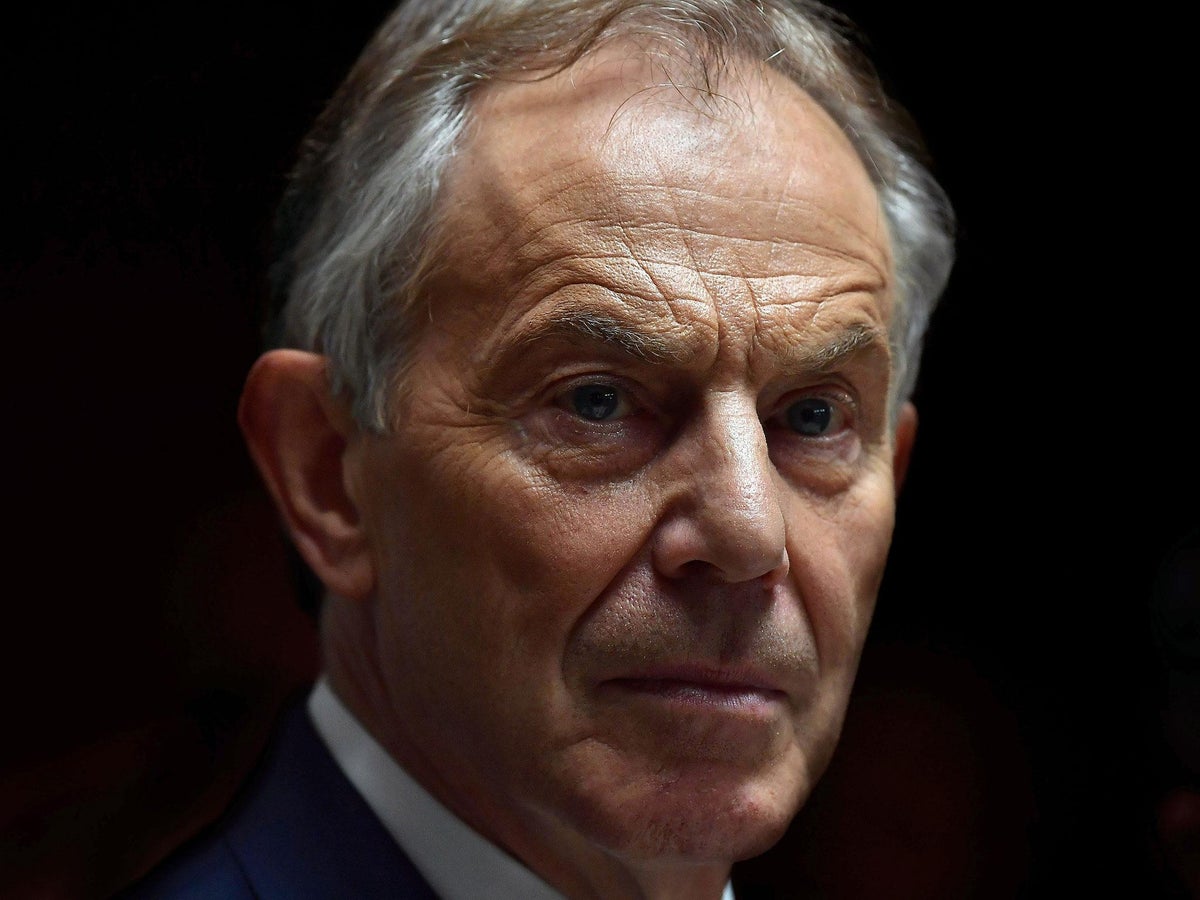
Israeli media reports that the United States is working on a plan to appoint former British Prime Minister Tony Blair to lead an interim administration in Gaza. According to Haaretz, the plan envisions Blair overseeing reconstruction efforts with the support of international forces stationed at Gaza’s borders.
A senior Arab political source told the paper that the US proposal was already shared with Arab leaders.
So far, Washington and Tel Aviv have not commented on the report. Yet the idea of Blair managing Gaza has already sparked debate. Many recall that Blair is one of the most infamous political figures of the past two decades. His name is tied to multiple scandals that left deep scars on British politics and the wider world.
Below are the key scandals that continue to haunt Blair and could shadow any role in Gaza.
The Iraq War: War Crimes Pile Up
In 2003, Blair stood shoulder to shoulder with US President George W. Bush and pushed the United Kingdom into the invasion of Iraq. He claimed that Saddam Hussein had weapons of mass destruction and posed a major threat. He also linked Iraq to global “terrorism” after the 9/11 attacks.
The promised WMDs never appeared. Later evidence showed that intelligence was weak, exaggerated, or misrepresented. Critics accused Blair of misleading Parliament and the public.
In 2016, the Chilcot Inquiry delivered a devastating verdict. The 2.6 million-word report concluded that the case for war was overstated, peaceful options were ignored, and planning for the aftermath was “wholly inadequate.”
The cost of the war was catastrophic. More than 200,000 Iraqis were killed, according to academic studies. Millions of Iraqis were displaced. This remains Blair’s biggest political stain. Protesters still brand him a “liar” and “war criminal.” Calls for his prosecution under international law have not faded.
The Cash-for-Honours Scandal
In 2006, Blair’s Labour government was rocked by the “loans for peerages” scandal. Media revealed that wealthy businessmen secretly lent millions to the Labour Party. Soon after, some of them were nominated for lifetime seats in the House of Lords.
This raised suspicion that political honours were effectively being sold. Police launched a major criminal probe. Blair was questioned three times, making him the first sitting British prime minister to face police interviews in such an investigation.
He denied wrongdoing. Prosecutors said there was not enough evidence to charge him. But the damage was done. The scandal fueled the perception that Blair’s government had embraced the very “sleaze” he once promised to clean up.
Business Deals and Conflicts of Interest
After leaving Downing Street in 2007, Blair quickly built a multimillion-pound fortune. He signed consultancy contracts, gave speeches, and advised banks and governments.
One of his most lucrative deals was with J.P. Morgan, reportedly worth £2 million a year. He also worked with governments with poor human rights records, including Kazakhstan. Critics said these choices showed that profit mattered more than principles.
Documents later revealed that Blair lobbied PA officials in the occupied West Bank to grant a mobile phone license to a company connected to J.P. Morgan clients. At the same time, he was serving as the Middle East Quartet’s peace envoy.
The overlap raised tough questions: was Blair advancing peace, or his own business network?
“Sleaze” and the Irvine Renovation
Blair rose to power in 1997 by promising to clean up politics after years of Conservative scandals. Yet his government soon faced its own embarrassments.
A key case involved Lord Chancellor Derry Irvine, Blair’s mentor. Irvine spent about £650,000 of taxpayer money on refurbishing his official residence. The extravagance outraged the public.
While Blair himself did not order the spending, it became a symbol of hypocrisy. Labour had campaigned as the party of ordinary people. Instead, critics saw waste and elitism. For Blair, it was another blow to the image of a “new politics.”
The Tony Blair Faith Foundation
In 2008, Blair launched the Tony Blair Faith Foundation. It aimed to promote interfaith dialogue and tackle extremism. On paper, it looked like a noble project. In practice, it attracted skepticism.
Muslims in particular saw Blair’s role as hollow, given the devastation of the Iraq War. Critics argued that the foundation served more as a branding exercise than genuine bridge-building. Questions also surfaced about funding sources and political motives.
The foundation did run education and youth programs. Yet it never escaped the shadow of Blair’s foreign policy record. To many, it looked like reputation management rather than reconciliation.
What Blair’s Record Means for Gaza
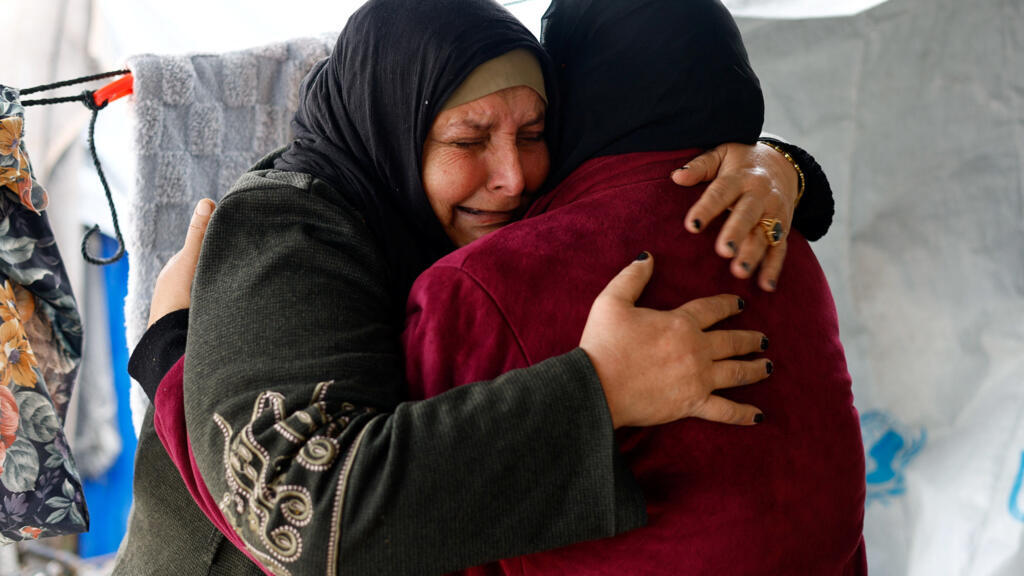
If Blair is appointed to head Gaza’s reconstruction, his past will follow him. For Palestinians, his role in the Iraq War and his close ties to Washington undermine any claim of neutrality. His financial links and lobbying history raise doubts about whether he would prioritize people over profits.
Blair’s critics in Britain and abroad already question his credibility as a peace broker. Protest movements still rally against him more than 15 years after he left office.
The idea of putting such acorruptef figure in charge of Gaza could ignite more controversy than stability. For many Palestinians, Blair does not represent hope but the failures of Western intervention.