Ramallah (QNN)- The Palestinian movement Fatah concluded its 8th General Congress after internal elections.
The congress combined voting in Ramallah with three external arenas in Gaza, Cairo, and Beirut.
Officials announced a turnout rate of 94.64%, as members voted to select 18 members of the Central Committee and 80 members of the Revolutionary Council.
Detained Fatah leader Marwan Barghouti once again topped the Central Committee race, securing 1,879 votes and maintaining his political weight inside the movement despite his continued detention in Israeli prisons.
He was followed closely by Maj. Gen. Majed Faraj, head of the PA's General Intelligence, who received 1,861 votes.
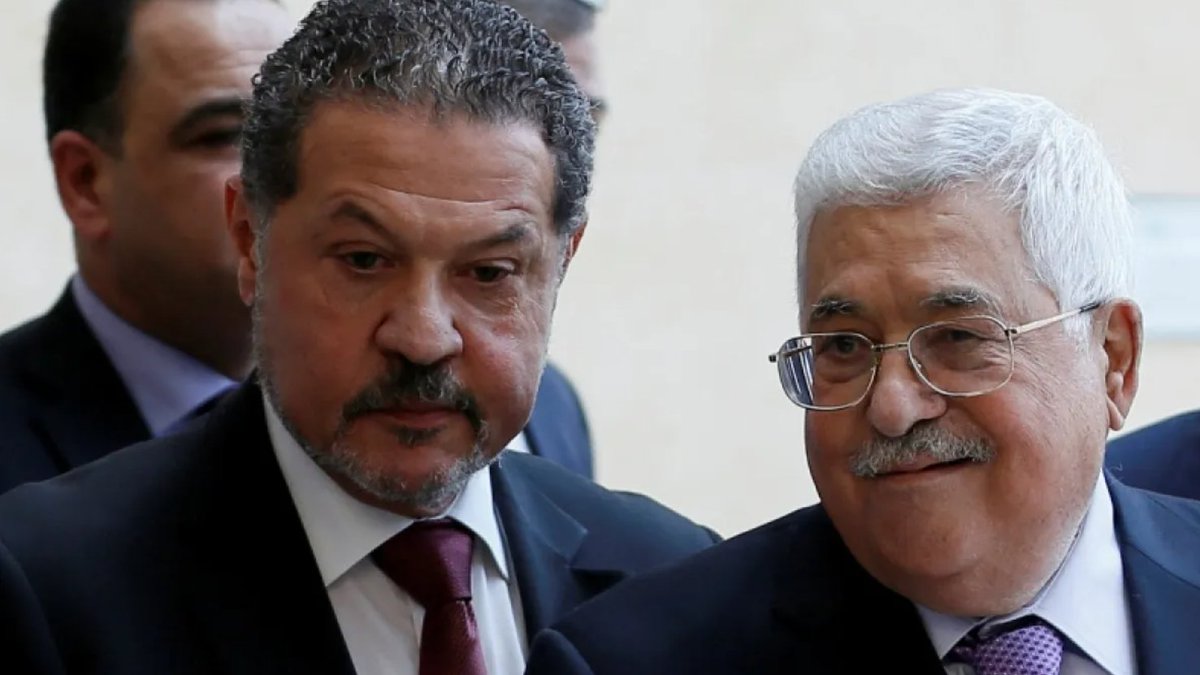
Other senior leaders also secured strong results, including Jibril Rajoub, Hussein al-Sheikh, Mahmoud al-Aloul, and Tawfiq Tirawi, alongside political figures such as Leila Ghannam and controversial figures like Yasser Abbas, the son of President Mahmoud Abbas.
The vote also introduced new figures from Gaza and the prisoner movement, including Taysir al-Bardini, Zakaria Zubeidi, and Eyad Safi, marking a clear entry of resistance-linked figures into the leadership.
Gaza’s representation changed significantly. Only one of its previous Central Committee members retained his seat, while three new members entered the body. Overall Gaza representation dropped from five members to four.
Husam Zomlot, the Palestinian ambassador to the UK, failed to win despite his strong popularity and public profile, especially during the Israeli war on Gaza, as he strongly defended Palestinians in many forums, protests, and international events.
Abbas had pledged during the emergency Arab League summit held in Cairo on March 4 to restructure the leadership frameworks of the Palestinian state, inject new blood into the Palestine Liberation Organization, Fatah, and state institutions, and he has since carried out administrative changes that included Palestinian security agencies.
Arab and international parties are calling for reforms within the Palestinian Authority amid criticism over political stagnation, a lack of democratic practice, corruption, and a deficit of political legitimacy, as part of preparations to take over the administration of the Gaza Strip after the Israeli genocide.
Last Thursday, Fatah opened its 8th Congress in Ramallah in the occupied West Bank, marking its first such meeting in 10 years. The congress comes at a critical stage, coinciding with the aftermath of the genocide in Gaza and escalating settlement expansion in the occupied West Bank and occupied Jerusalem.
Secretary of the Fatah Central Committee Jibril Rajoub said the congress is “the most important in the history of the Palestinian national movement,” stressing that it is being held under “the most dangerous challenges” facing the Palestinian struggle.