Occupied Palestine (QNN)- Israel plans to inject $730 million into its state propaganda apparatus as it faces a deepening international isolation and reputational crisis linked to the genocide in Gaza and wider regional assaults.
The funding goes to the national public diplomacy directorate, known in Hebrew as Hasbara, which manages Israel’s global propaganda and media strategy. The plan appeared in the national budget passed in March and was first reported by The Jerusalem Post.
The scale of the investment marks a sharp escalation. Israel allocated $150 million for the same unit the previous year. That figure had already surged to around 20 times pre-2023 levels, showing a steady expansion in state-funded messaging efforts.
Officials in Israel describe the push as an effort to “improve international standing.” However, the timing reflects growing global criticism of Israel’s military attacks and mounting diplomatic isolation across multiple regions, including key Western allies.
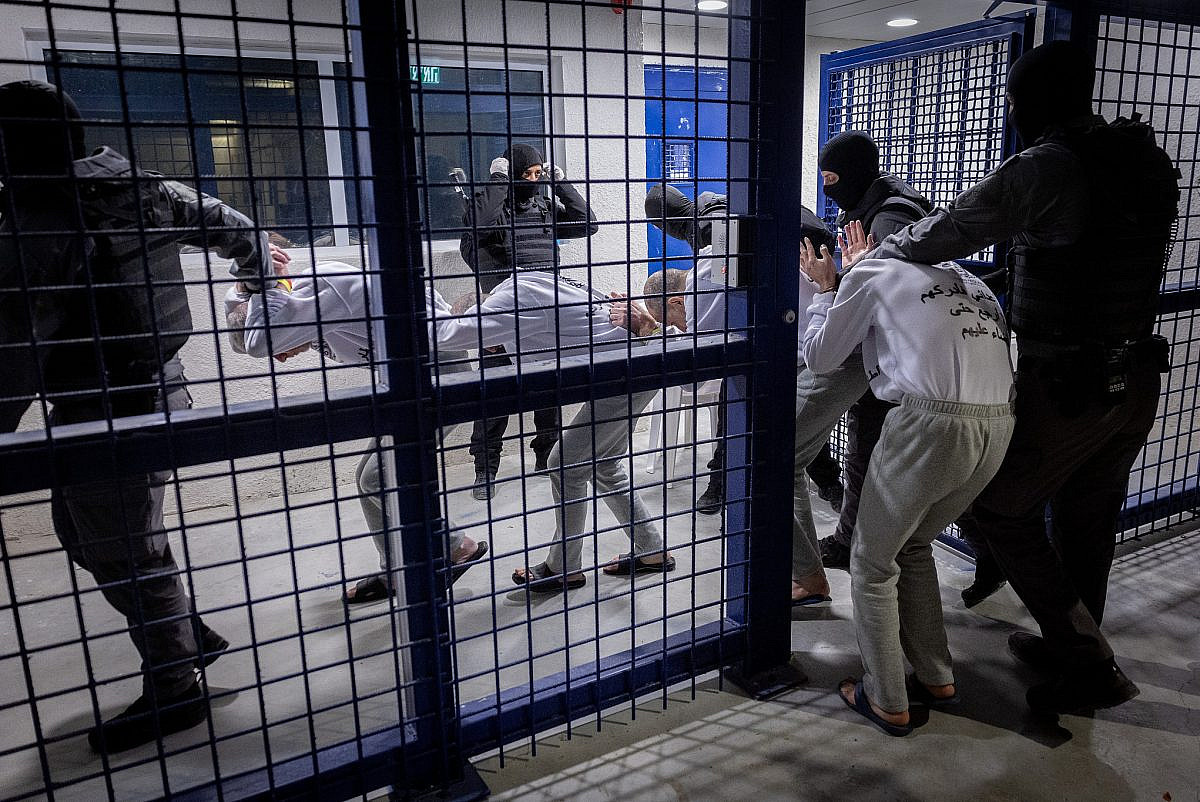
Reports and international bodies have stated that Israel committed genocide in the Gaza Strip, where it killed and injured more than 250,000 Palestinians since October 2023, alongside mass displacement and severe shortages of food and basic supplies.
Israel also has been enforcing an apartheid system in the occupied West Bank, alongside repeated military escalations in surrounding countries.
The reputational pressure has extended beyond the Middle East. Israel has also faced renewed scrutiny over historical intelligence links involving Jeffrey Epstein.
At the legal level, Israeli Prime Minister Benjamin Netanyahu remains subject to an International Criminal Court arrest warrant over war crimes and crimes against humanity in Gaza, while Israel itself faces genocide proceedings at the International Court of Justice.
The United States, Israel’s closest ally, has also seen a major shift in public opinion. A Pew Research Center survey published in April found that 60 percent of Americans now hold an unfavourable view of Israel, while favourable views dropped to 37 percent.
The decline spans political and religious groups. Among Republicans under 50, a majority now express negative views. Support has also weakened among Black Protestants, Catholics, and religiously unaffiliated Americans. Even among American Jews, support has declined to below two-thirds.
Alongside the budget increase, Israel has expanded its broader messaging infrastructure. Foreign Minister Gideon Sa’ar has overseen the creation of new units focused on international narrative control and strategic communications.
The government has also invested heavily in digital influence campaigns, including a $50 million social media advertising effort across major platforms. Around $40 million has gone into hosting foreign delegations, including politicians, religious leaders, influencers, and academic figures.
A centralized “media war room” now tracks global coverage of Israel in real time, monitoring thousands of daily references across international outlets.
Israel has also signed a $1.5 million monthly contract with a firm linked to former Trump campaign strategist Brad Parscale, aimed at deploying artificial intelligence tools for online messaging campaigns.
Additional funding has gone into outreach to evangelical networks and influencer marketing through private public relations firms.