Gaza (QNN)- A US envoy held three meetings with Hamas leaders in Cairo over two days, a source told Quds News Network. The talks aimed to push Hamas toward concessions despite ongoing Israeli violations of Trump's ceasefire agreement.
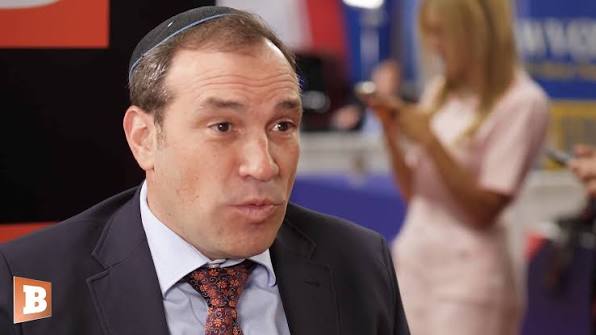
The envoy, rabbi Aryeh Lightstone, is closely tied to past US policies that are biased toward Israel. He previously served as a senior advisor within the team of Jared Kushner and played a central role in shaping the 'Abraham Accords', normalization deals that aimed to sideline Palestinian rights. In early 2026, Lightstone took a leading role in the newly formed “Board of Peace,” chaired by Donald Trump, a body many analysts question for its neutrality.
Hamas Maintains Clear Conditions
According to the source, Hamas maintained a consistent position throughout the Cairo meetings. The movement insisted that Israel must first implement the initial phase of the agreement before any further negotiations move forward.
Hamas leaders stressed the urgent need to allow humanitarian aid into Gaza, halt ongoing Israeli attacks, and end Israeli violations on the ground. They stated that these demands are essential steps to stabilize conditions and build trust for any future phase of negotiations.
Last Friday, Palestinian factions delivered their formal response to mediators regarding a proposal presented by Nikolay Mladenov. The response emphasized a unified stance: implimenting the first phase remains the priority before discussing any second phase.
The factions outlined six core demands. These include the full implementation of the first phase, enforcement of the humanitarian protocol, and the entry of hundreds of thousands of mobile homes and tents to shelter displaced families. They also called for immediate reconstruction efforts targeting hospitals and bakeries, sectors critical for survival in Gaza.
A central condition focused on security. The factions demanded the dismantling of Israeli-backed armed groups. They argued that removing these groups would help restore internal stability and prevent attacks on Palestinian civilians.
Hamas previously described the current negotiation environment as part of a long-standing Israeli approach based on “negotiating under fire.” This strategy, they said, seeks to pressure Palestinian factions into concessions while military operations continue.
Despite ongoing talks and a US-mediated ceasefire agreement, Israeli forces have continued strikes and gunfire across Gaza. Israeli attacks have killed more than 820 Palestinians and injured at least 2,301 others in recent months alone.
Israel has committed more than 2,400 violations of the ceasefire agreement during the first half of 2026, according to the Government Media Office. These violations include restricting humanitarian aid and expanding military control zones.
Israeli media reported that the so-called “yellow line” has expanded to cover 59% of Gaza’s total area. Analysts view this move as a clear breach of the agreement, further complicating efforts to maintain calm.
Humanitarian organizations and field observers continue to warn that restrictions on aid entry violate the humanitarian protocol attached to the ceasefire deal. These limitations have deepened the crisis for civilians already facing severe shortages of food, shelter, and medical care.
The current agreement followed nearly two years of an Israeli genocide. The genocide caused massive destruction across Gaza and placed immense pressure on its civilian population.
More than 72,000 Palestinians have been killed and over 172,000 injured since the genocide began. The destruction has affected around 90% of Gaza’s civilian infrastructure, including homes, hospitals, and essential services.