Occupied Palestine (QNN)- Israeli occupation prisons have restricted Palestinian detainees’ access to essential medical equipment—such as hearing aid batteries, eyeglasses, and crutches, since the start of the Gaza genocide, under orders from far-right National Security Minister Itamar Ben-Gvir.
Ben-Gvir ordered that families of detainees be prevented from depositing funds used to purchase such equipment.
Under prewar procedures, medical equipment for detainees was purchased by the prison service using funds deposited by families into a designated account, which was also used for commissary purchases.
Since Israel's genocidal war in Gaza broke out in October 2023, the conditions for Palestinian detainees in Israeli prisons have been deteriorating under orders from Ben-Gvir, including a rise in solitary confinement from 3.5 percent of inmates in 2022 to 37 percent in 2024, alongside reported denials of medical care and mistreatment that rights groups say amount to collective punishment.
There is also mounting evidence of prisoners suffering from malnutrition in Israeli prisons, as part of Ben-Gvir's policy to reduce food portions for Palestinian detainees.
The prison service has also restricted lawyers' access, sometimes barring visits for weeks or months on vague security grounds.
The IPS has since blocked Palestinian detainees' access to the commissary and, with it, families' ability to deposit funds that was then used by the prison service to purchase and provide the equipment. As a result, families seeking to provide medical equipment must do so through a lawyer, incurring additional costs.
Families also often do not know what equipment is needed or when, as since the genocide began, direct communication with prisoners has been cut off, and contact is now conducted only through lawyers.
A Palestinian detainee father said that even attempts to transfer the batteries via a lawyer were often met with obstacles. For example, the family recently tried to arrange a lawyer's visit, but the prison service denied the request, and not for the first time.
Physicians for Human Rights – Israel said it has contacted the IPS regarding more than 50 cases involving the provision of eyeglasses and six cases related to hearing aid batteries as a result of the IPS's new policy. In 2024, the organization also filed two petitions with administrative courts seeking to allow families to deposit funds for the purchase of eyeglasses in two separate cases. In both instances, the prison service agreed to permit the deposits only after the petitions were filed, having initially opposed them in court, arguing that updated directives barred such transfers.
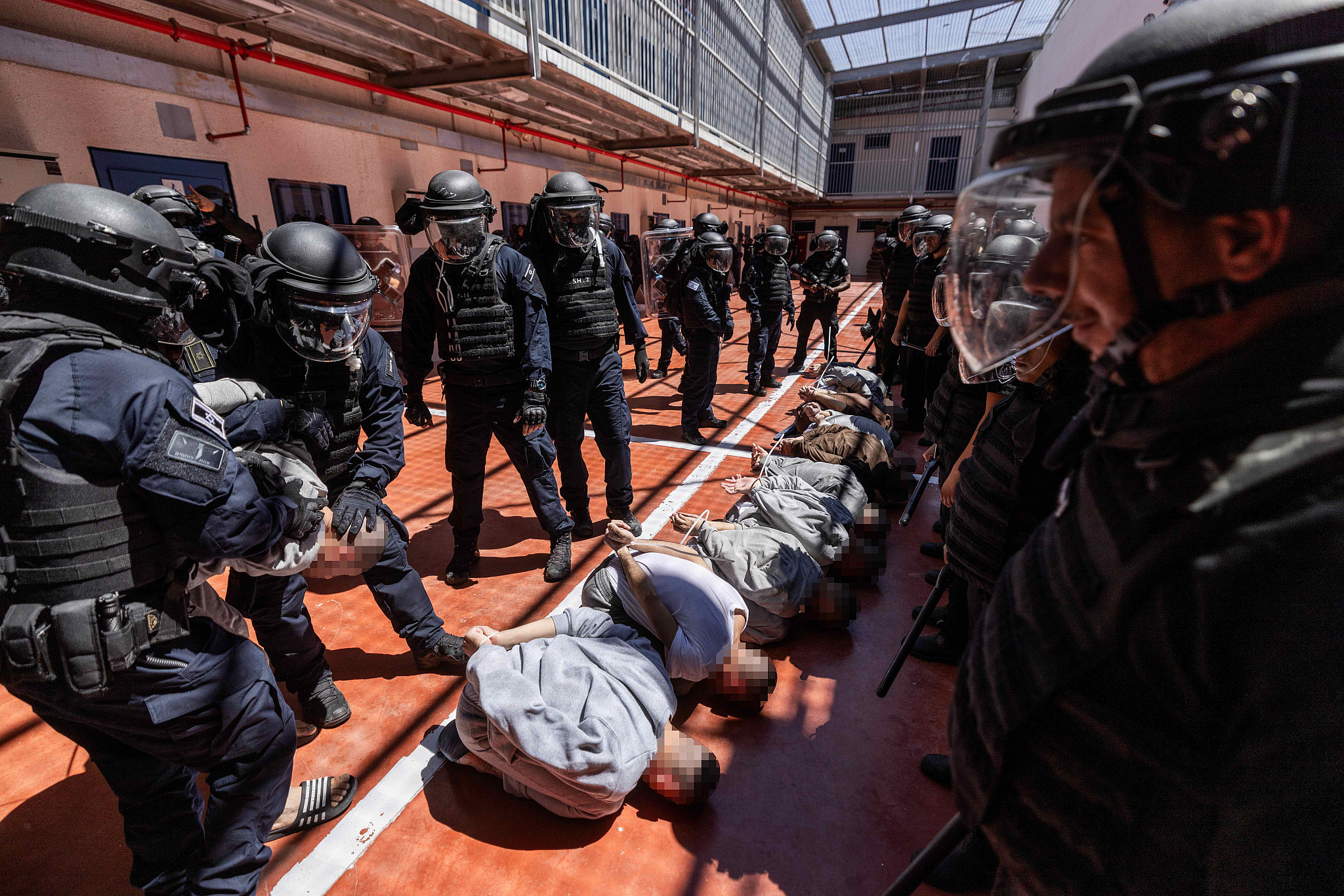
Israeli occupation authorities have been also accused of torturing Palestinian detainees. This includes being handcuffed and shackled 24 hours a day, seven days a week – even while sleeping, eating, and using the restroom. Testimonies also describe regular beatings by guards, extreme overcrowding, humiliation, and inadequate hygiene.
In August 2024, the Israeli rights group B’Tselem accused Israeli occupation authorities of systematically abusing Palestinians in “torture camps”, subjecting them to severe violence and sexual assault.
Israel’s torture of Palestinians has resulted in the deaths of over 98 known detainees since 7 October 2023, the day Israeli laumched its ongoing genocide in Gaza, in detention facilities, making it the “bloodiest stage in the history of the prisoner movement,” according to the Palestinian Detainees’ Affairs Commission and the Palestinian Prisoner’s Society (PPS).
“Every time prisoners are released, we find the prisoners’ bodies reflecting the level of crimes committed against them,” the PPS said in a statement.
“These include medical abuses, starvation, and brutal beatings that continued until the last days of their release. These actions represent a long-standing, systematic history of crimes perpetrated by the occupation, which escalated dangerously since the start of the genocide campaign. These crimes led to the martyrdom of dozens of detainees during the bloodiest period in the history of the prisoner movement,” the group added.
There are now over 9,000 Palestinian hostages held in Israeli jails, including 90 women and 350 children, according to official Palestinian figures.