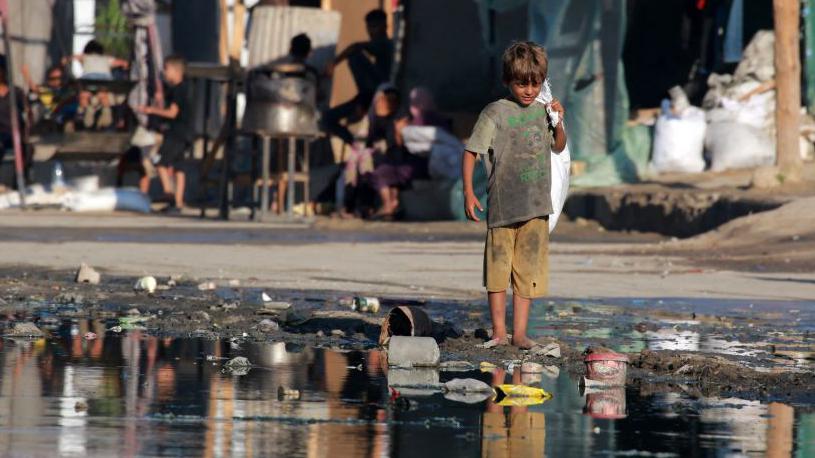
Gaza (QNN)- More than 17,000 infections linked to rodents and external parasites have been recorded among displaced Palestinians in the Gaza Strip since the start of the year, as deteriorating living conditions and the collapse of the health system continue after two years of war, alongside ongoing Israeli ceasefire violations and blockade, the World Health Organization (WHO) said.
In a statement, the organization said that “desperate and dangerous conditions in Gaza continue to hinder recovery efforts,” pointing to rising infection rates among families as the health sector faces severe shortages of supplies and equipment.
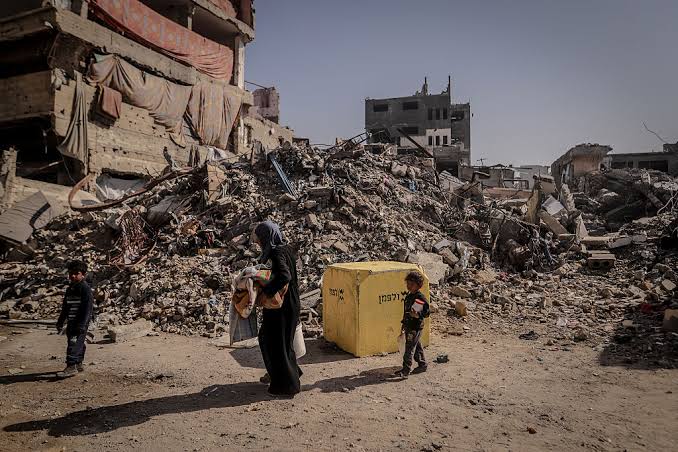
The WHO estimated damage to the health sector alone at around $1.4 billion, noting that more than 1,800 health facilities have been partially or completely destroyed, including major hospitals such as Al-Shifa Hospital, as well as primary healthcare centers, clinics, pharmacies, and laboratories.
According to the organization, its newly appointed representative in the occupied Palestinian territory, Reinhilde Van de Weerdt, described the scale of destruction during her first visit to Gaza, saying that “nothing can prepare you for the sheer magnitude of devastation there.”
She added that reading reports and figures is not enough, as witnessing the destruction on the ground offers a far more striking understanding.
Van De Weerdt noted that over 17,000 infection cases have been recorded among displaced people, while more than 80% of displacement sites have reported skin diseases due to deteriorating living conditions.
She stressed that the WHO and its partners urgently need to bring in laboratory equipment and supplies to better understand the spread of diseases, noting that their entry has been restricted under the ongoing Israeli blockade on Gaza.
She called for immediate changes, including protection for healthcare workers, the entry of medicines and essential supplies, and the lifting of restrictions affecting the health sector
On Saturday, the UN said ectoparasitic skin infections tripled in 3 months in Gaza.
“In overcrowded shelters and displacement sites across the Gaza Strip, skin infections are spreading. Conditions such as scabies, lice and flea infestations (parasitic skin infections) can lead to serious complications if left untreated, especially among the most vulnerable. Some infections linked to rodents, like leptospirosis, can become life-threatening,” it said.
https://x.com/unrwa/status/2048039628498674056?s=46&t=t_-JFgpXqgMIkVsuBfWELw
OCHA confirmed the continued reports of environmental hazards, including pests and rodents, affecting residential areas across the Gaza Strip.
“Lack of chemical supplies for pest and rodent control remains a critical constraint to addressing the problem, as does a lack of lubricant oil that may reduce generator-supported waste and sewage operations in the near term and thereby increase public health risks,” it added.
Hundreds of thousands of Palestinians in Gaza have been living in tents since the first months of the Israeli genocide after being forcibly displaced from their homes amid Israeli attacks, amid no signs of return or reconstruction. They also remain totally dependent on food and other basics distributed by local and international organizations.
Six months into the Gaza ceasefire, which took effect on October 10, the Israeli occupation continues its genocidal war on the Palestinian enclave, killing hundreds and restricting the entry of desperately-needed aid, with no pause in the attacks or the suffering.
Gaza Municipality officials say the situation is worsened by the Israeli ban on importing pest-control materials, including a poison previously used for rodent control, and that efforts to find alternatives have been unsuccessful.
Waste management problems are also worsening, with Gaza City’s main landfill containing about 300,000 cubic metres (10.5 million cubic feet) of waste, creating a breeding ground for rodents in a densely populated area.
The arrival of summer is expected to worsen the crisis, along with the spread of insects and mosquitoes, health officials in Gaza warn.
Last week, OCHA said the amount of aid entering the Gaza Strip fell by 37 per cent in January to March, compared to the first three-months of the ceasefire that has been in place since 10 October 2025. This coincides with reduced crossing operations, increased cargo returns, scanning malfunctions and other challenges imposed by Israel.
Deliveries of food and other goods into Gaza dropped sharply after Israel and the US launched their assault on Iran, according to humanitarian data and officials, The Wall Street Journal said.