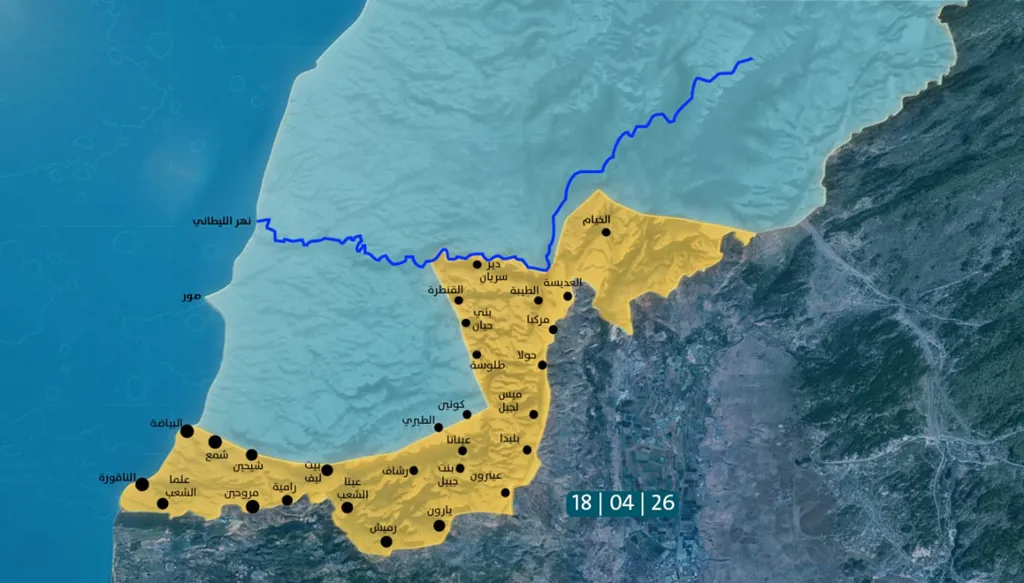
South Lebanon (QNN)- Israel is moving to impose what it calls a “yellow line” inside South Lebanon, stealing large areas from Lebanese villages and echoing a similar tactic in Gaza. The plan includes blocking residents from returning to at least 55 towns and villages within this zone while allowing Israeli forces to continue destroying civilians' houses callingbthem "Hezbollah-linked infrastructure."
According to reports cited by CNN, Israel aims to entrench a permanent field reality by establishing an emptied strip inside Lebanese territory. This approach relies on direct military presence and sustained firepower to limit any future civilian activity in the area.
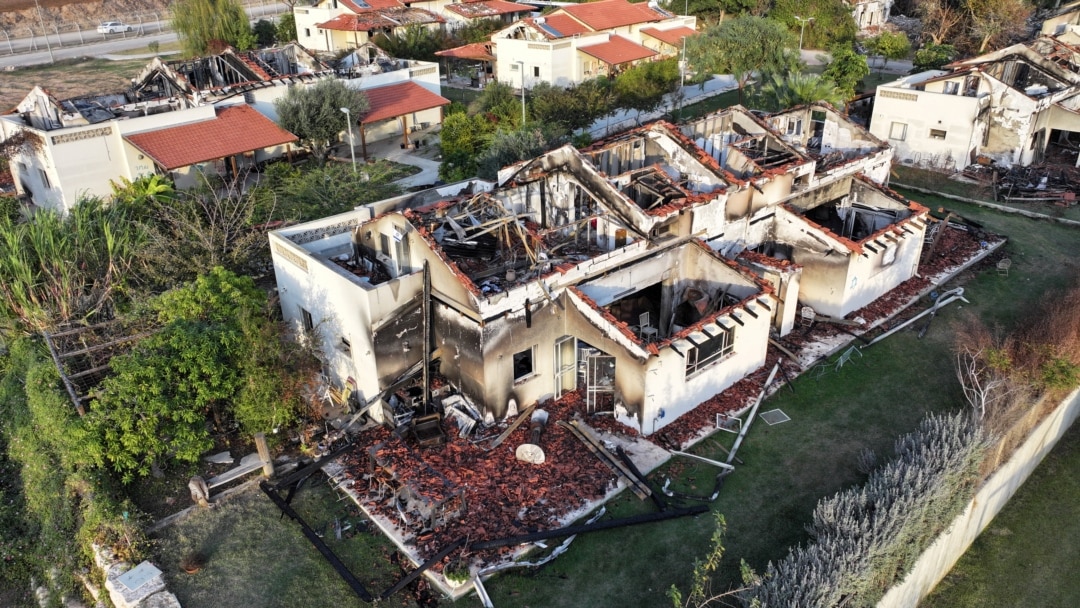
Israeli military sources say forces now occupy around 55 towns and villages in southern Lebanon. Nearly 20 of these areas, especially those close to the front line, have suffered partial or near-total destruction.
This plan aligns with Israel’s broader proposal to create a depopulated border strip. The goal goes beyond military deployment. It seeks to prevent civilians from returning, effectively reshaping the demographic landscape along the border.
Israeli officials link this strategy to what they describe as an “anti-tank missile line,” a security zone that could extend up to 10 kilometers inside Lebanese territory. This depth would allow Israel to maintain a buffer area under constant surveillance and fire control.
This approach mirrors a model Israel has used in Gaza Strip, where it maintains extended control over large areas through both ground forces and long-range firepower. The aim is to enforce a lasting deterrence equation rather than rely on temporary ceasefire arrangements.
The proposed zone could stretch as far as the Litani River, where Israel seeks to prevent any Lebanese presence or keep the area under continuous threat. Such a scenario would deepen control over southern Lebanon and limit movement across a wide geographic area.
On the ground, developments already reflect this direction. Israeli forces continue demolition operations in multiple areas, with reports of systematic destruction in border towns such as Khiam. The Lebanese army has closed access points to the town and blocked civilians from entering, while Israeli troops remain inside.
Recent explosions and demolition activities have destroyed large numbers of homes in Khiam within hours. Similar operations continue across southern Lebanon, where bulldozing and infrastructure damage have expanded, further eroding the conditions needed for civilian life.
These developments come at a politically sensitive moment. Israeli Prime Minister Benjamin Netanyahu is pushing to extend the military presence in these areas for as long as possible, framing it as a security necessity.
The emerging reality points to a parallel strategy on the ground: turning border areas into unlivable zones. Entire areas that witnessed Israeli incursions now stand heavily damaged, making reconstruction and return dependent on uncertain political and security outcomes.