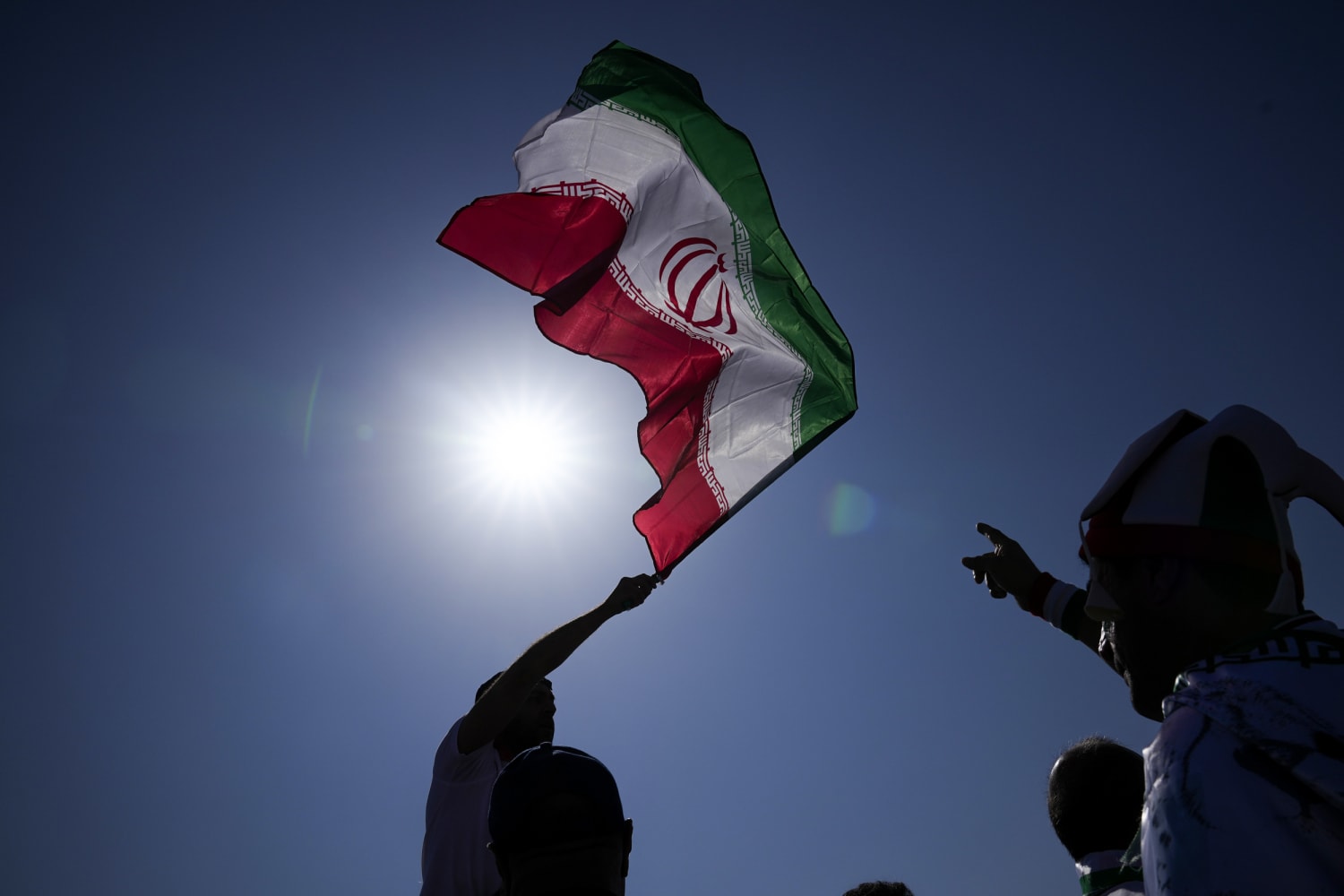
Washington (QNN)- American political scientist Robert Pape, a professor at the University of Chicago, has said that Iran is rapidly emerging as a fourth center of global power alongside the United States, China, and Russia.
In a widely discussed analysis originally published in The New York Times earlier this month and now recirculating widely, Pape challenges long-held assumptions about global order. He argues that power no longer depends only on economic size or military strength. Instead, control over strategic energy routes now shapes global influence.
Pape says Iran’s growing power comes from its control over the Strait of Hormuz, one of the most critical energy chokepoints in the world.
Nearly one-fifth of global oil and liquefied natural gas flows through this narrow passage. There are no viable alternatives in the short term. This gives Iran significant leverage over global energy markets.
According to Pape, the joint US-Israeli assault against Iran triggered a shift. Iran responded by imposing a “selective military blockade” of the strait. The blockade was lifted following a ceasefire but was reimposed after the United States refused to implement its part of the agreement.
Unlike a full closure, Iran does not need to stop all traffic. Instead, it creates enough risk to disrupt global supply chains. Tanker traffic has dropped by more than 90 percent since the war was launched. The decline did not result from constant attacks, but from credible threats that drove insurers to withdraw or sharply raise war-risk coverage.
Pape argues that traditional military thinking misreads the situation. Many analysts expected US naval forces to restore normal shipping flows. He called this assumption flawed.
Iran does not need to physically block the strait. Occasional attacks or threats can make shipping too risky. This approach places pressure on global markets without requiring sustained military confrontation.
Modern economies rely not only on energy supplies but also on reliable delivery. When that reliability collapses, insurance costs rise, freight prices surge, and governments treat energy access as a strategic concern rather than a market issue.
Pape highlights a key asymmetry. The United States must protect every oil shipment moving through the strait. This requires constant military deployment. Iran, however, only needs to target a vessel occasionally to undermine confidence in the system.
French President Emmanuel Macron reinforced this view. He said reopening the strait by force is “unrealistic” and stressed that stability requires coordination with Iran. His remarks signal growing international recognition of Iran’s leverage.
For decades, the Persian Gulf followed a stable formula. Gulf states exported oil, markets set prices, and the United States secured shipping routes. That system is now breaking down.
Rising insurance costs and shipping risks already affect Gulf economies. Governments are adjusting export routes and renegotiating contracts. If instability continues, regional states may shift toward accommodating Iran, which now holds direct influence over export reliability.
The impact extends beyond the region. Major Asian economies, including Japan, South Korea, and India, depend heavily on Gulf energy. China also relies on the region despite having more diversified sources.
Prolonged disruption could trigger global economic consequences. Energy prices would rise. Inflation would increase. Trade balances could worsen, and currencies may weaken. Governments would prioritize energy security, limiting their diplomatic flexibility.
Pape argues that Iran, China, and Russia share structural incentives that challenge US-led stability. These countries do not need a formal alliance. Their interests naturally align in ways that reshape the global system.
He outlines a potential scenario where Iran controls about 20 percent of global oil flows, Russia about 11 percent, and China absorbs much of that supply. Such a dynamic could reduce Western access to energy and accelerate a global power shift.
Pape concludes that the United States faces a strategic dilemma. It can attempt to reassert control over the Strait of Hormuz through long-term military commitment, or accept a new energy order where its dominance declines.
Both options carry risks. A military approach could lead to a prolonged conflict with uncertain outcomes. Acceptance, however, would cement Iran’s position as a fourth global power.
Pape describes the current conflict as transformational. If these dynamics persist for years, he warns, the global order could change in ways that are difficult to reverse.