Gaza (QNN)- US Vice President JD Vance claimed that more humanitarian aid is now entering the Gaza Strip than at any time in the past five years. Palestinians, however, rejected this claim, confirming that Israel continues to impose restrictions on the entry of aid despite the ceasefire.
Speaking at a Turning Point USA (TPUSA) event on Tuesday, Vance said, "Right now, you see more humanitarian aid coming into Gaza than it has any time in the past five years, because we have taken that situation seriously.”
Vance made the claim after being heckled by a member of the crowd shouting "Killing children," and "Slaughtering children," in reference to the Israeli genocide in Gaza.
Last week, Nickolay Mladenov, who has been appointed as the director-general of the “Board of Peace”, made similar claims.
In a post on X, he said 602 trucks entered Gaza that day with “essential supplies for families who have waited too long.” “This was made possible through intensive engagement by my team, the National Committee for Gaza Management (NGAC) and Board of Peace.”
Gaza’s Government Media Office condemned Vance’s remarks on Wednesday, saying they “bear no relation to reality” and “starkly contradict verified field data”.
The Gaza Government Media Office also refuted Mladenov’s claims, confirming that only 207 trucks entered the Gaza Strip on April 9, including 79 humanitarian aid trucks.
“This falls significantly short of the level required to meet urgent humanitarian needs and does not support claims of “expanded access”,” the Office said.
The Office added that the overall compliance with agreed aid entry levels since the ceasefire began has not exceeded 38%.
“Where is the so-called “Board of Peace” in addressing ongoing daily violations of the agreement by Israel? Why has it remained silent? And how does it reconcile this silence with its stated commitments to the international community to alleviate the humanitarian crisis in Gaza?” The Office asked in a statement on Friday.
Palestinians flooded Nickolay Mladenov’s post, condemning and refuting his claims.
Ramy Abdu, Chairman of Euro-Med Monitor, wrote, “Lies. Today, 207 trucks entered—only 79 carried aid. This doesn’t meet even a quarter of a day’s needs. Nickolay Mladenov has become part of a machine of deception and misinformation. Criminal and must be removed from his position and rejected outright.”
Palestinian writer Mosab Abu Toha said, “Are you serious? We know the number of trucks that entered today was around 200. Even if the figures being reported are accurate, this is not something that should require “intensive engagement” from anyone. Allowing food and humanitarian aid to reach civilians is a basic obligation.”
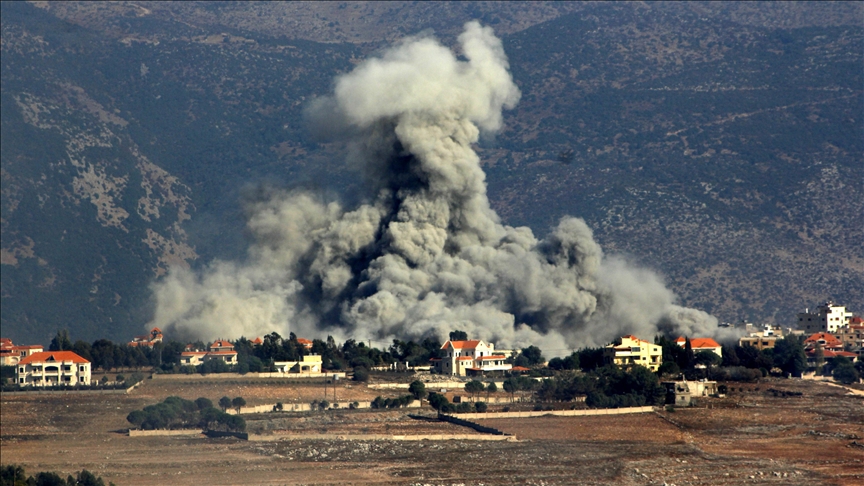
Six months into the Gaza ceasefire, which took effect on October 10, the Israeli occupation continues its genocidal war on the Palestinian enclave, killing hundreds and restricting the entry of desperately-needed aid, with no pause in the attacks or the suffering.
Israel has violated the ceasefire agreement over 2,070 times. The average number of violations committed by Israeli forces has reached 13.1 violations per day, according to the Gaza Government Media Office.
The Palestinian Health Ministry said over 750 Palestinians have been killed in Israeli attacks on Gaza since the start of the ceasefire. Among the victims were over 309 children, women and elders, representing 43.3%.
Israel has also restricted the entry of essential humanitarian aid to the enclave despite the ceasefire stipulating that “full aid will be immediately sent into the Gaza Strip”.
From October 10 to April 1, only 40,572 trucks have entered Gaza. That is only 39.3 percent of the trucks allocated, the Gaza Media Office said, with an average of 235.8 trucks entering daily.
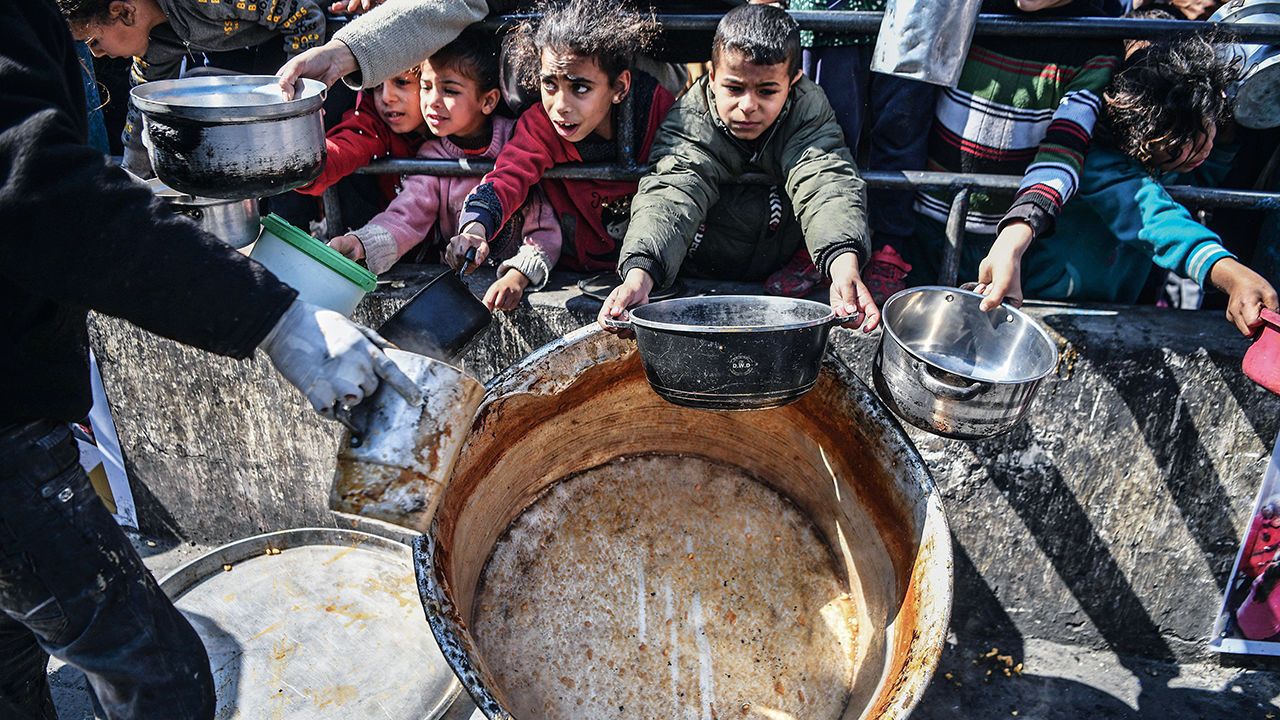
In addition, Israel has blocked essential and nutritious food items, including meat, dairy, and vegetables, crucial for a balanced diet. Instead, non-nutritious foodstuffs are being allowed, such as snacks, chocolate, crisps, and soft drinks.
600 trucks are supposed to enter the enclave daily, including 50 fuel trucks.
The Office noted that Israel continues to provide misleading figures to the mediators and refuse to submit to independent international monitoring.
It added that field data confirm that what has actually entered does not exceed 40% of the total number of trucks agreed upon.
The most serious violation concerns the entry of fuel, as the quantity allowed to enter did not exceed 15%, underscoring a deliberate obstruction of recovery efforts and the continuation of basic services in the Gaza Strip.
The Office also noted that Israel continues to block the entry of tents, mobile homes, caravans, and other essential shelter materials, “in clear violation of existing agreements and international humanitarian law.”
On February 28, the first day of the Israeli-US assault on Iran, Israel closed all the Gaza border crossings, citing an emergency situation, worsening an already severe humanitarian crisis. The closures included the Rafah And Karem Abu Salem crossings.
Israel claimed in its statement on the closures of the Gaza crossings that enough food had been delivered to Gaza since the beginning of the ceasefire to provide four times the need of the population, without providing evidence.
Ismail Ibrahim al-Thawabta, director general of the Gaza Government Media Office, said the Gaza Strip “faces indicators of a worsening humanitarian crisis if restrictions on aid continue. Responsibility for preventing this crisis lies with the occupying power, which is limiting humanitarian supplies in clear violation of international humanitarian law and its obligations towards the civilian population.”
According to truck drivers, aid deliveries are facing significant delays, with Israeli inspections taking much longer than expected.
Also, the Israeli occupation government said it banned 37 aid groups from war-torn Gaza, the occupied West Bank and occupied East Jerusalem; the decision took effect on March 1, a move described as having potentially devastating consequences for Palestinians.
The vast majority of Gaza’s more than 2 million residents rely on aid groups for food, water, healthcare, shelter and other essentials.
Only on March 3, Israeli occupation authorities said that they would reopen the Karem Abu Salem crossing to allow for the “gradual entry of humanitarian aid” into the territory. That crossing sits at the intersection of the Gaza Strip boundary with the Israeli and Egyptian borders.
“Ignoring these facts constitutes serious misinformation and obscures a systematic reality of restricted supplies and enforced deprivation, as the Israeli occupation continues to fail to meet its humanitarian obligations,” the office said.
“Distorting facts or portraying a false reality will not change the severity of the humanitarian catastrophe in Gaza, nor absolve any party of its legal and moral responsibilities,” it added.
UN data also indicates that Vance’s claim is inaccurate.
Before the genocide, between 2021 and 2023 up to 12,000 trucks per month – around 400 daily – entered Gaza, mostly carrying commercial goods.
Since then, numbers have dropped sharply, after former Israeli Defence Minister Yoav Gallant – who is wanted by the ICC for war crimes – said that there will be “no electricity, no food, no fuel” entering Gaza.
Some months during the genocide saw as few as 600 trucks in total, averaging around 20 per day.
The peak saw 5,670 trucks enter in one month, approximately 190 per day.
In November, weeks after the ceasefire, only 4,282 trucks entered, averaging 142 per day, according to UN data.
Numbers have continued to decline since then: 3,513 trucks entered in January, 2,660 in February, 2,032 in March, and just 586 so far this month, as of Wednesday.
Last week, Doctors Without Borders (MSF) said, “Israel continues to deliberately obstruct aid”, as living conditions in Gaza remain dire.
The obstruction, it said, is “translating into entirely preventable deaths”.
“While the intensity of the conflict has decreased, the reality in Gaza remains catastrophic,” the organisation added.