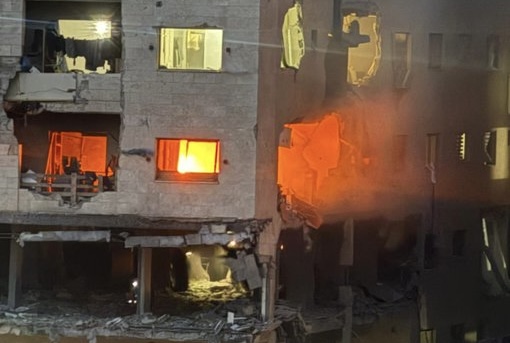
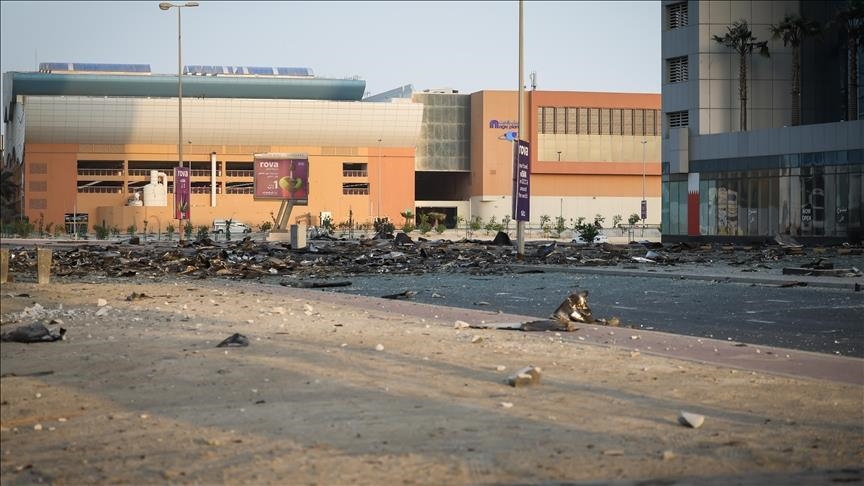
Manama (QNN)- An interceptor missile fired from a US-operated Patriot air defense system likely caused the deadly March 9 explosion in Bahrain that injured 32 civilians, including children, according to an analysis reviewed by Reuters.
The blast struck the Mahazza neighborhood on Sitra island, tearing through homes and leaving widespread damage. Bahraini authorities and the United States initially blamed an Iranian drone attack, with US Central Command stating at the time that a drone hit a residential area.
However, Bahrain later confirmed that a Patriot missile was involved in the incident. Officials claimed the system intercepted an Iranian drone mid-air and prevented what they described as "a more deadly strike". They insisted the explosion did not result from a direct ground impact.
Despite these claims, no evidence has been presented to confirm the presence of a drone over the neighborhood.
Researchers from the Middlebury Institute of International Studies at Monterey concluded with moderate-to-high confidence that the missile originated from a US-operated Patriot battery near Riffa, about 7 kilometers from the blast site.
Their findings relied on open-source videos and satellite imagery, which traced the missile’s trajectory toward Mahazza before it detonated mid-air. Experts who reviewed the analysis found it consistent with known Patriot missile behavior.
The investigation suggests the missile exploded above the residential area, spreading debris and shrapnel across several streets and causing injuries and structural damage.
Researchers outlined two possible scenarios: the missile intercepted a drone and both detonated, or the Patriot itself exploded during flight, possibly due to a malfunction or failed intercept. They noted that available evidence makes a direct drone strike less likely.
Bahrain maintains that the interception saved lives and rejects reports of any malfunction. The US military has also denied earlier reports suggesting a failed Patriot strike.
Still, the lack of confirmed drone evidence and the growing body of independent analysis have raised new questions about the US responsibility.
The incident underscores the risks of deploying high-powered air defense systems in populated areas, especially against low-cost drones. Experts warn that even successful interceptions can lead to significant civilian harm when explosions occur overhead.