Gaza (QNN)- Ten countries, including Canada and Britain, have expressed “serious concerns” over a “renewed deterioration of the humanitarian situation” in Gaza, describing conditions as “catastrophic” as Israel continues to block much-needed aid from entering the war-torn Strip, despite the ceasefire.
“As winter draws in civilians in Gaza are facing appalling conditions with heavy rainfall and temperatures dropping,” the Foreign Ministers of Britain, Canada, Denmark, Finland, France, Iceland, Japan, Norway, Sweden and Switzerland said in a joint statement on Tuesday.
“1.3 million people still require urgent shelter support. More than half of health facilities are only partially functional and face shortages of essential medical equipment and supplies. The total collapse of sanitation infrastructure has left 740,000 people vulnerable to toxic flooding.”
The countries urged Israel to ensure international NGOs can operate in Gaza in a “sustained and predictable” way and called for the opening of land crossings to boost the flow of humanitarian aid.
The statement called on Israel to allow international NGOs to operate in Gaza in a “sustained and predictable” manner, warning that many established aid organisations face deregistration by the end of December due to new Israeli restrictions.
“As 31 December approaches, many established international NGO partners are at risk of being deregistered because of the government of Israel’s restrictive new requirements,” it said.
It also called for the UN and its partners to be able to continue their work in Gaza and for the lifting of "unreasonable restrictions on imports considered to have a dual use". This included medical and shelter equipment.
They said other corridors for moving goods remained closed or severely restricted for humanitarian aid, including Rafah.
"Bureaucratic customs processes and extensive screenings are causing delays, while commercial cargo is being allowed in more freely," the statement said.
"The target of 4,200 trucks per week, including an allocation of 250 UN trucks per day, should be a floor not a ceiling. These targets should be lifted so we can be sure the vital supplies are getting in at the vast scale needed," it added.
Israel’s Ministry of Foreign Affairs called the joint statement “false but unsurprising” and “part of a recurring pattern of detached criticism and one-sided demands on Israel.”
The statement comes as Israel says it will suspend more than three dozen humanitarian organisations, including Doctors Without Borders, for allegedly failing to meet its new rules for aid groups working in Gaza.
Organisations facing bans starting on Thursday didn’t meet new requirements for sharing information on their staffs, funding and operations, Israeli authorities said.
Other major organisations affected include the Norwegian Refugee Council, CARE International, the International Rescue Committee, and divisions of major charities such as Oxfam and Caritas.
“The message is clear: Humanitarian assistance is welcome. The exploitation of humanitarian frameworks for terrorism is not,” Diaspora Affairs Minister Amichai Chikli claimed.
International organisations said Israel’s rules are arbitrary. Israel cliamed 37 groups working in Gaza didn’t have their permits renewed.
Amjad Shawa from the Palestine NGOs Network said the decision by Israel is part of its ongoing effort “to deepen the humanitarian catastrophe” in Gaza.
“The limitations on the humanitarian operations in Gaza are in order to continue their project to push out the Palestinians, deport Gaza. This is one of the things Israel continues doing,” Shawa told Al Jazeera.
Israel changed its registration process for aid groups in March, which included a requirement to submit a list of staff, including Palestinians in Gaza.
Some aid groups said they didn’t submit a list of Palestinian staff for fear those employees would be targeted by Israel.
“It comes from a legal and safety perspective. In Gaza, we saw hundreds of aid workers get killed,” said Shaina Low, communications adviser for the Norwegian Refugee Council.
Recently, more than 100 aid groups accused Israel of obstructing life-saving aid from entering Gaza and called on it to end its “weaponisation of aid” as it refused to allow aid trucks to enter the battered Gaza Strip despite the ceasefire which took effect in Ocotber.
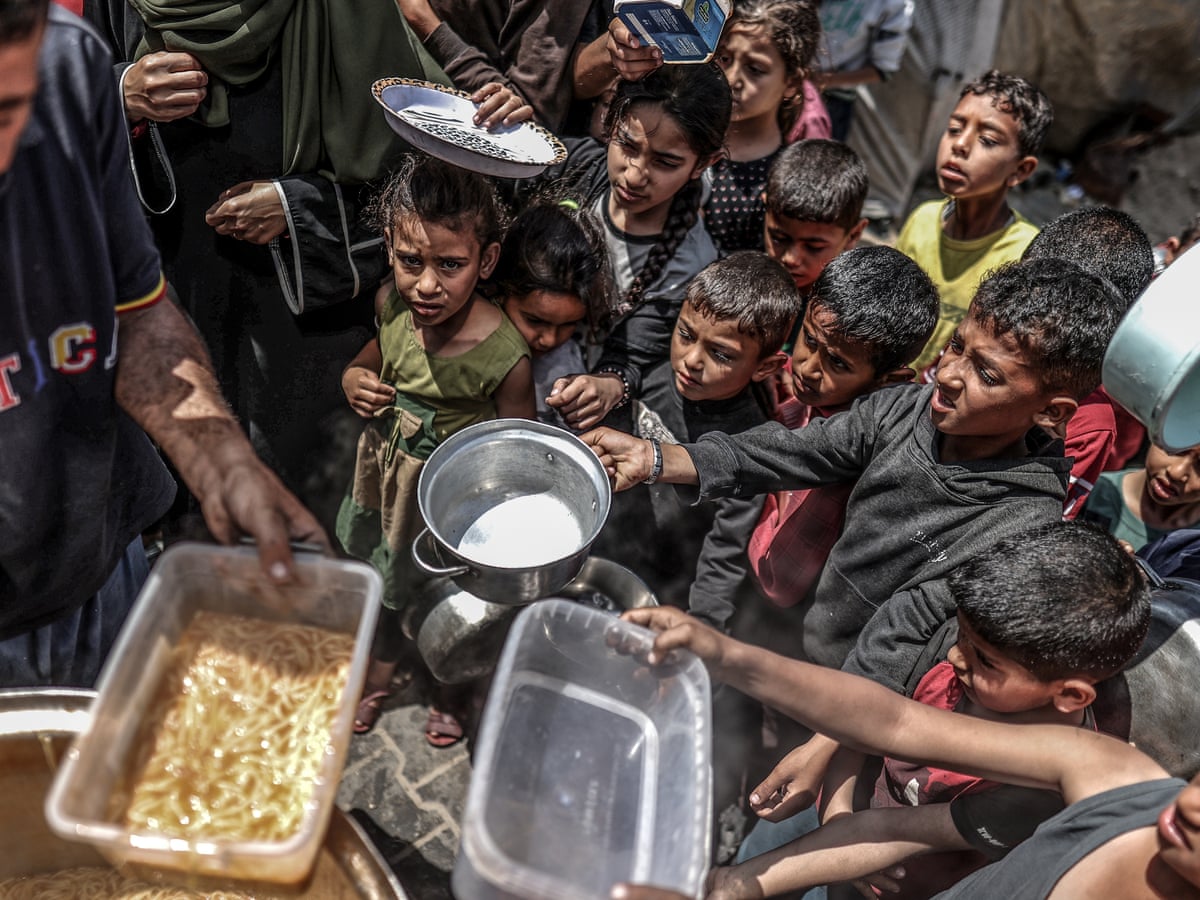
The decision comes as the enclave is imminently facing freezing temperatures, rain and strong winds, with more than 20 people have died ove the past weeks from hypothermia and collapsing buildings, including children.
Israel’s two-year war has destroyed more than 80 percent of the structures across Gaza, forcing hundreds of thousands of families to take refuge in flimsy tents or overcrowded makeshift shelters.
The United Nations agency for Palestinian refugees, UNRWA, says the Israeli occupation government has blocked it from bringing aid directly into Gaza.
“People have reportedly died due to the collapse of damaged buildings where families were sheltering. Children have reportedly died from exposure to the cold,” UNRWA said on.
“This must stop. Aid must be allowed in at scale, now.”