“We are not just fighting for land; we are fighting for the right to exist. To live with dignity, as human beings."
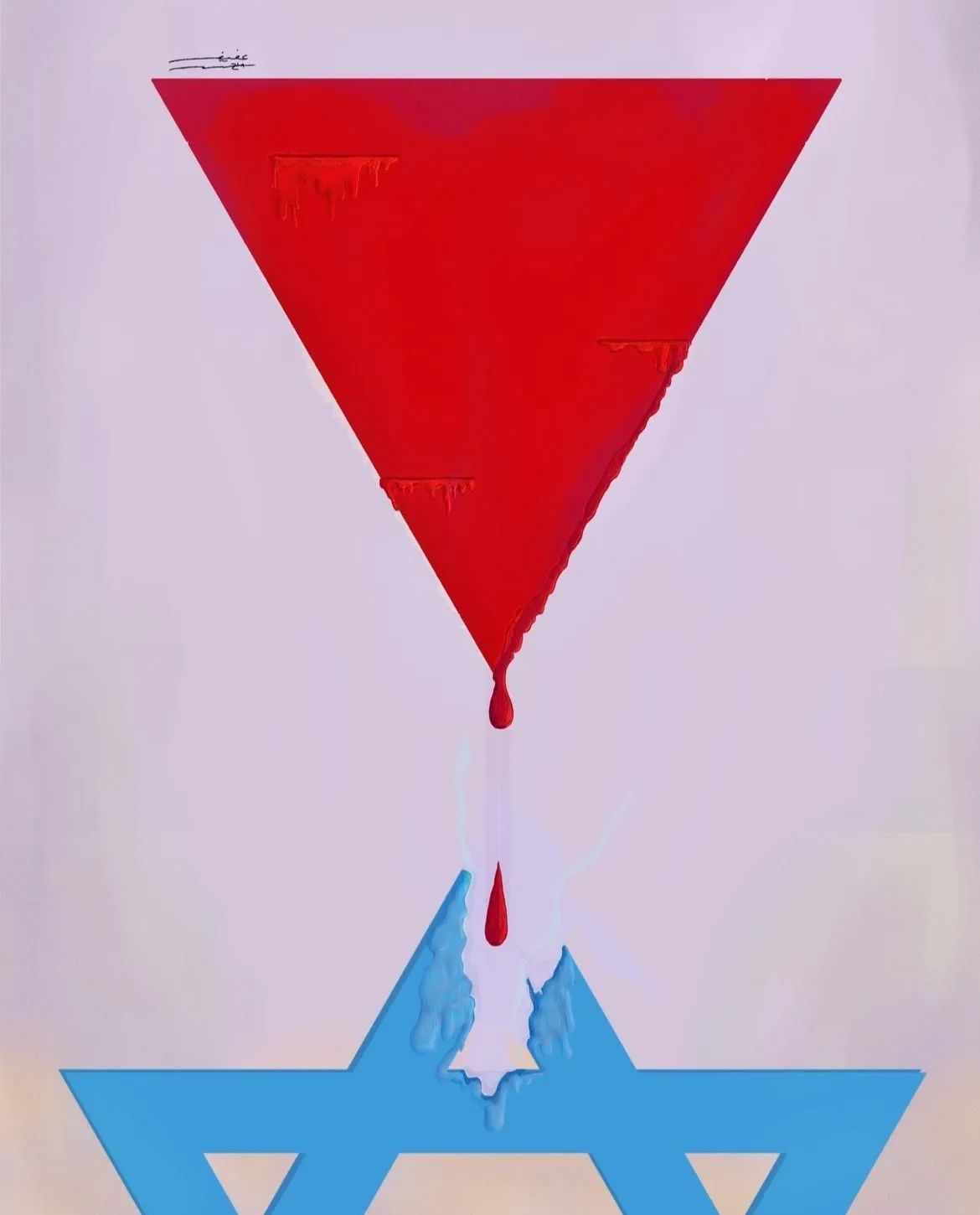
The Nakba of 1948 remains a deeply painful chapter in the history of the Palestinian people. It is a tragic reminder of Israel’s systematic dispossession, displacement, and dehumanization of an entire population.
Nakba: the Arabic term, means "catastrophe,” when Zionist military forces forcibly expelled at least 750,000 Palestinians from their homes and lands and captured 78 percent of historic Palestine.
Between 1947 and 1949, they attacked major Palestinian cities and destroyed some 530 villages.
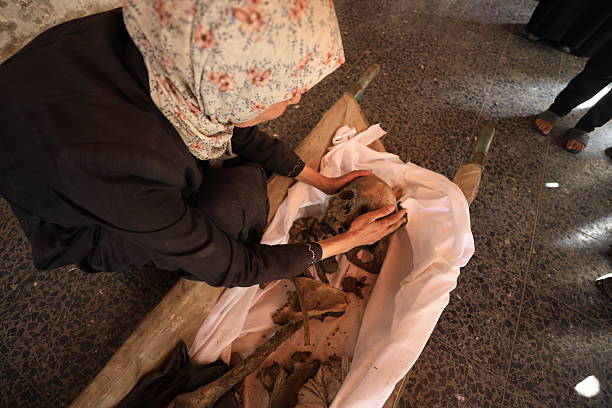
About 15,000 Palestinians were killed in a series of mass atrocities, including dozens of massacres. On April 9, 1948, Zionist forces committed one of the most infamous massacres in the village of Deir Yassin on the western outskirts of Jerusalem. More than 110 men, women and children were killed by members of the Irgun and Stern Gang Zionist militias.
For Palestinians, the Nakba has never ended. It has simply evolved into something more brutal and more devastating.
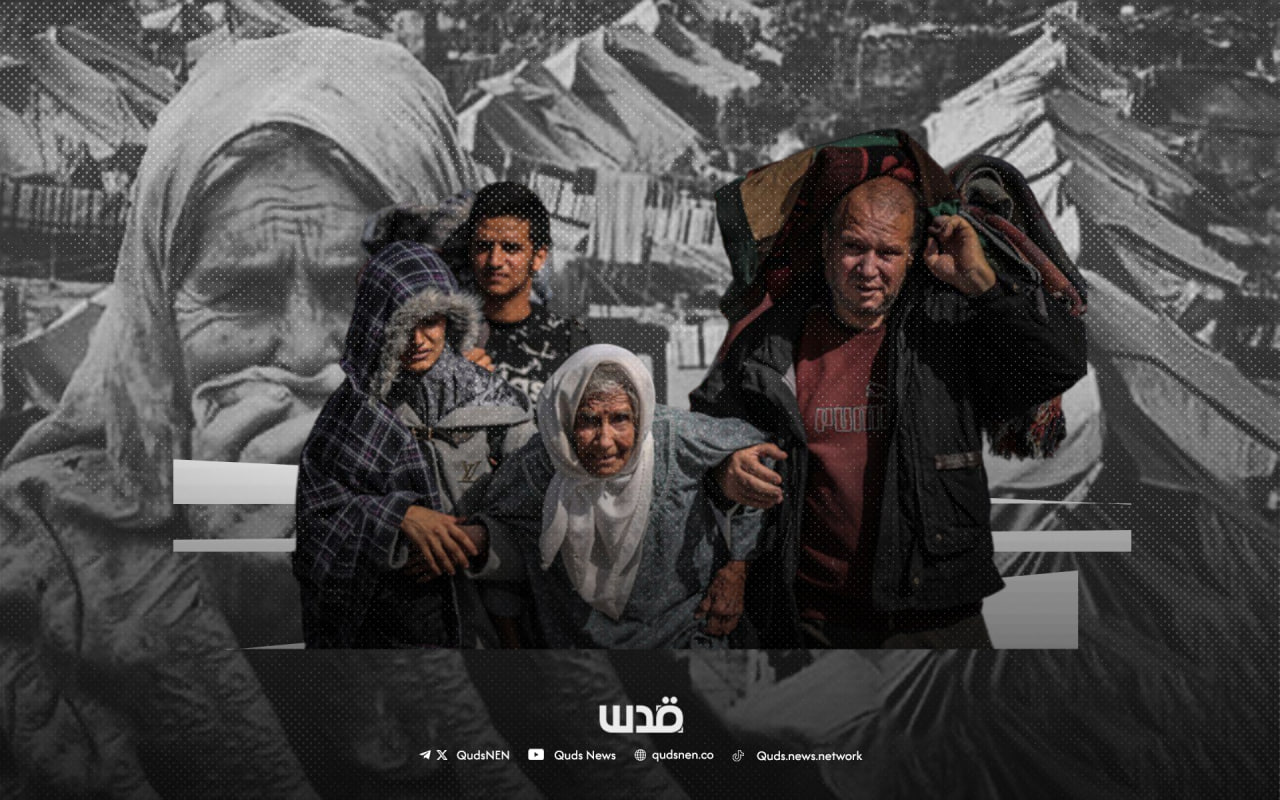
QNN had the privilege of sitting down with Ali Abu Sada, an elderly Palestinian man who was forced to flee his hometown during the Nakba, and who now bears witness to the Israeli genocide in Gaza.
The Nakba: A Memory Carved in Time
Abu Sada, now in his late 80s, recalled the day his family was uprooted by the Israeli occupation from their village: Al-Maghar.
"I was just a young boy," he said, though weathered with age, still carrying the weight of his memories.
"The Nakba was the loss of our land, our homes, and our future. We fled, like many others, with nothing but the clothes on our backs.” "We thought it was a momentary tragedy, but we were wrong. The Israeli forces turned us into refugees in our own land, and 77 years later, they are still trying to erase us from existence."
What is striking about Ali’s testimony is not just the personal grief he feels—though it is immense—but the clarity with which he sees the ongoing nature of the Nakba.
"We never went back," he said. "For decades, our land has been taken, our homes destroyed, and our people denied the right to return. And now, I see the same thing happening to my people in Gaza. It’s the Nakba again, but worse."
Gaza: A New Nakba, A New Genocide
Abu Sada described the ongoing genocide in Gaza as "a massacre unlike anything I’ve ever seen before." He remembers the atrocities he witnessed during the Nakba, but he sees what has been happening in Gaza since 2023 as something even darker.
“In 1948, they forced us out of our lands. In Gaza, they are trying to erase us completely."
This latest chapter of assault in Gaza, which began with Israel’s 2008 assault, has escalated into what many human rights groups and experts now describe as a genocide. Over the years, Israel has conducted repeated offensives in Gaza, each resulting in killing thousands of Palestinians, widespread destruction, and collective punishment.
According to the Palestinian Ministry of Health, more than 72,700 Palestinians have been killed since the start of the assault, with the majority being civilians.
“I never thought I would live to see another Nakba," he told QNN with sorrow in his voice. "But Gaza is a repetition of the same tragedy, only worse. The siege, the bombings, the lack of basic necessities—it is worse than what we went through in '48."
Yet, despite the overwhelming evidence of war crimes, genocide, and systemic oppression, the international community remains largely passive.
The United States, Israel’s staunchest ally, continues to provide the Israeli occupation with unwavering military and diplomatic support, while other nations look the other way, choosing political expediency over human rights.
Israel’s War Against Palestinian Existence and a Never-Ending Nakba
Abu Sada sees the Israeli assaults in stark terms: "This is not about land or religion; this is about existence. Israel’s war against us is a war to erase us from the map, to deny us our humanity."
His words echo the sentiments of many Palestinians who have lived through multiple wars, occupations, and displacement. It is not just the land that Israel is taking—it is the very right to exist.
The goal of Israel’s assaults, Abu Sada believes, is clear: "They want us to disappear, to be forgotten. They want to turn us into ghosts."
Palestinians in Gaza, the West Bank, and in exile face an ongoing struggle for survival, dignity, and recognition. They have been denied their right to self-determination and their right to return to their homes.
As Ali Abu Sada’s testimony reveals, the Nakba of 1948 was not a singular event—it was the beginning of a long and painful history of dispossession, displacement, and erasure.
The ongoing genocide in Gaza is simply a continuation of this history, a more concentrated and brutal chapter in the struggle of a people whose only crime is their existence. And until the international community acknowledges the depth of Israel's war on Palestinian existence and demands an end to the attacks, the Nakba will continue—repeated, relentless, and ever more devastating.
As Abu Sada’s voice trembled with the weight of both past and present, he asked, "How many more must die before the world sees the truth?" Until that truth is acknowledged, the tragedy of the Nakba will live on, and Gaza will remain its latest, most horrific chapter.
“We are not just fighting for land; we are fighting for the right to exist. To live with dignity, as human beings." “I don’t know what will happen to Gaza," he says quietly. "But we, the people of Palestine, will never give up. We will never stop telling our story. The Nakba may have taken our homes, but it can never take our identity."
Abu Sada’s testimony is a reminder of how Israel's war on Palestinian existence continues unabated, with each new generation suffering the consequences of a relentless campaign of ethnic cleansing, occupation, and genocide.