Occupied Palestine (QNN)- Israel has appointed its first ambassador to Somaliland, months after Israel became the first in the world to officially recognize the breakaway region in Somalia.
Michael Lotem, who has previously served as Israel’s ambassador to Kenya, was reported to be appointed by Israel’s public broadcaster on Wednesday.
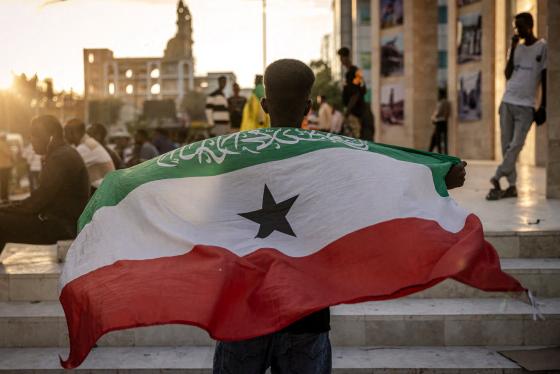
In December, Israel became the first country in the world to recognise Somaliland, ending more than 30 years of diplomatic isolation.
On Tuesday, Somaliland’s president, Abdirahman Mohamed Abdullahi, told a joint session of parliament that Israel had proven itself a “reliable partner”.
But Somalia’s foreign ministry released a statement condemning Israel’s decision to appoint an ambassador, describing it as a “direct breach” of the country’s sovereignty and unity.
Somaliland declared independence from Somalia in 1991, following a devastating civil war, but Somalia has never recognised it.
The recognition was slammed by various African and Muslim majority countries.
Israel’s foreign minister, Gideon Saar, visited Somaliland’s capital, Hargeisa, in January, and Somaliland subsequently sent a delegation from its water ministry to Israel for training in water management.
Somaliland’s president told Reuters in February that he expected a trade deal with Israel to follow soon.
Israel has also granted diplomatic approval to Mohamed Hagi, a presidential adviser who was central to brokering the recognition, as Somaliland’s first ambassador to Israel.
Somalia's president earlier this year called the recognition the “gravest attack” on the country’s sovereignty and accused Israel of seeking to establish a military base to launch attacks against Yemen.
Ali Omar, Somalia’s state minister for foreign affairs, said his country did not want to see its territory “pulled into external confrontations or used in ways that could further destabilise an already sensitive region”.