London (QNN)- A BBC investigation has uncovered a global cancer charity scam that exploited sick children and their families. The investigation found that millions of dollars raised in donations never reached the children they were meant to help. The scam is linked to an Israeli man living in Canada.
The investigation identified at least nine families who received nothing, despite campaigns that appeared to raise around $4 million. Parents say they were misled, manipulated, and left without support while their children battled cancer.
The network behind the campaigns links to Erez Hadari, an Israeli man living in Canada. He is connected to several organizations, including “Chance Letikva”, also known as “Chance for Hope.” The group is registered in Israel and the United States.
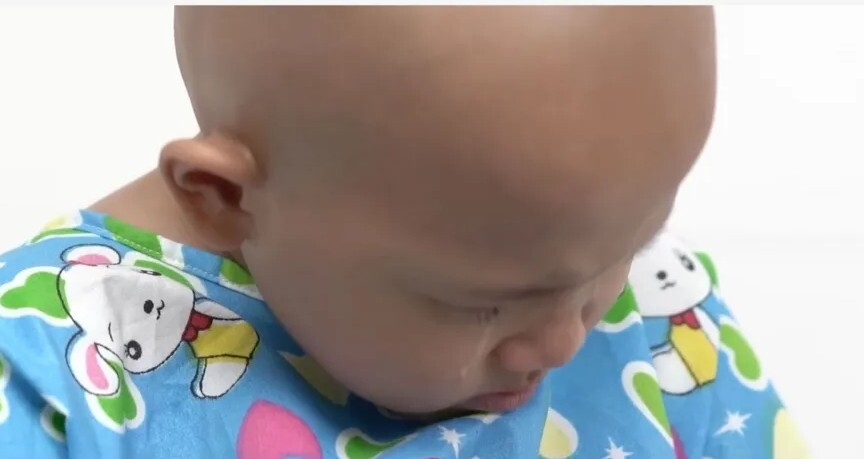
The investigation found that scouts targeted children aged three to nine. They focused on bald children with cancer and described them as “beautiful.” Many came from poor countries, including the Philippines, Colombia, Ukraine, Ghana, and Mexico.
The campaigns used highly emotional videos. Children were filmed begging for help and claiming their lives were at risk. Some were connected to fake medical equipment. Crews used chopped onions and menthol to force tears.
One case involved Khalil, a seven-year-old boy from the Philippines. His mother, Aljin Tabasa, said the crew shaved his head and made him recite a script in English. They told her the video would help pay for treatment.
The campaign in Khalil’s name appeared to raise $27,000. Aljin says she never received the money. She only got a $700 filming fee. One year later, Khalil died.
“If I had known the money was raised, maybe my son would still be alive,” she told the BBC.
The BBC found 15 families worldwide who say they received little or no money. Some did not even know campaigns existed in their children’s names.
One whistleblower from inside the network said recruiters searched oncology wards for “beautiful children” aged three to nine. They demanded photos and sent them to Erez for approval.
The investigation traced many campaigns to Chance Letikva. Others were promoted by Walls of Hope, registered in Israel and Canada. Documents list Erez Hadari as director of Walls of Hope in Canada.
Photos online show Hadari at Jewish religious events in several countries. Families in the Philippines and Colombia identified him as the man who directed filming.
In Colombia, Sergio Care said his daughter Ana was filmed while suffering from a brain tumour. The campaign later appeared to raise nearly $250,000. The family received nothing.
In Ukraine, a campaign featuring five-year-old Viktoriia appeared to raise more than €280,000. Her mother said she never approved the campaign and never wrote the appeal text. The clinic later fired the staff member who organized the filming.
The BBC tested the campaign sites by donating small amounts. The public totals increased immediately, suggesting the figures were real.
Experts told the BBC that charity advertising costs should not exceed 20 percent. Families were later told donations went to “advertising,” without proof.
Some campaigns for children who have already died still accept donations online.
The BBC contacted Erez Hadari and all named organizations. None responded. Hadari denied involvement in one voice message and later stopped replying.