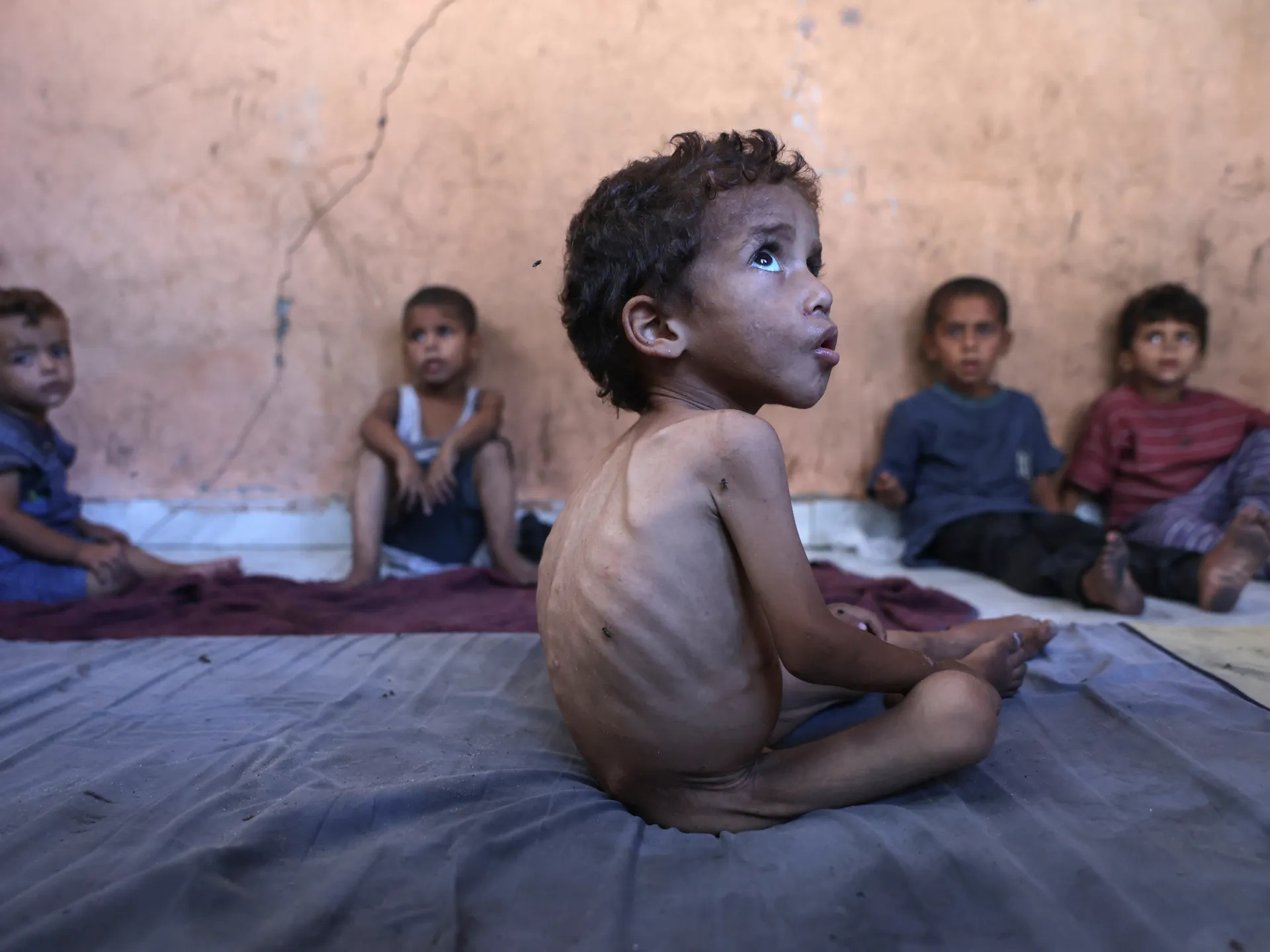
Gaza (QNN)- UNICEF announced on Saturday that Gaza recorded about 9,300 cases of acute malnutrition among children under five in October. The agency warned that the humanitarian crisis is worsening as winter arrives and food supplies remain scarce despite Trump’s ceasefire.
The organization said the high malnutrition levels endanger children’s lives. It stressed that cold weather increases disease and raises death risks among vulnerable children. Nutrition screenings in Gaza showed a sharp rise in cases due to shortages of basic goods and soaring prices of animal-source foods.
UNICEF Executive Director Catherine Russell said thousands of children still suffer from acute malnutrition. She noted that many lack proper shelter, sanitation and protection from the cold. “Hunger, illness and harsh weather put children’s lives at risk,” she said.
UNICEF also said large quantities of winter supplies remain stuck at Gaza’s borders. The agency called for safe, fast and unobstructed entry of aid, and urged the opening of all crossings at the same time. The call includes borders with Egypt, Israel, Jordan and the West Bank.
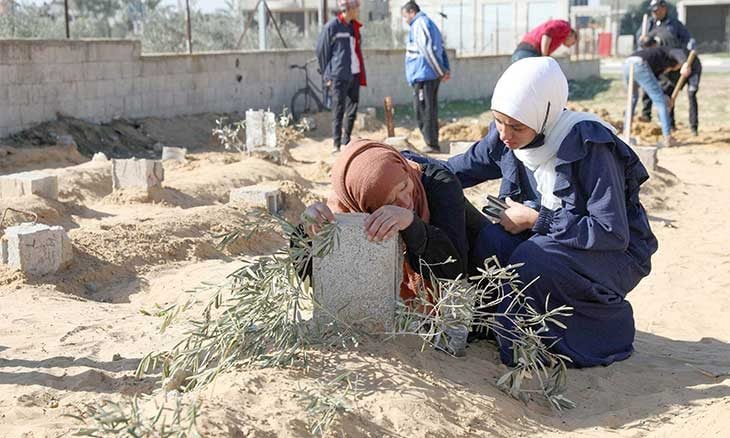
The crisis worsened after last week’s storm damaged 22,000 tents of displaced families. More than 288,000 households now lack protection from rain and freezing temperatures, according to the government media office. The Strip needs nearly 300,000 tents and prefab units to meet basic shelter needs after two years of Israeli genocide that destroyed most of Gaza.
UNICEF said market food prices dropped slightly in recent weeks thanks to limited supplies entering Gaza. But most essentials remain out of reach. A UNICEF survey found that two in three children under five ate only two or fewer food groups during the week surveyed, mainly bread and grains.
As winter sets in, thousands of families continue to live in makeshift shelters without warm clothing or clean water. Heavy rains pushed sewage into crowded areas. Disease is spreading quickly among children. UNICEF said malnutrition and disease feed each other, making both more deadly. Cold weather also increases energy needs, putting malnourished children at risk of hypothermia.
The agency scaled up its operations in Gaza City, where famine was confirmed in August. Treatment points for acute malnutrition increased from seven to 26 centers since the ceasefire. But UNICEF warned that supplies entering Gaza do not match the urgent demand. Many winter items remain blocked at crossings. The agency repeated its call for unimpeded aid access under international humanitarian law.
UNICEF urged all parties to open all Gaza crossings together, simplify clearance procedures and allow relief through all possible routes. It also called for the entry of all essential supplies, including those previously restricted, especially materials needed to repair water and wastewater systems.
At the same time, the UN Office for the Coordination of Humanitarian Affairs (OCHA) reported continued attacks on UN staff and facilities despite the ceasefire. OCHA spokesperson Jens Laerke said an Israeli helicopter struck a UNRWA schoolyard in Jabalia on November 24.
Laerke stressed that international humanitarian law requires protection of civilians, aid workers and relief convoys. He said these attacks put UN teams and partner organizations in grave danger and slow life-saving operations.
Israel continues to violate the ceasefire signed with Hamas. Since October 10, authorities recorded about 497 violations that killed more than 342 Palestinians.
UNICEF says time is running out for Gaza’s children as hunger, disease and winter expose them to life-threatening conditions.