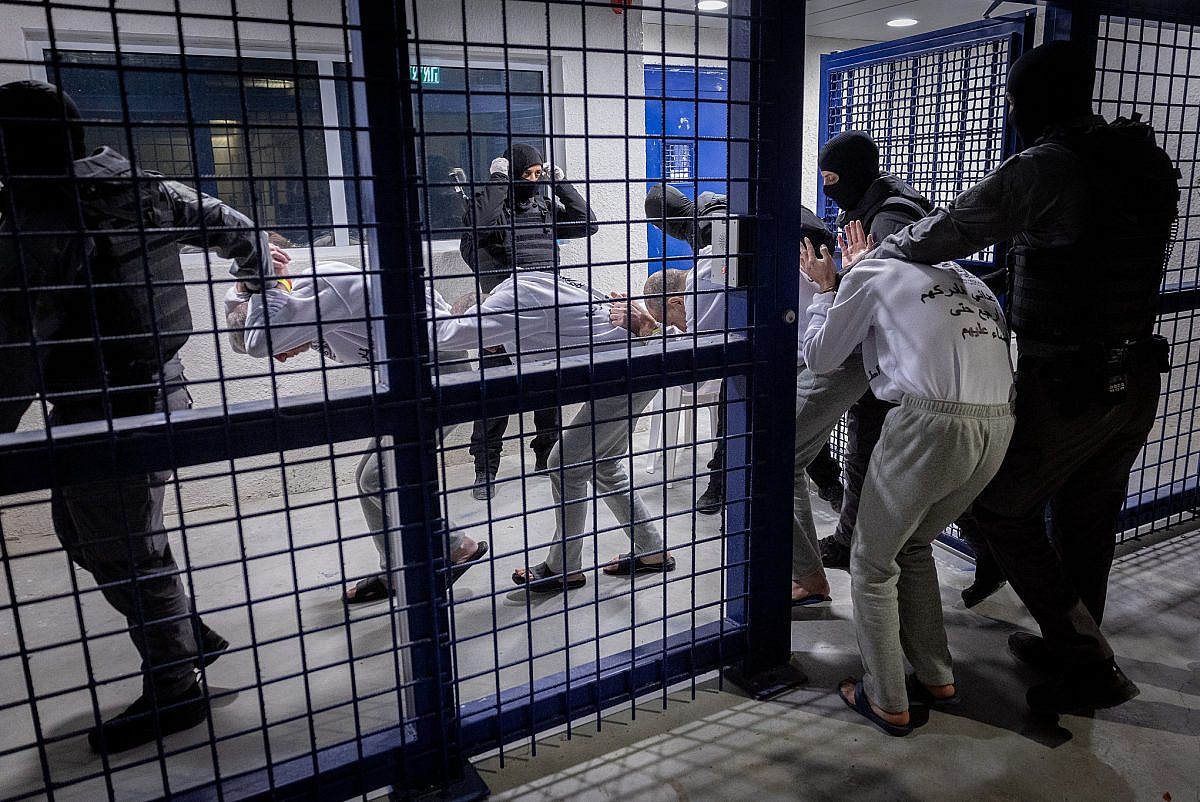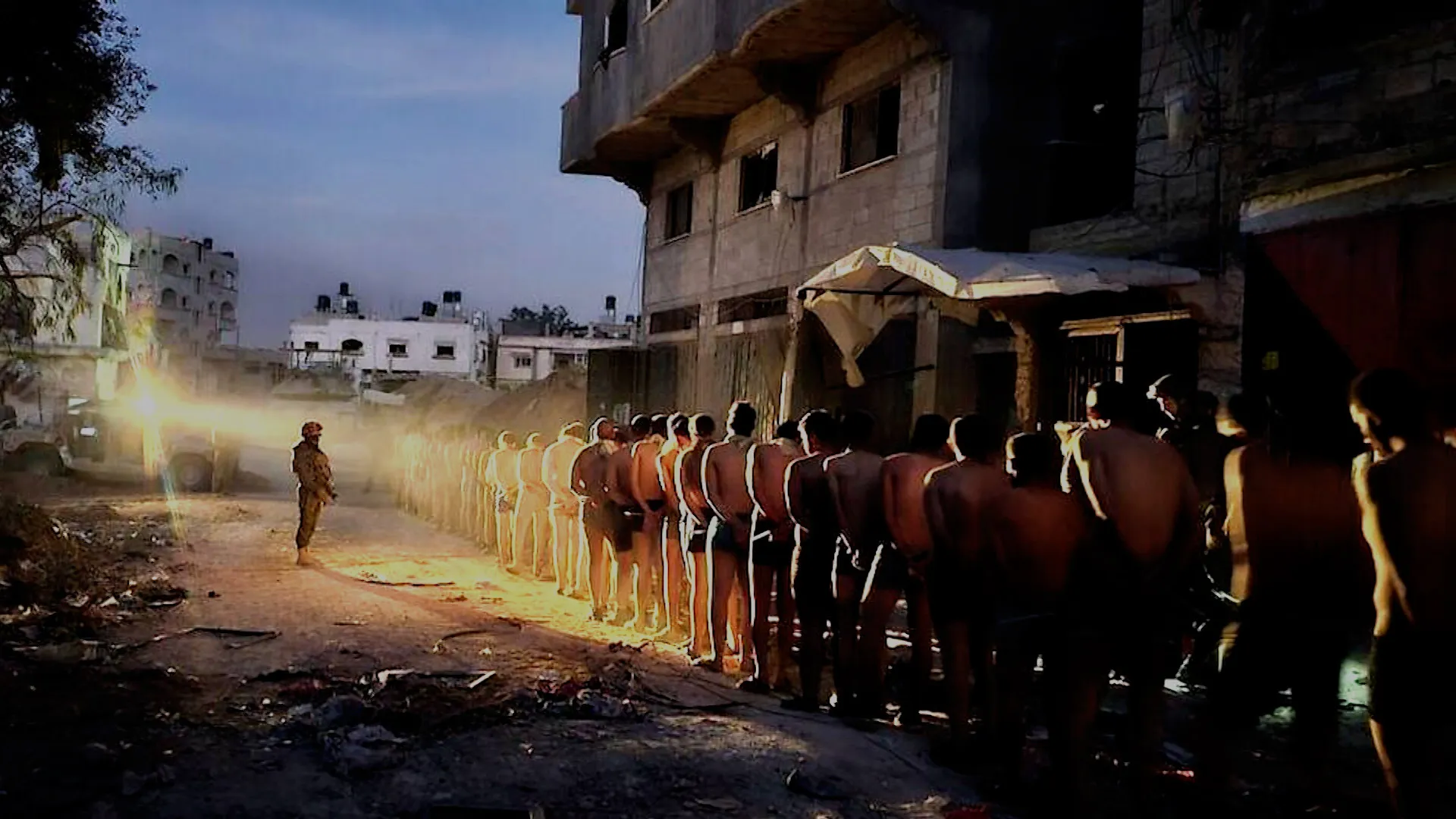
By the time international treaties were drafted, after the world witnessed what humanity is capable of inflicting upon itself, certain acts were marked as absolute red lines. Rape. Sexual assault. Coercive nudity. Sexualized humiliation. Crimes that strip the human being down to their rawest vulnerability. Crimes that, when committed systematically, are defined as crimes against humanity. Yet inside Israeli detention centers, according to survivors, doctors, lawyers, and human rights organizations, these red lines have not only been crossed; they have been erased. 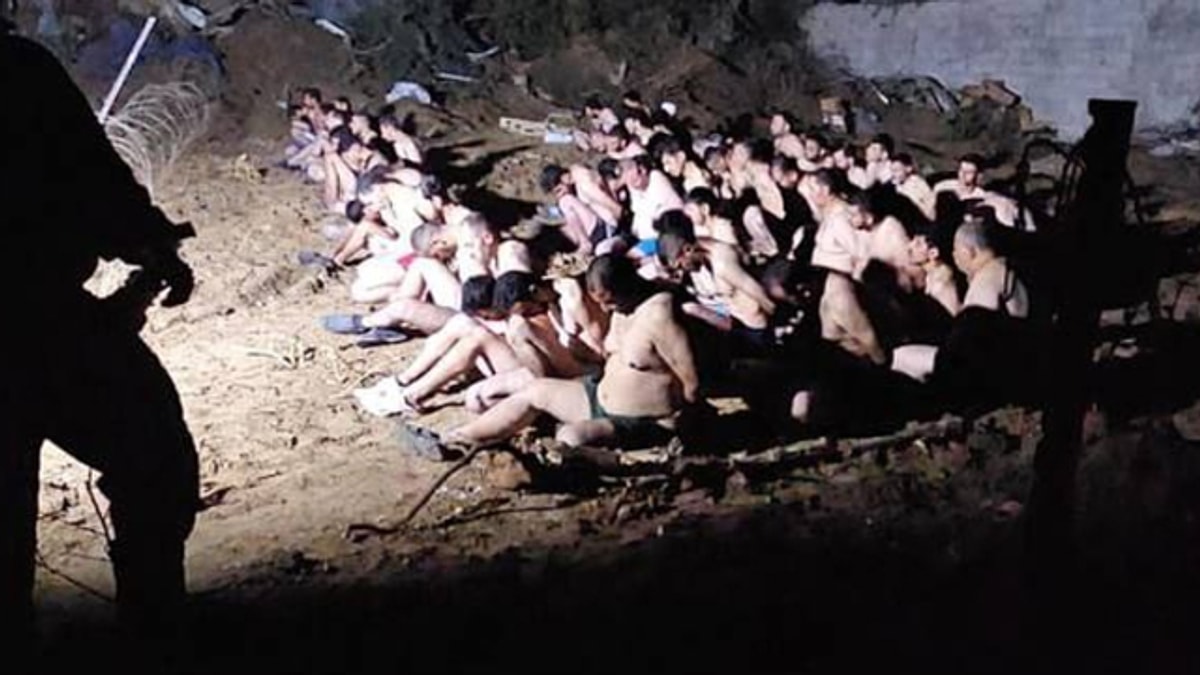
A System Hidden Behind Walls and Cameras That Never Ran
When Canada-based broadcaster Samira Mohyeddin asked anti-Zionist lawyer Ben Marmarelli about the leaked rape video at Sde Teiman camp, he did not mince words. “They rape all prisoners in Sde Teiman,” he said. For him, the case that surfaced publicly was not a revelation; it was a scapegoat. “If there had been cameras running 24/7, the world would have seen that rape and torture are routine.” According to Marmarelli, once one case was exposed, Israeli authorities moved quickly to isolate it, turning the accused soldiers into symbols of national sacrifice.
“They rape all prisoners in Sde Teiman.” -Ben Marmarelli
His statement aligns with a growing body of testimonies gathered from Gaza detainees released during brief pauses in the war, testimonies that describe sexual violence not as an aberration but as policy.
The Doctor Who Treated the Evidence
At Shuhada’a Al-Aqsa Hospital, intensive care and anesthesia specialist Dr. Ezeddin Shaheen unexpectedly began receiving former detainees after the current truce began. “Since the start of the truce, I treated six or seven patients who later told me they had been raped by Israelis,” he told Quds News Network. “They did not come to me for treatment related to rape; they came for other medical issues. I received this number even though I am not specialized in treating released detainees. But during examination, the truth emerged.” He also documented injuries from dogs, wooden sticks, and, horrifically, an electric drill. “They used a drill on their bodies, hands, and heads. There were holes.” He stresses that this torture is systematic, not incidental. 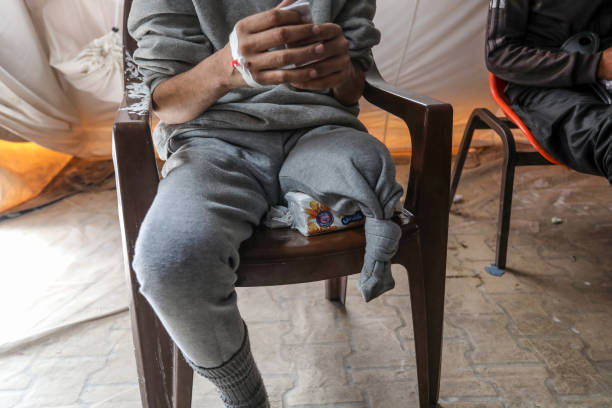
Breaking the Human Spirit: A Pattern of Sexual Torture
The Palestinian Center for Human Rights has been documenting these testimonies for months. Patterns appear again and again: rape, gang rape, forced nudity, penetration with objects, sexual threats, and attacks involving trained dogs. These are not random acts. Survivors describe a coordinated system designed to break the will of detainees, forcing them into complete submission; body and soul. A United Nations investigation reached the same conclusion: Israeli soldiers raped at least two detained women from Gaza and subjected others to sexual harassment and sexualized torture. Inside these secretive facilities, especially Sde Teiman, Anatot, and Negev, survivors describe a machinery of degradation that operates with clinical precision. Released prisoner Khaldoun Barghouti described the first days of the genocide in the Negev prison as a scene of mass nudity, mass beatings, and dogs attacking detainees. He said Israeli minister Itamar Ben-Gvir even walked on the chests and heads of naked prisoners. “Stick rape, using wooden or iron sticks, became common,” he said. Ben-Gvir later boasted on X: “I saw what pleases me in the Negev prison.” Palestinian journalist Sami Al-Saei endured beatings, forced stripping, and penetration with sticks.
“Once it becomes policy, it turns every detainee into a target.” -Dr. Alaa Al-Froukh
“I couldn’t sit, stand, or walk normally. They made me kneel naked with my face on the floor.” His psychological trauma lasted long after his release.
The Psychology of Silence
Psychiatrist Dr. Alaa Al-Froukh, the former president of the Jordanian Psychiatric Association, explains that many survivors do not speak immediately because sexual torture carries deep social stigma, and the trauma itself triggers avoidance, flashbacks, and dissociation. Reliving the experience, even in words, can feel like being assaulted again. “Victims often hide it. They try to erase it from memory. The shame is not theirs, but society places it on them,” he said. He warns that when such torture becomes systematized, it serves one clear purpose: to provide institutional cover for soldiers who might otherwise hesitate. “Once it becomes policy,” he said, “it turns every detainee into a target.”