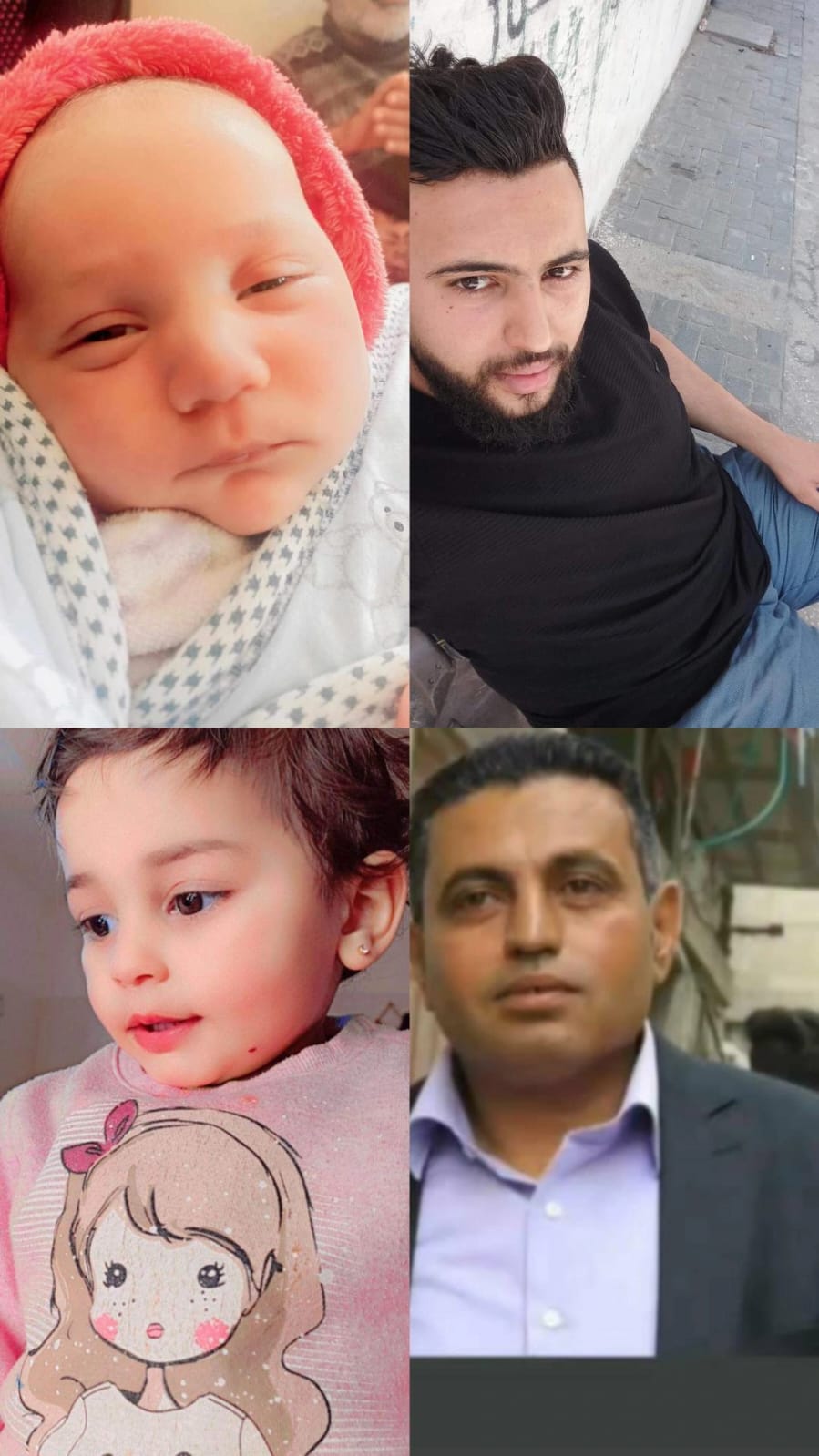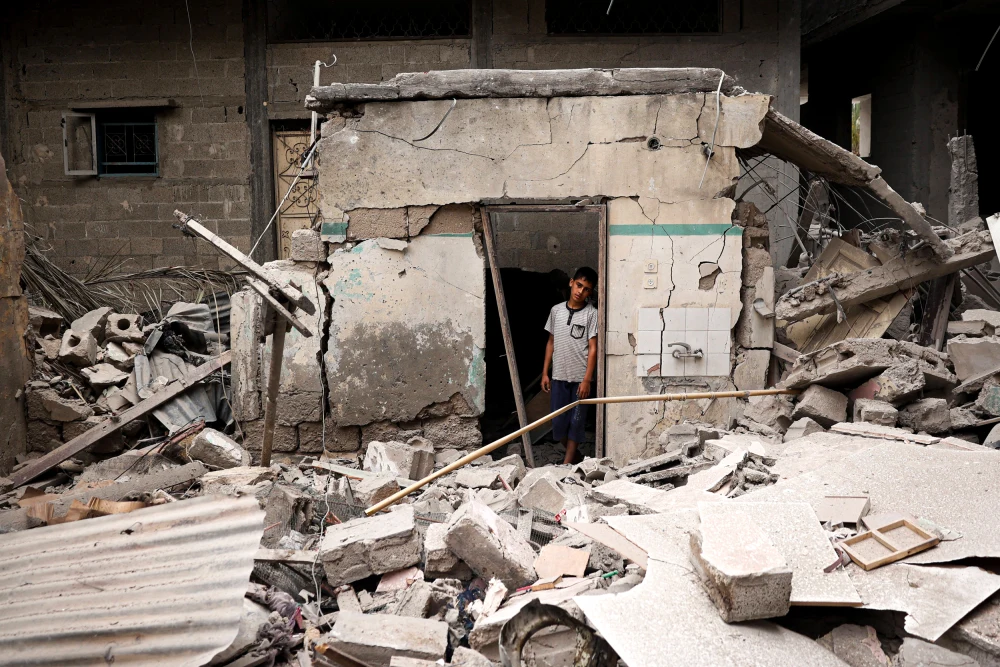
They were just a stone's throw from home, a few hundred kilometers marked on the map of their longing. In their bag, they carried the simple artifacts of a life ready to resume; in their hearts, they counted the days until they could feel their mother’s embrace again, until her voice, the very sound that once soothed the dawn, would wake them. But war is a thief that comes before the journey’s end. It left them alone in a world that grew vast and silent, where the names of their loved ones no longer reached them through the air but from the cold glow of a screen, a chorus of ghosts in the digital ether. They are what they call ‘survivors’, yet they have become refugees in the wreckage of their own memories. Their citizenship now relies on recent photos and fading letters. They must learn to live with two devastations: that the house which held their childhood is now just rubble, and that the family that once waited for them no longer does. Their waiting is over; this has only just begun, an eternal vigil for a past that can never be reclaimed. This is the story not of those who died, but of those who were left, those whose bodies were saved while their souls were utterly lost. We try to understand the architecture of a life after the world that gave it meaning has been erased. How does the soul continue its journey when its compass is broken?
Within just twenty-four months, the Gaza Government Media Office estimates that more than 2200 Palestinian families have been "completely erased" from the civil registry in Gaza, meaning all their members have been killed. Additionally, other data indicate that over 5,120 families have lost all their members, leaving only one survivor, and more than 9,351 children have been lost. Only the family units remain after repeated attacks on residential areas. This number is more than just a census; it's an open wound in collective memory, holding thousands of photos that were never taken and names that will no longer be spoken. The Ministry of Health in Gaza reported in its daily update that since the start of the Israeli genocide, the number of victims has risen to 42,519, with about 99,600 Palestinians injured, many suffering from severe trauma and life-threatening conditions.
Outside Gaza: Yousef Radwan, a dental student in Egypt
How did you know that? What was your reaction when you found out about your family's martyrdom? The news of the martyrdom reached me at nine in the evening. In my apartment in Egypt, a phone call from my cousin, Abdel Hadi, shattered my world. He first told me about the martyrdom of my father, Yasser Radwan, my beloved, my support. Then he spoke of my mother, Aida Abu Al-Jidyan, my soul, my heartbeat. Hearing it alone broke me completely. Remembering it now takes me right back to that panic, that uncontrollable burst of fear. Waking from the shock and refusing the bitter truth, I could not forget my beloved brothers, part of my very soul. Where were they? I began to ask, fearing the worst. For hours, the news was vague: they were okay or had minor injuries. My thoughts were merely distractions. Then, hours later, overwhelmed with pain and regret, I discovered the ultimate truth: they had all been murdered. Hala, Sama, Rima, Ahmed, Maryam, and Ammar. 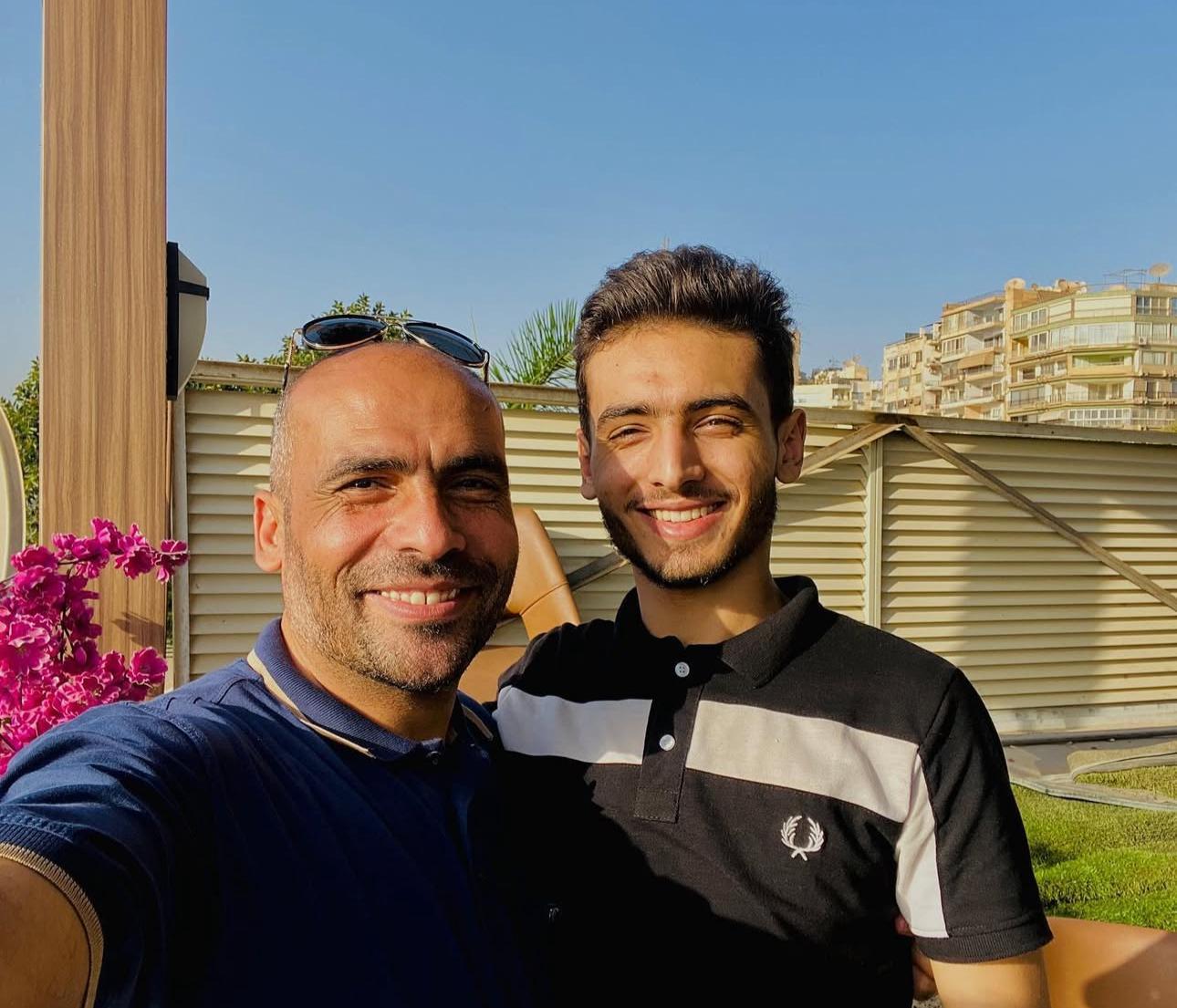
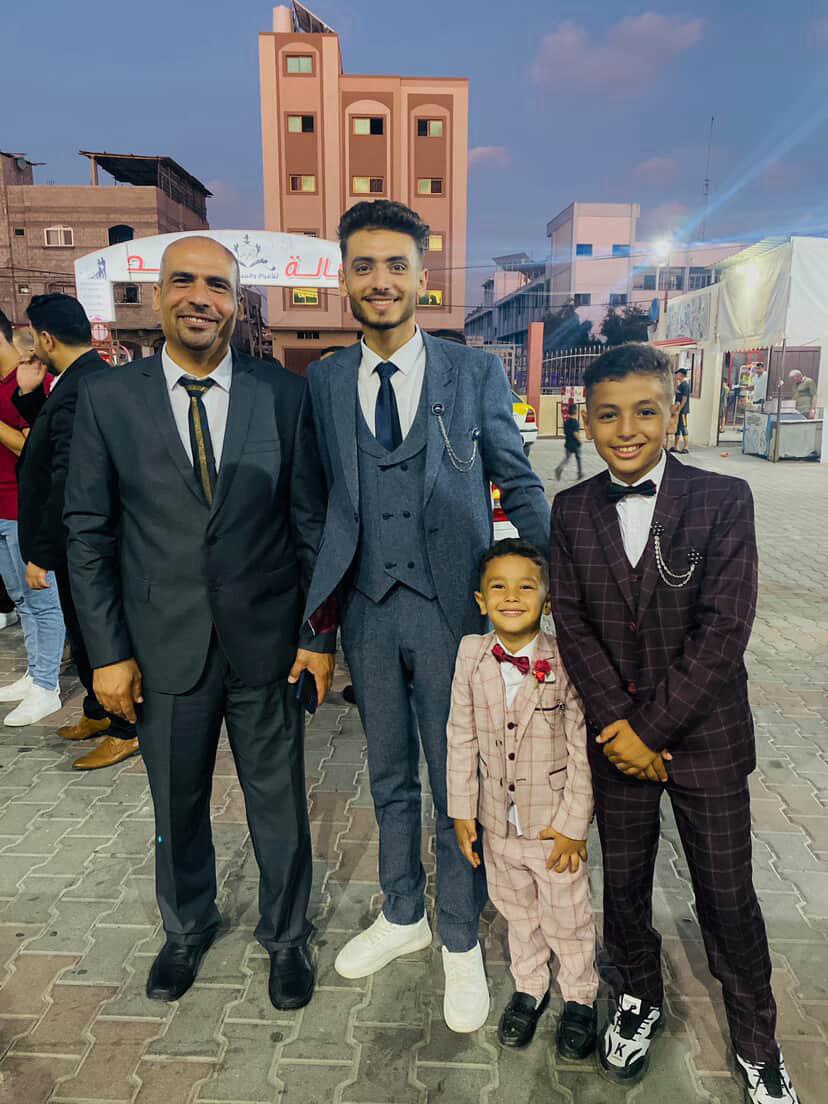
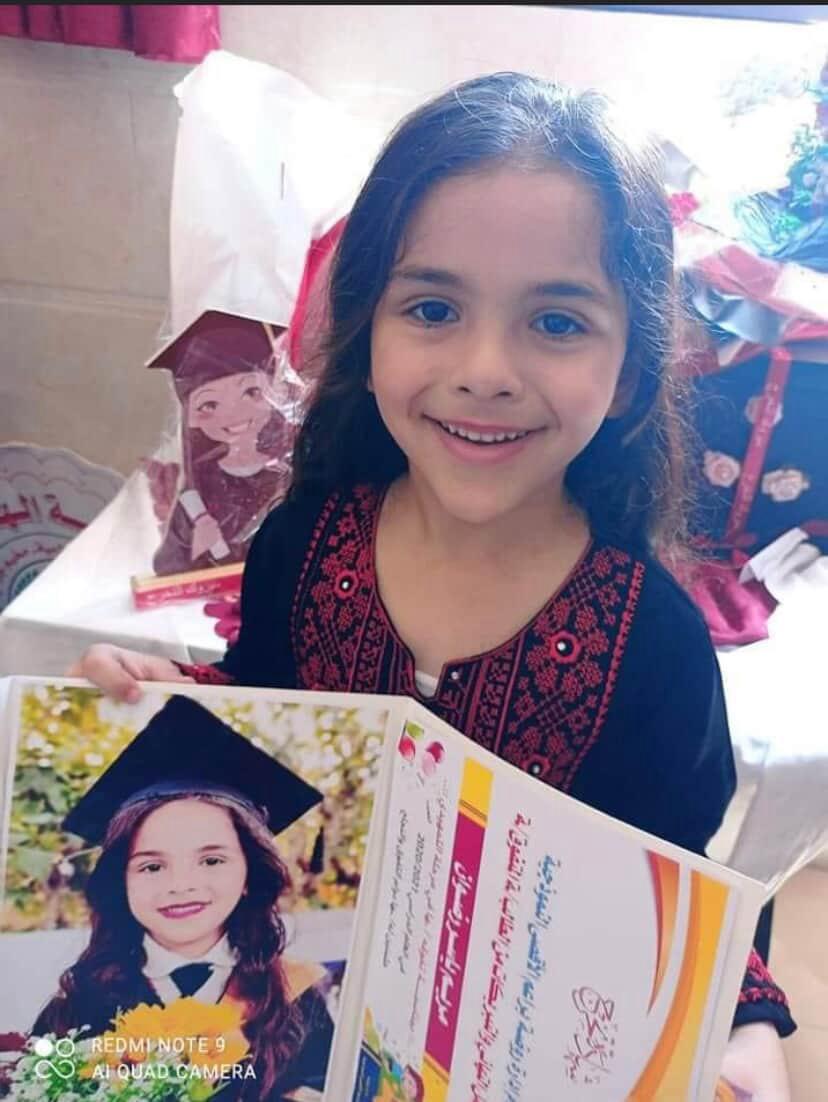
In wars, no one truly survives. Some leave with their bodies, others are left with their souls hanging on the ruins of destroyed houses. Lone survivors don’t celebrate just surviving; they learn each day to live with half a heart and keep walking in a world that has lost its shape. They hold onto images of loved ones in their memories as protectors of life, waking each morning with an unanswered question: Why me? Yet they move forward because deep down, there is a small thing called hope that refuses to die, even in the darkest and most barren places. Being a survivor doesn't mean you're outside Gaza or beyond the reach of war. For many, survival is a divine fate written in dust and rubble, a second chance at life that often leaves one completely alone. An entire family, a whole world, has been murdered. What endless agony rests in the chest of someone who inherits such silence? It is the weight of an entirely vanished lineage carried by a single, broken heart. This is not escape; it is a continuation of suffering within a prison of memory. Survivors Inside Gaza: Mahmoud Abu Saif In the broken heart of Gaza, at Al Maghazi camp, a home became a tomb. Mahmoud lost everyone: mother, father, brothers, sisters, the whole family constellation, all wiped out in a single blast. By a fate he believes is from God, he alone was pulled from the rubble. He scrambled for an ambulance, calling out for his wounded father and brother, but found only silence. Returning seven days later, he saw the final, brutal chapter: they were gone, and the ruins had been bombed again. From this abyss, a deep emptiness took root, fostering a stark independence. Though his relatives try to ease the weight of his new responsibilities, the true burden remains inside. He keeps their faces on his phone, a portable shrine where a glance brings a sharp ache and an hour of silent remembrance, as Mahmoud mentioned. Yet, what sustains him is the indelible echo of their love, his mother’s voice, his brothers’ laughter, a chorus forever lodged in his soul. He is driven by a vow to become someone they would be proud of, feeling their presence as a gentle push forward. Now, living with his mother’s family after their displacement, he works as a financial manager, aiming to reflect their will and protect their legacy. Every step highlights their kindness and the core values they instilled in him, with each small success a blessing, a dream of theirs kept alive through him.