Palestinian Israelite Resistance Fighter Nader Sadaqa Freed After 21 Years in Israeli Detention
Palestinian Israelite Samaritan and former commander of Abu Ali Mustafa Brigades, Nader Sadaqa, walked free today after more than two decades in Israeli detention centers. He was freed by Hamas in the latest prisoner exchange deal with Israel, a deal that traded 48 Israeli soldier prisoners for nearly 2,000 Palestinian abductees.
Sadaqa, 47, is one of the most remarkable figures in the history of the Palestinian detainees’ movement. Born in Nablus in 1977, he grew up on Mount Gerizim, a sacred site for the Samaritan community, and became known for uniting his deep religious roots with a strong Palestinian national identity.
From Mount Gerizim to the Battlefields
Nader Sadaqa studied history and archaeology at An-Najah National University in Nablus. His passion for Palestine’s past soon became part of his political awakening. He joined the Popular Front for the Liberation of Palestine (PFLP) as a student activist, then rose to become a local commander in its armed wing, Abu Ali Mustafa Brigades, during the Second Intifada.
Known among his peers for discipline and intellect, Sadaqa led several resistance operations against Israeli military checkpoints, including the operation at the Hamra checkpoint in the Jordan Valley. In 2004, after a two-year manhunt, Israeli forces detained him in Ain Camp near Nablus.
An Israeli military court sentenced him to six life terms and 45 additional years, accusing him of leading resistance operations against Israeli soldiers. During interrogation at the notorious Petah Tikva detention center, Sadaqa endured months of psychological and physical torture but refused to confess.
“The Rebellious Samaritan”
Sadaqa’s story shattered Israeli stereotypes. For decades, Israel presented the tiny Palestinian Samaritan community (fewer than 800 people worldwide) as an example of “peaceful coexistence” with the occupation. But Sadaqa, a Palestinian Samaritan who chose resistance, turned that image upside down.
Israeli officials labeled him “the evil Samaritan,” while Palestinians saw him as proof that national belonging transcends religious boundaries. Israel repeatedly refused to release him in earlier prisoner swaps, fearing his story would inspire others.
For his community, Sadaqa became both an outlier and a symbol. He showed that even a man from one of the world’s smallest religious minorities could play a historic role in the broader Palestinian struggle for freedom.
The Thinker Behind Bars
Inside prison, Sadaqa earned a reputation as “the thinker.” He transformed his cell into a classroom, lecturing fellow inmates on Palestinian history, identity, and resistance. He wrote essays that circulated secretly through Palestinian newspapers and human rights reports, urging unity among factions and calling education “a form of resistance.”
Despite years of solitary confinement, he stayed optimistic. He often told other detainees, “Freedom is not a gift; it’s a truth waiting to be realized.”
Hamas Frees Sadaqa
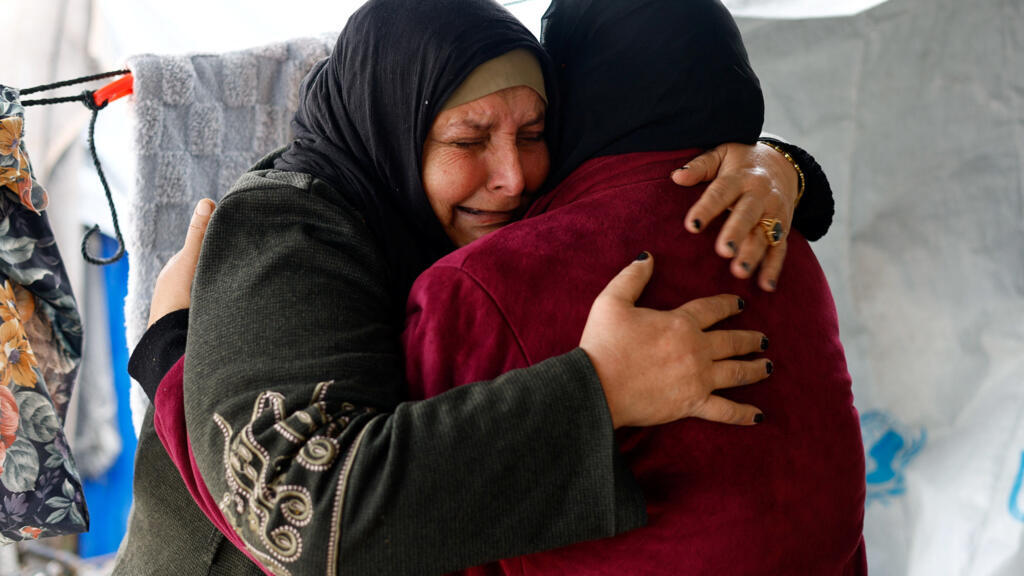
After 21 years behind bars, Nader Sadaqa’s name finally appeared on Hamas’s list of Palestinian detainees expected to be released in the “Flood of the Free” prisoner exchange deal. His family in Mount Gerizim described the moment as “a miracle after endless waiting.”
However, Israeli authorities have reportedly barred him from returning to his home in Nablus, planning instead to exile him outside the West Bank, in an attempt to erase his symbolic presence.
Palestine’s Smallest and Oldest Faith
The Palestinian Samaritan community is an ancient Palestinian religious group and one of the oldest in the region. It differs from other Jewish groups in its belief that Mount Gerizim, not Jerusalem, is the sacred site. The Samaritans preserve the oldest known version of the Torah, estimated to be about 3,646 Hebrew years old, forming an essential part of Palestine’s diverse and interconnected spiritual history.
The Samaritan faith is the smallest religious community in the world. Its members are based on the summit of Mount Gerizim, also known as Mount Al-Tur, in the Palestinian city of Nablus. Scholars believe they are the true descendants of the ancient Israelites who came to the Holy Land after the Exodus from Egypt and forty years of wandering in the Sinai Desert. The word “Samaritan” means “the keeper,” and the community believes it possesses the original Torah of the Israelites, unaltered and pure. They reject being labeled as Jews and insist they are the true followers of Prophet Moses.
Today, the Samaritans number about 785 people; around 385 live on Mount Gerizim, while about 400 reside in the city of Holon inside the occupied Palestinian territories, where they moved more than a century ago seeking better economic conditions. The community maintains close relations with other Palestinians in Nablus, sharing the same local dialect, social customs, and economic ties.
The Samaritans see themselves as an integral part of the Palestinian people and reject being identified as Jews. In recognition of their status, the late Palestinian leader Yasser Arafat granted them a seat in the Palestinian parliament in 1996. The community faces harassment from the Israeli occupation, which divides their residential area on Mount Gerizim into zones (A, B, C). Israeli authorities also close off their sacred sites, known as the “Fortress of the World”, and conduct archaeological excavations there in an attempt to erase evidence of Mount Gerizim’s sanctity to the original Israelites rather than Jerusalem.