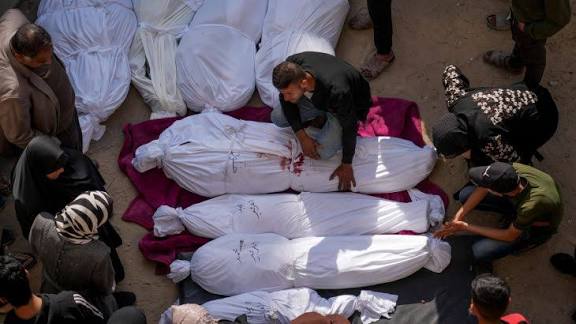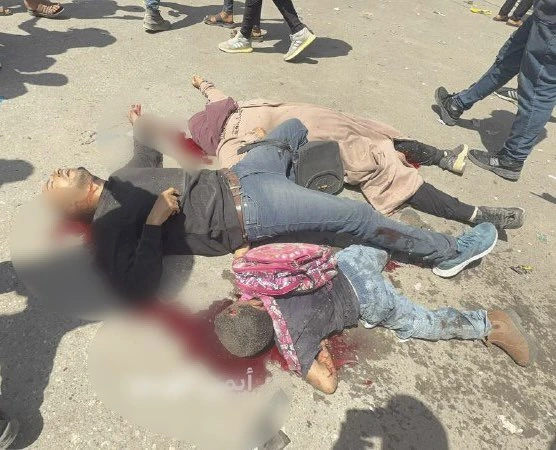
Israel's violence didn’t end there. Additional airstrikes targeted other parts of Gaza, including Tal al-Hawa and Al-Tuffah neighborhoods. Among the victims was journalist Yahya Sabih, killed just hours after another journalist, Nour al-Din Matar, died in a separate attack. Since the beginning of Israel’s offensive in October 2023, 214 journalists have been killed.
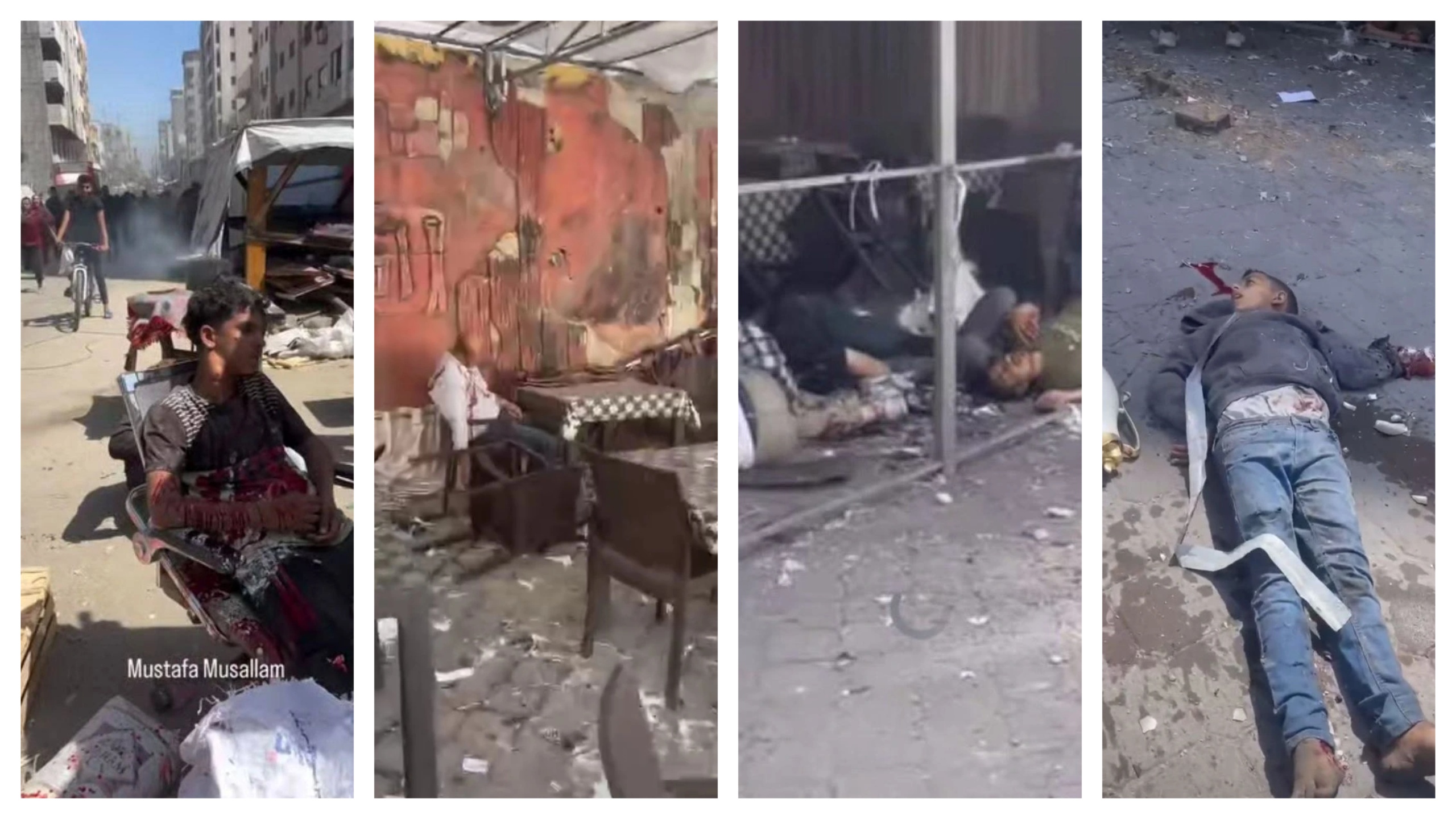
Hamas resistance movement condemned the attack as a "barbaric massacre," stating that Israel is pursuing a systematic policy of genocide. The movement called for urgent international action to stop the violence and hold Israeli leaders accountable for their actions. “This is part of a larger strategy to break the will of the Palestinian people through mass killing, starvation, and siege,” they said.
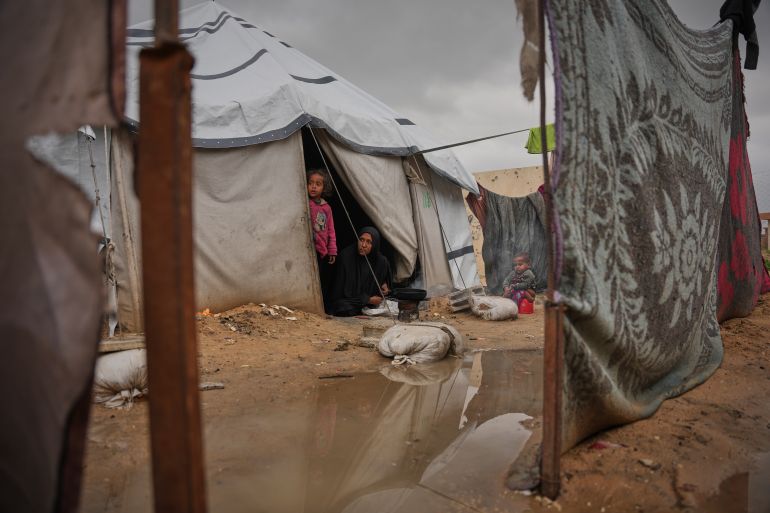
The latest attack follows a series of bombings, including the targeting of schools housing displaced families, such as the Abu Ihmisa School in Al-Bureij Refugee Camp, which left 29 dead and over 50 injured. As children played in the courtyard of the overcrowded school serving as a shelter for displaced families, Israel launched a heavy missile attack on the area.
Shortly after the initial attack, Israel informed displaced families of its intention to target Ibad Al-Rahman Mosque, located near Abu Hamisa School. In response, some families tried to evacuate the area surrounding the mosque. However, the Israeli military then struck both Abu Hamisa School and another nearby school where many had sought refuge.
Gaza’s medical teams are facing a catastrophic situation, forced to prioritize care due to shortages of medicine and equipment. The destruction of civilian infrastructure and targeting of shelters, hospitals, and schools amounts to war crimes and genocide, according to international experts. The world’s failure to act has resulted in daily carnage, leaving Gaza’s civilian population at grave risk.