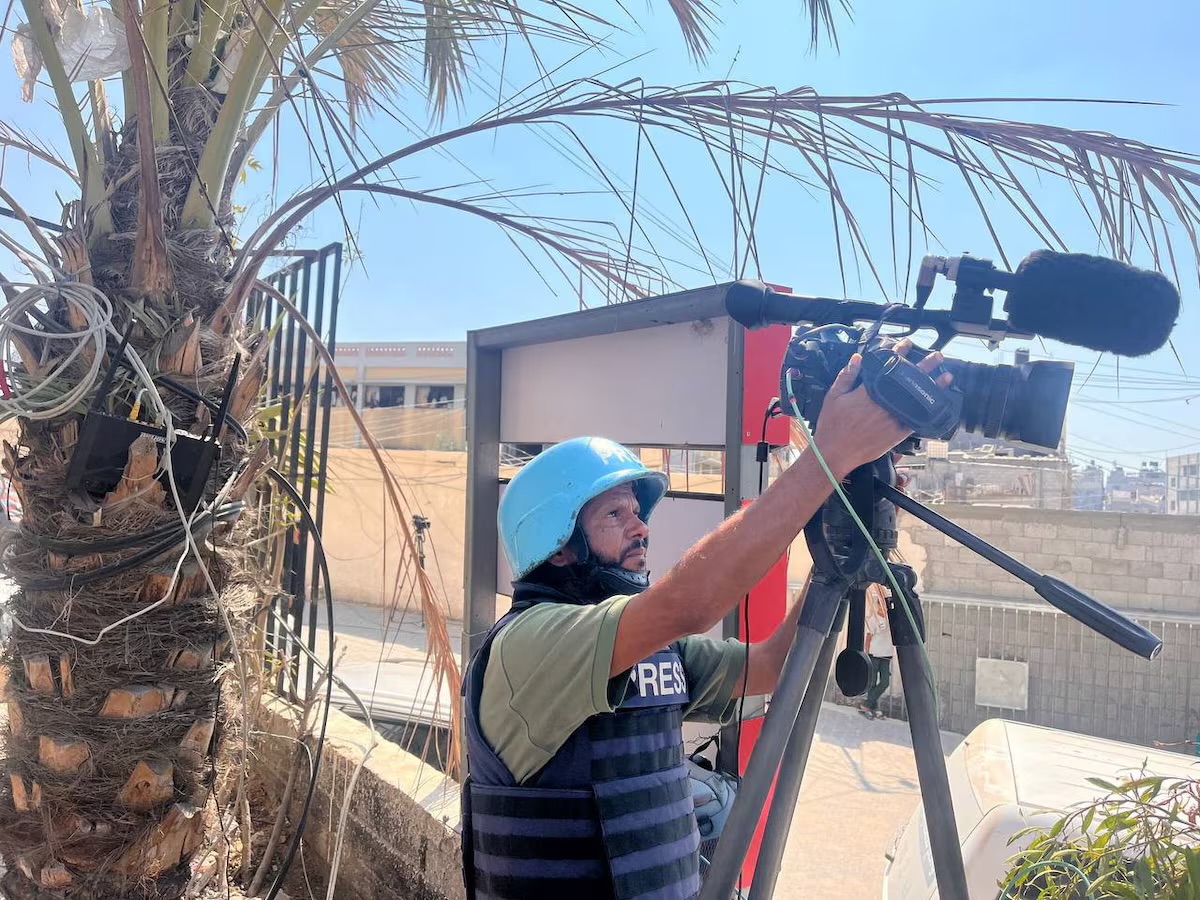
Israel Justified Gaza’s Nasser Hospital Strike Over Alleged Hamas Camera, Probe Reveals It Belonged to Reuters Journalist
Also Read

News
Italy Summons Israeli Ambassador After Israeli Humiliates and Interrogates Italian Police in West Bank
Italy has summoned Israel’s ambassador after an Israeli settler in the West Bank forced two Italian police officers to kneel at gunpoint and interrogated them, raising serious diplomatic tensions.
News
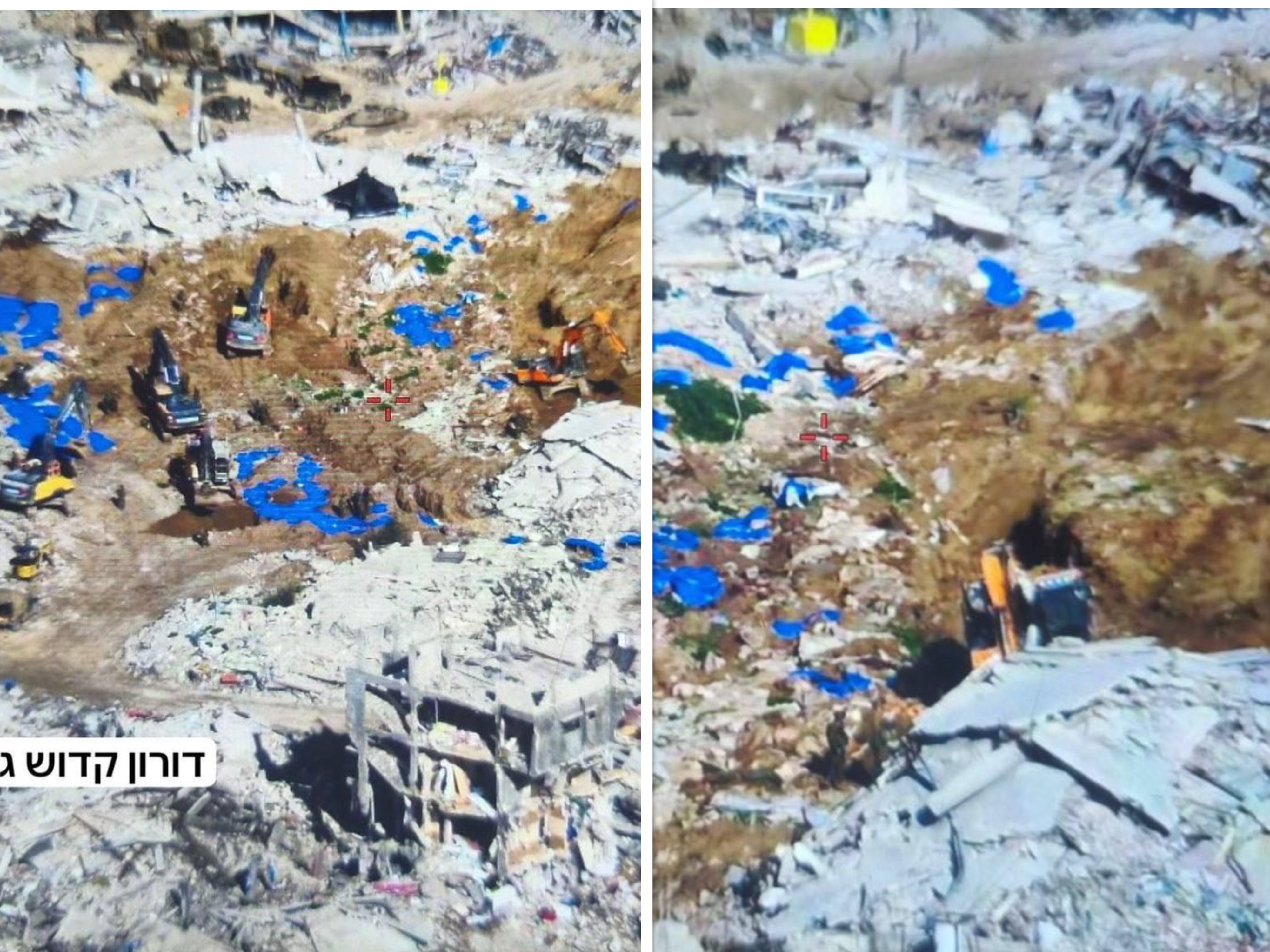
Israel Confirms Recovery of Body of Last Israeli Soldier Prisoner in Gaza After Three Weeks of Stalling
Israel confirmed the recovery of the last Israeli soldier prisoner’s body from Gaza, while the IJ resistance faction says mediators received the exact location three weeks ago and Israel intentionally stalled the process.
News
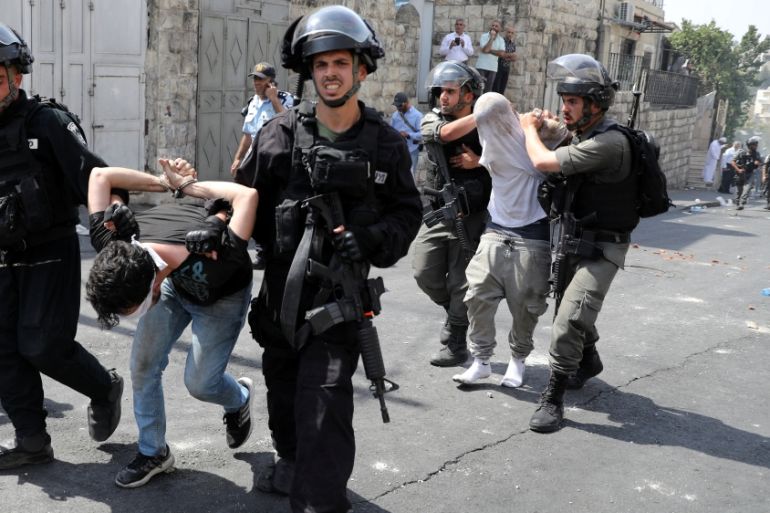
Israeli Soldier Staged Fake Kidnapping to Extort Money From Palestinian Family
Israeli human rights group B'Tselem's executive director, Yuli Novak, said: “The Israeli regime has turned its prisons into a network of torture camps for Palestinians, as part of a coordinated onslaught intended to destroy Palestinian society as a collective.”