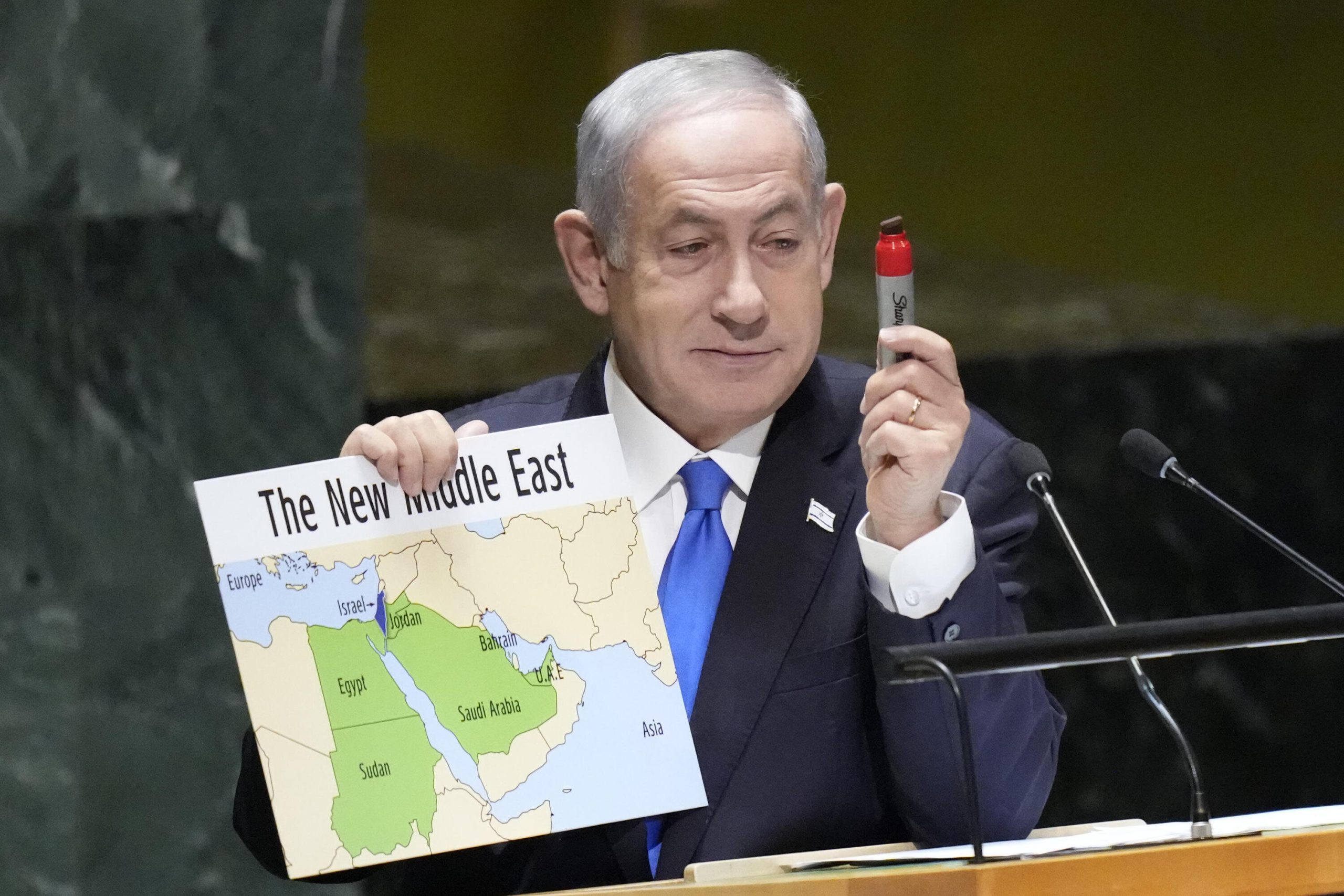
By Mohammad Alqeeq“It (Israel) certainly is a small country in terms of land. See this pen, this wonderful pen? My desk is the Middle East. And this pen, the top of the pen, that's Israel. That's not good, right? It's a pretty big difference... It's a pretty small piece of land."
This statement captures the mindset that has shaped the Israeli government’s approach for decades. It reflects the ideological roots behind its expansionist ambitions; an approach strongly linked to the so-called “Deal of the Century” announced by US President Donald Trump during his first term.
The Rules Have Changed
Since its establishment in 1948, built on the ruins of Palestinian homes and the bodies of innocent civilians, Israel presented itself as a democratic state, one committed to peace treaties with its neighbors. But beneath that image lay the driving force of Zionism, a movement rooted in colonization and control.
As global dynamics evolved, so did Israel’s ambitions. It moved from a defensive stance to an offensive strategy, seeking to expand and consolidate power at the expense of Palestinians and neighboring Arab states.
In 1967, under the pretext of war with Arab nations, Israel extended its military presence into Lebanon, Syria, Egypt, and the West Bank. That war didn’t just shift borders; it rewrote the rules of the game. Israel, once isolated, began planting the seeds of a long-term plan based on religious myths and fabricated historical claims.
The strategic goals were threefold:
To reinforce its narrative of legitimacy and existence.
To establish a posture of deterrence and fear among neighbors.
To attract Jews from around the world by presenting Israel as stable, prosperous, and self-sufficient, no longer reliant on US protection.
This ideology now defines Israeli policy, making the resolution of the conflict more elusive than ever.
A Bloody Peace
Driven by supremacist ambitions to displace Palestinians and threaten surrounding countries, Israel’s expansionist project needed a cover. That cover came in the form of the US-led “peace process,” which aimed to contain the Palestinian issue and normalize Israeli settlements without real accountability or limits.
Subsequent Israeli governments accelerated settlement construction across the occupied West Bank, building vast infrastructure networks on land designated for a future Palestinian state.
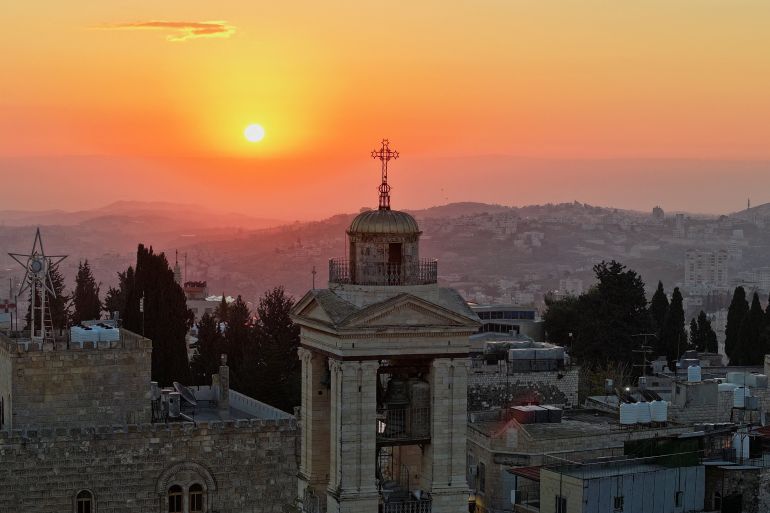
The eastern part of Jerusalem also fell under increasing Israeli control. Its policies toward holy sites such as Al-Aqsa Mosque and the Church of the Holy Sepulchre reflect a clear intention to Judaize the city and erase its native Palestinian and Islamic-Christian identity.
These moves triggered the Second Intifada and escalated tensions, resulting in widespread destruction, thousands of casualties, and a prolonged period of instability. Rather than pursue peace, Israel exploited the Oslo Accords as a diplomatic shield, signing them without any genuine intent to allow Palestinian sovereignty.
Expansion became a non-negotiable goal, regardless of cost or consequence.
Reality or Wishes?
The most dangerous aim of Israel’s leadership is to eliminate the possibility of a sovereign Palestinian state and strip Palestinians of their internationally recognized rights.
To test global reaction, Israel frequently leaks or promotes news of annexation and expansion plans, gauging feedback before taking further steps. But the landscape has changed.
Over the past 20 months, the Israeli military assaults, particularly the genocide in Gaza, have weakened Israel’s ability to enforce its agenda. The Palestinian resistance has exposed Israel’s war crimes and dismantled the credibility of its propaganda machine, despite Israel’s powerful international reach.
Military and political analysts warn that Israel’s continued expansion over Arab territories, especially those designated for a future Palestinian state, could ignite unpredictable regional and global consequences.
There are now two clear options for the region:
Return to international law and establish a sovereign Palestinian state based on the 1967 borders.This option aligns with Hamas’s revised 2017 charter, which accepted a state within those borders. A return to legal norms would open the door to lasting peace, stability, and prosperity.
Pursue expansion, as envisioned by Netanyahu and his far-right allies.This choice, encouraged by Trump’s inflammatory rhetoric about Palestinian displacement, would fundamentally alter the region’s strategic landscape and threaten global stability.
A Double-Edged Sword
Israel’s current government appears to favor the second option. It believes expansion will reassure Israeli society, attract foreign investment, and restore deterrence. But will it?
Or will it lead to the collapse of the Israeli project itself, especially if Netanyahu launches further attacks on Syria and Lebanon in pursuit of this vision?
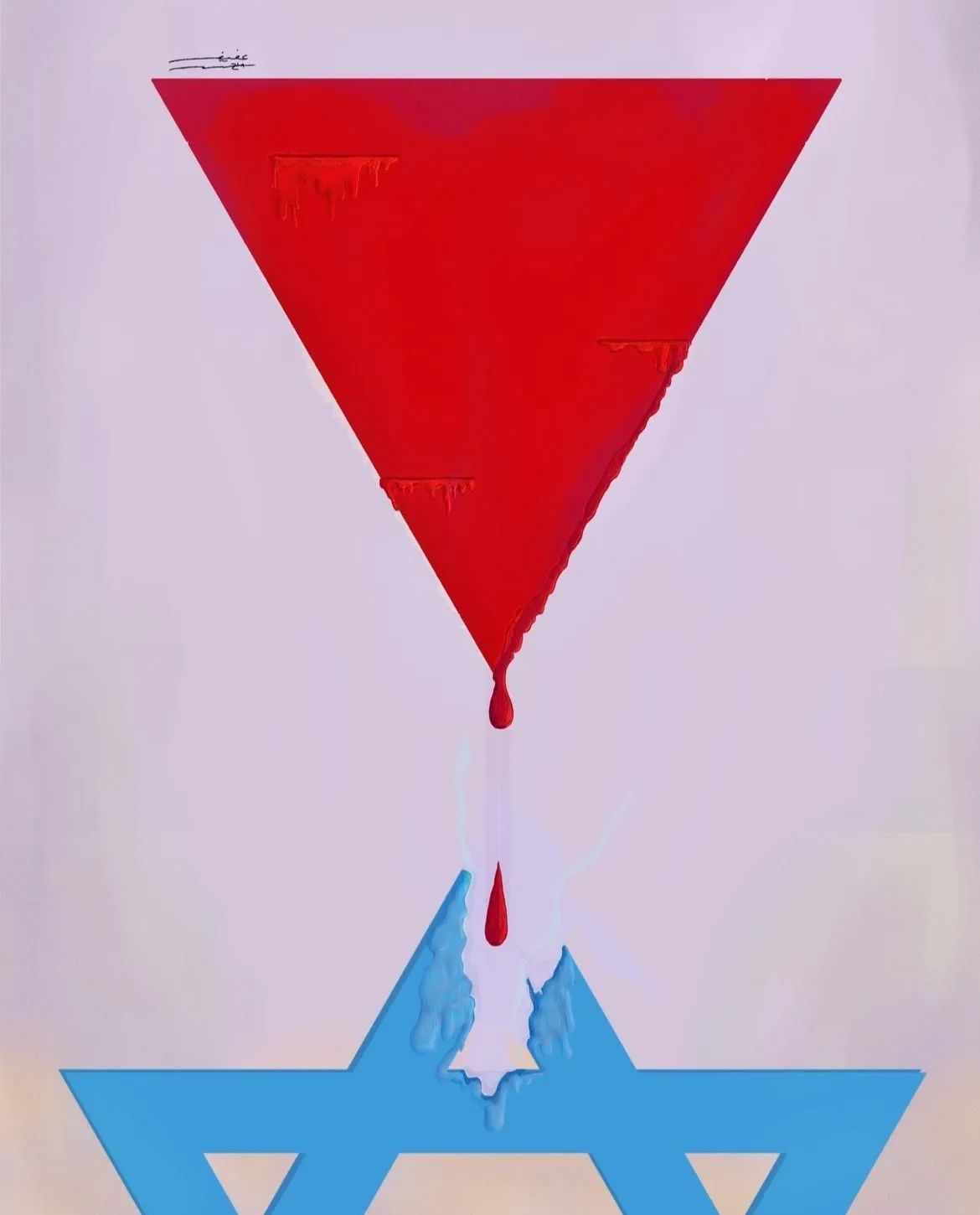
Al-Aqsa Flood operation shattered four pillars of Israeli security doctrine:
Israeli society lost faith in its once-vaunted army after its failures against Hamas fighters.
Its air defense systems were discredited following their inability to stop Iranian retaliation.
Its narrative control collapsed, as the genocide in Gaza exposed its true intentions.
Israel’s deterrence doctrine suffered a major blow with the failure of its air defense force. Once seen as a symbol of technological superiority, it now faces widespread criticism and has become a liability, undermining rather than reinforcing its strategic image.
Now, Israel stands at a crossroads. Its occupation of new territories in Syria and Lebanon has stirred regional anger, and retaliation may be imminent. Before the region erupts, Israel must choose its path; a path that may lead either to stability or to its own undoing.
The Middle East is on the verge of transformation. Rising tensions, regional resistance, and a new wave of mobilization may ignite a broader religious and political conflict centered around the liberation of Palestine.
This is a watershed moment for all sides. The choice between war and peace is no longer theoretical, it is existential.
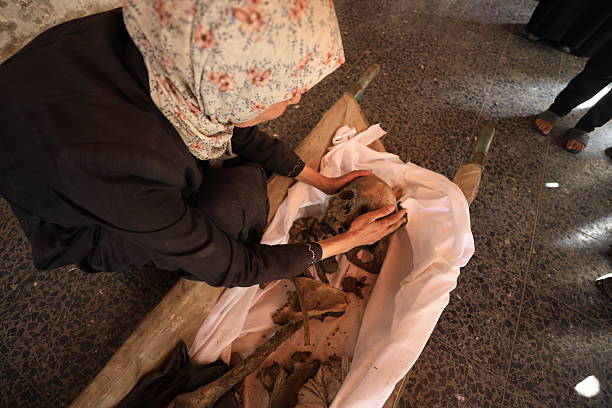
Everyone said it was her son.
The clothes matched. The house key was his. The body was unrecognizable, but the story made sense.
But when she stood in front of what was left of him, she didn’t cry.
She looked at the teeth—and whispered:
"These aren’t my son’s."