In Pictures: What We Know About the Severe Signs of Torture on Palestinian Detainees Bodies Released by Israel
Gaza (QNN)- Over the past week, Israel has released the bodies of 150 Palestinian detainees, most of whom remain unidentified. Many of the bodies show signs of severe torture, suggesting they were subjected to abuse by Israeli forces before their deaths.
The Palestinian Health Ministry confirmed it delivered the bodies of 150 detainees held by Israel over the past week in batches as part of the Gaza ceasefire deal.
How Families Identify Their Sons?
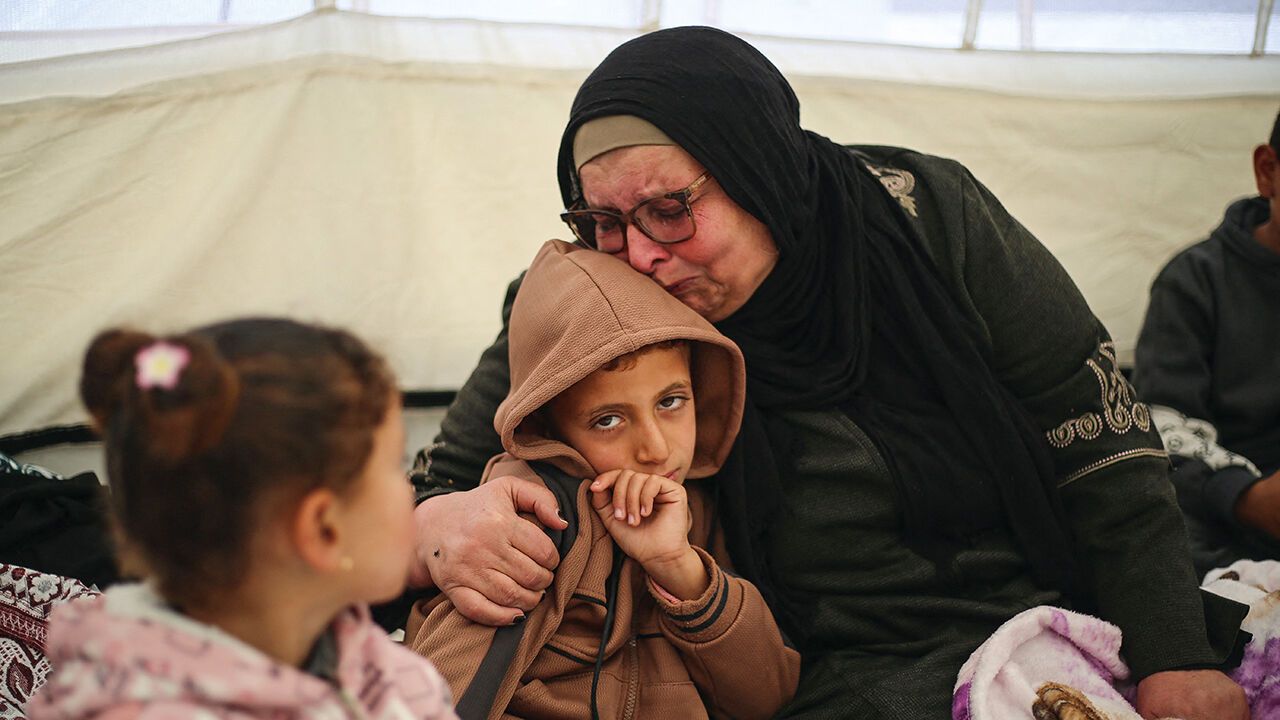
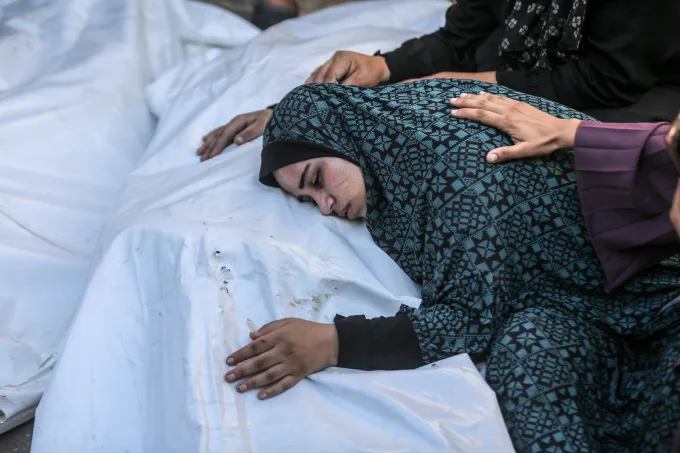
Israel returned the bodies to Gaza, identified only by numbers instead of names, forcing the families of missing Palestinians to desperately search through photographs, hoping to recognize their loved ones. The process of identification is both painful and difficult.
Gaza’s Ministry of Health set up a screen at Nasser Medical Complex in Khan Younis to help identify the remains of slain Palestinians recently released by Israel.
The display shows numbered images of the bodies, without names or details, as families quietly search for their… pic.twitter.com/zZs2jXF9MN
Families have to examine their belongings, along with shoes and clothing, in hopes of recognizing their loved ones.
Families of missing Palestinians, whether killed in Gaza and whose bodies were held by Israel, or abducted and later killed under torture, sit before a screen searching desperately for loved ones among the bodies returned through the ICRC.
The remains of slain Palestinians were… pic.twitter.com/7dc5UXEpA7
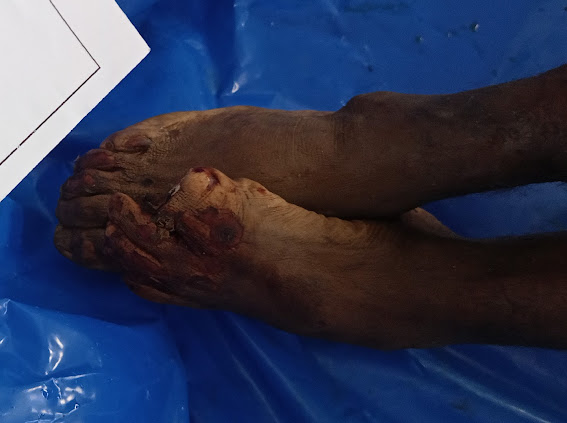
Signs of Severe Torture
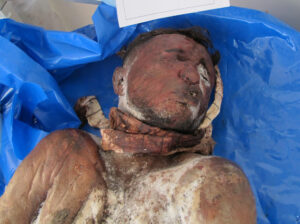
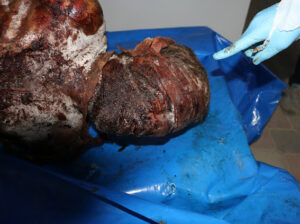
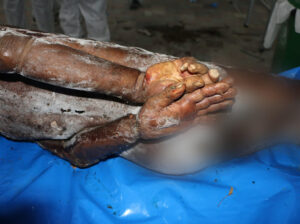
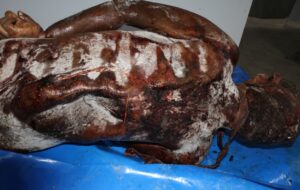
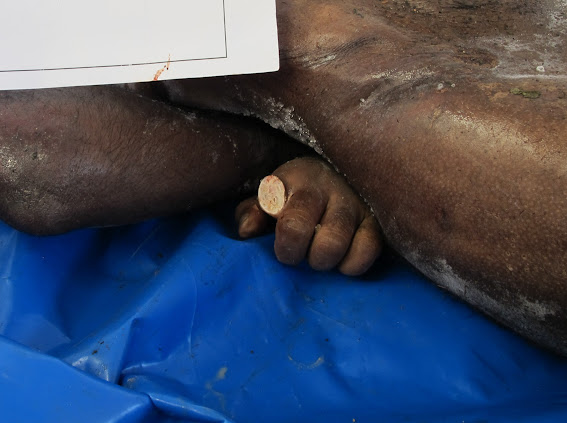
One thing is clear: the marks left on the bodies, along with the blindfolds and handcuffs still on some of them, indicate they were tortured before their deaths by Israeli forces.
Source: Palestinian Health Ministry
According to Gaza’s Government Media Office, the bodies, dozens of which have yet to be formally identified, showed “conclusive evidence of field executions and brutal torture”.
It said the bodies showed signs of:
Hanging and rope marks on the necks of several bodies
Direct gunfire at close range, “confirming deliberate field executions”
Hands and feet being bound with plastic restraints
Eyes being blindfolded
Being crushed under Israeli tank tracks
Fractures, burns and deep wounds, indicating “severe physical torture”
“We call for the urgent establishment of an independent international commission of inquiry to investigate these heinous crimes and to hold Israeli leaders accountable for the war crimes committed against our people in the Gaza Strip,” the Office said.
Dr. Ismail Al-Thawabta, Director General of the Government Media Office, said Israeli occupation forces stole organs from the bodies of Palestinian detainees returned to Gaza.
He said dozens of bodies delivered near the Nasser Medical Complex in Khan Younis were found mutilated and missing vital parts, including eyes, limbs, and internal organs.
“When we examined the bodies, we found that large parts were missing, there were half bodies, bodies without heads, without limbs, without eyes, and without internal organs.”
Source: Palestinian Health Ministry
Mohammed Zaqout, director of hospitals in Gaza’s Health Ministry, has spoken about the “clear signs of torture” found on the bodies of Palestinians that were returned to the Gaza Strip this week.
“One body shows signs of hanging with a rope still wrapped around the neck, blindfolds around the eyes and bound hands. That martyr was placed as is and sent to us,” Zaqout said from Khan Younis in southern Gaza.
Source: Palestinian Health Ministry
Dr. Munir Al-Bursh, Director General of the Ministry of Health in Gaza, said, “The bodies we received were bound like animals, blindfolded, and bore horrific signs of torture and burns that reveal the extent of the crimes committed in secret.”
“They did not die naturally; they were executed after being restrained. These people were not buried underground, they were kept in the occupation’s refrigerators for long months.”
Source: Palestinian Health Ministry
Sameh Hamad, part of a commission that received the bodies at Gaza’s Nasser Hospital in southern Gaza, said that one of the bodies even had a rope around his neck.
Naji Abbas, director of the prisoners and detainees department for Physicians for Human Rights Israel, said his organisation was “not surprised” at the condition of the bodies released.
“We have recorded hundreds of instances of torture and deaths in the Israeli prison system, dozens of Palestinians who have been killed, beaten to death, or have died after being refused treatment for months,” Abbas said.
One autopsy the organisation examined showed signs of violence on the body eight months after the person died, he added.
“These are documented cases of detainees’ bodies with clear signs of torture and of having been brutally restrained before death, and still it is not on every television and in every newspaper,” Abbas said.
Additionally, tank tracks were found on the bodies, suggesting that some may have been run over by Israeli vehicles on 7 October 2023.
Reports added that some of the deceased were recently killed, while others arrived in a decomposed state or as partial remains.
According to Ramu Abdu, head of the Euro-Med Human Rights Monitor, several bodies appeared to have been buried and later exhumed. “One martyr still had a saline drip attached to his hand, showing that medical efforts were made before his death.”
Only 488 Palestinians have crossed the Rafah border between Gaza and Egypt in both directions since Israel partially reopened it last week for limited traffic under heavy restrictions and monitoring, violating Trump’s so-called “ceasefire”.
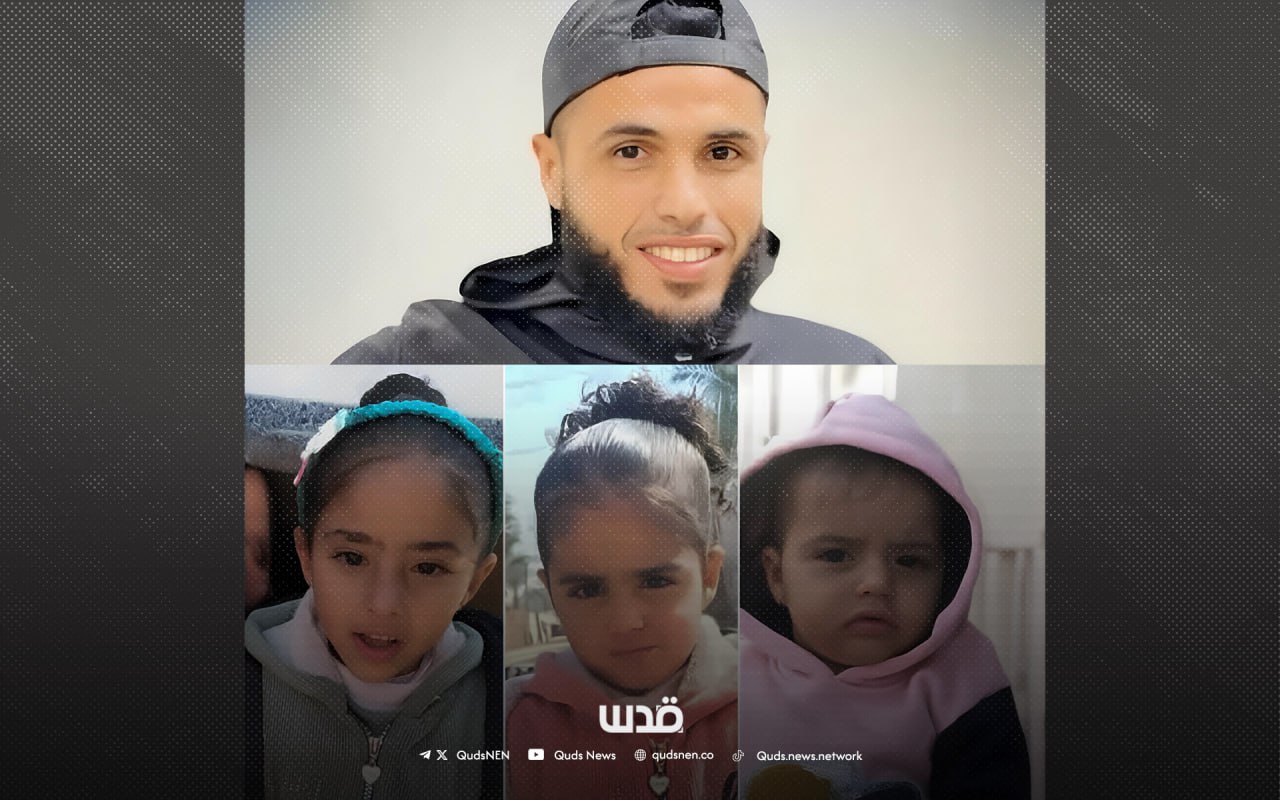
He buried his wife and three young daughters after an Israeli airstrike tore through their home in Gaza. Months later, the Israeli army accused him of leading ambushes that killed and wounded 14 soldiers in northern Gaza before targeting and killing him in a strike it described as “closing an important account.”
 He said dozens of bodies delivered near the Nasser Medical Complex in Khan Younis were found mutilated and missing vital parts, including eyes, limbs, and internal organs.
“When we examined the bodies, we found that large parts were missing, there were half bodies, bodies without heads, without limbs, without eyes, and without internal organs.”
He said dozens of bodies delivered near the Nasser Medical Complex in Khan Younis were found mutilated and missing vital parts, including eyes, limbs, and internal organs.
“When we examined the bodies, we found that large parts were missing, there were half bodies, bodies without heads, without limbs, without eyes, and without internal organs.”