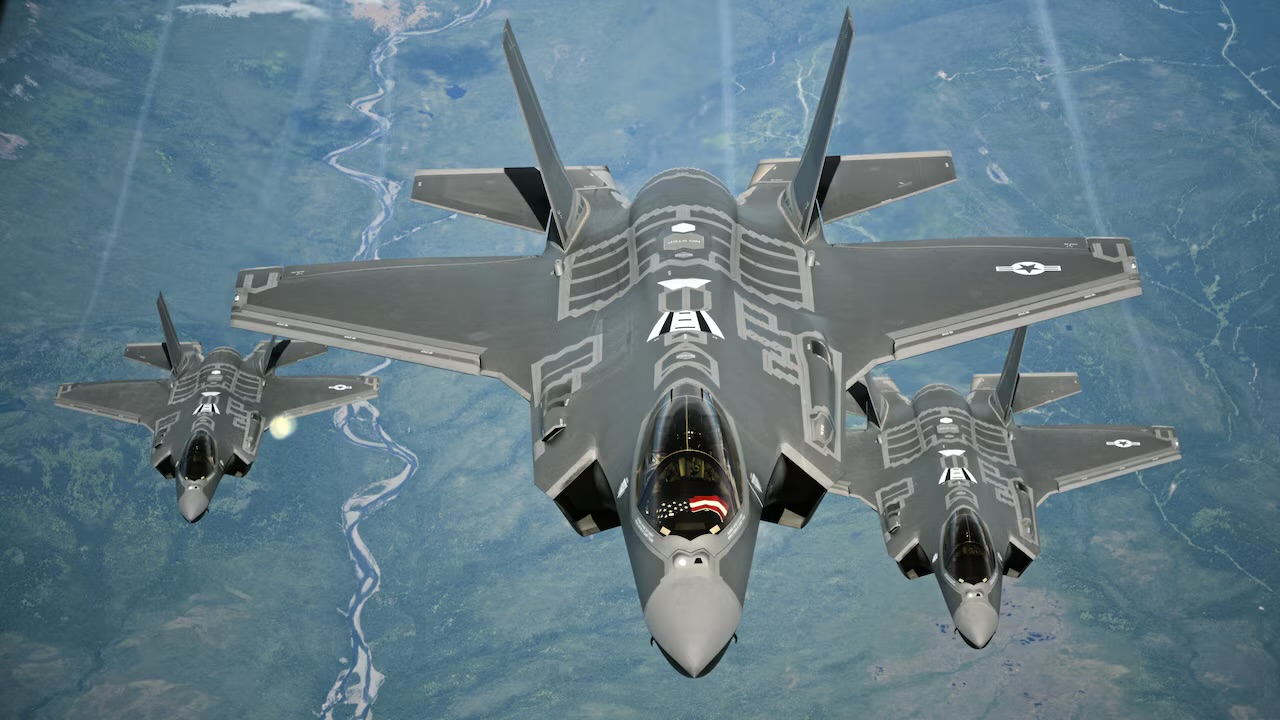
Houthi Missile Nearly Hits US F-35, Raising Doubts About American Air Superiority, Report
Sana’a (Quds News Network)- A Yemeni-fired missile nearly hit a US F-35 fighter jet, forcing the pilot to take evasive action, according to The National Interest.
The incident raised serious concerns about the jet’s survivability and the US military’s ability to carry out safe air operations—even against what many consider an unsophisticated opponent. The report further explains the context in which the US struck a deal with Yemen to stop mutual attacks.
The report, written by defense analyst Harrison Kass, asked: if what it described as a “backward rebel group” can disrupt US air missions this easily, how can the US operate against more advanced enemies?
Military analyst Gregory Brew posted on X that Houthi air defenses almost struck multiple American F-16s and one F-35. He added that the Houthis have already shot down seven MQ-9 Reaper drones, each worth $30 million. These losses have reportedly hindered U.S. Central Command’s ability to track and strike the group.
Yemen’s armed forces use a mix of improvised and conventional surface-to-air missiles (SAMs). These include infrared-guided missiles that offer little or no warning before impact. Some missiles are based on Iran’s “Taer” family and use electro-optical or radar tracking systems.
Despite being basic, Yemen’s systems are mobile and hard to detect. Their simplicity makes them surprisingly effective.
The War Zone reported that Yemen’s SAMs include repurposed air-to-air missiles and Iranian “Barq-1” and “Barq-2” missiles. The Houthis say these can hit targets as high as 65,000 feet and at ranges up to 44 miles.
The report warned that expensive, high-tech systems do not guarantee dominance. In fact, low-tech tools in the hands of determined fighters may be enough to degrade US air power.
In January alone, Israeli forces and settlers carried out 28 raids on Al-Aqsa Mosque and prevented the call to prayer 57 times at the Ibrahimi Mosque, an official report said.
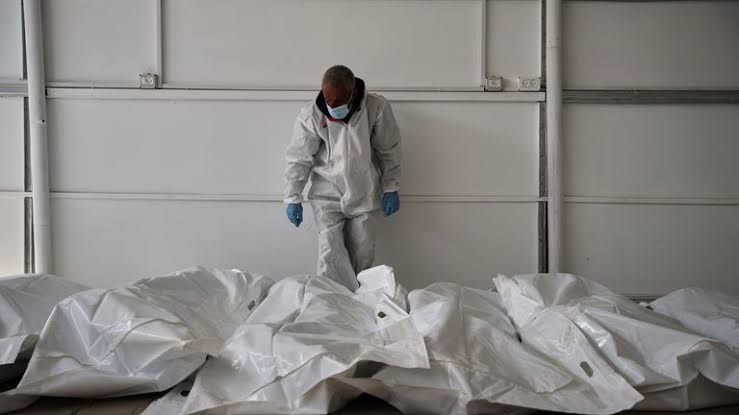
Israel is holding the bodies of around 777 identified Palestinians, including 88 detainees who died in Israeli prisons amid reports of torture and medical negligence, according to a Palestinian organization advocating for their release.
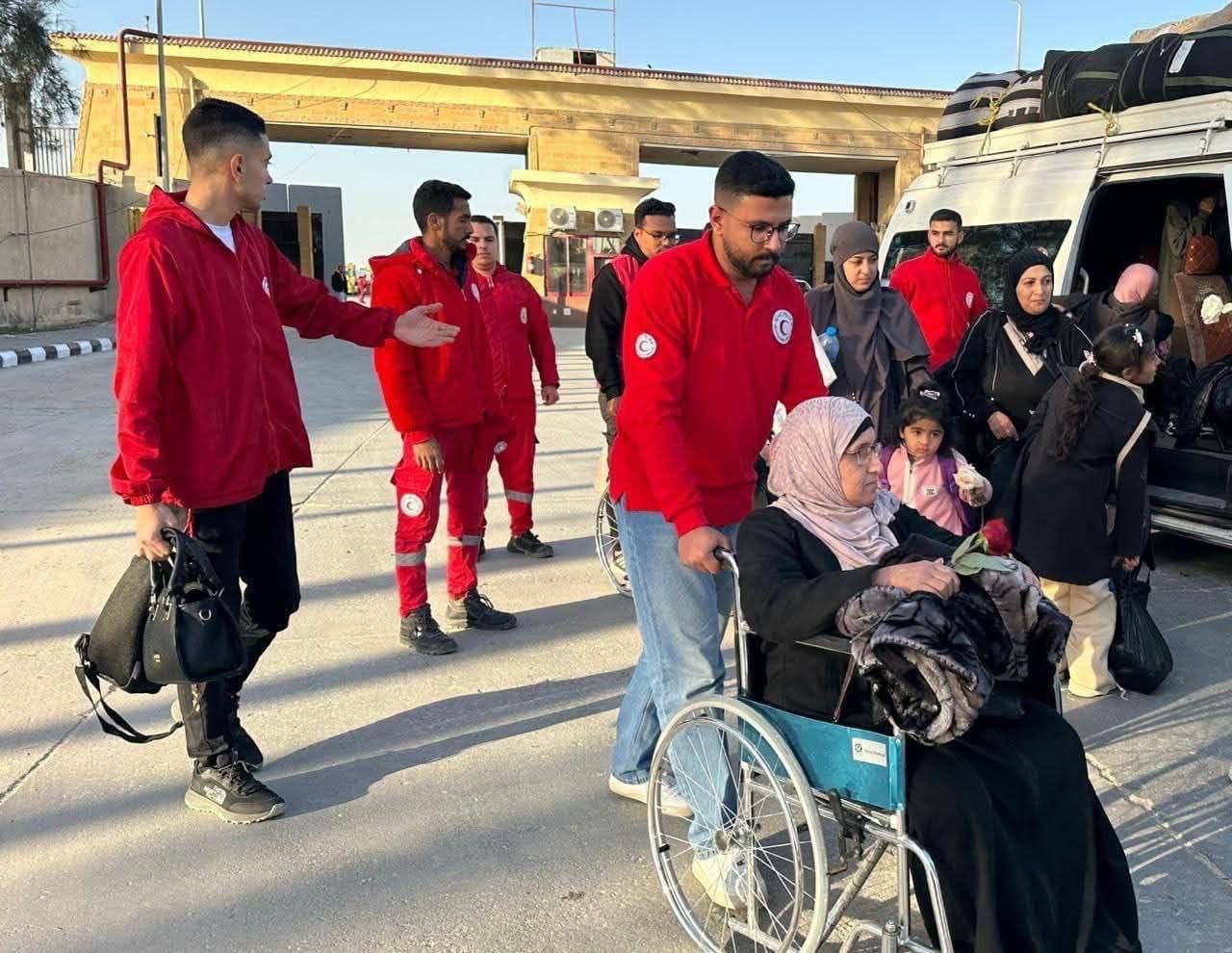
Only five of the 450 Palestinian patients in critical condition will be allowed to leave the Gaza Strip on Monday, after Israel reopened the Rafah Crossing between Gaza and Egypt for limited traffic following two years of genocide and nearly 20 months of closure.